High Porosity Hair: Care and Diet Solutions for Healthier Strands

High Porosity Hair: Care and Diet Solutions for Healthier Strands

Introduction Hair porosity refers to your hair’s ability to absorb and retain moisture. While some people struggle with low porosity hair that resists hydration, others deal with high porosity hair, a condition where moisture enters easily but escapes just as quickly. This leads to dryness, frizz, tangles, and breakage. But the good news? With the right haircare routine and nutrition strategy, you can significantly strengthen, smooth, and revive your strands. This guide covers everything you need to know—what high porosity hair means, why it happens, how to care for it, and how the right diet can naturally improve your hair’s structure. What Is High Porosity Hair? High porosity hair has gaps, cracks, or lifted cuticles that make it highly absorbent but poor at retaining moisture. Think of it like a sponge. Water enters fast, but also evaporates fast. How Hair Porosity Works The hair shaft has three layers: With high porosity hair, the cuticle is raised or damaged, making the hair vulnerable to dryness and breakage. Signs You Have High Porosity Hair If you’re unsure about your porosity level, look for these common indicators: 1. Hair Gets Wet Very Quickly High porosity strands soak up water almost instantly because of the open cuticles. 2. Hair Dries Very Fast Even after conditioning, your hair may feel dry again within hours. 3. Constant Frizz and Flyaways Lifted cuticles cause moisture imbalance and friction. 4. Hair Breaks Easily Weak internal structure leads to split ends and breakage. 5. Struggles to Hold Moisture or Styles Products may disappear quickly or require frequent reapplication. Causes of High Porosity Hair Genetics Some individuals naturally have more porous hair, especially those with naturally curly or coily textures. Heat Damage Flat irons, curling wands, and blow dryers can weaken the cuticle. Chemical Treatments Bleaching, colouring, relaxing, and perms greatly increase porosity. Environmental Factors Sun exposure, chlorine, pollution, and harsh shampoos raise porosity over time. Mechanical Damage Excessive brushing, tight hairstyles, or rough towel-drying can harm the cuticle. How to Care for High Porosity Hair Hydrate and Seal The goal is to add moisture and lock it in. Recommended Ingredients Best Haircare Routine for High Porosity Hair 1. Use Sulfate-Free Shampoos Harsh detergents strip moisture. Look for mild, moisturising formulas. 2. Deep Condition Weekly Choose masks with: 3. Try the LCO Method For high porosity hair, this is often more effective than LOC: 4. Use Protein Treatments (but not too often) High porosity hair needs protein to rebuild its structure, but overuse can make it stiff. Use every 3–4 weeks, depending on your hair’s response. 5. Reduce Heat Styling Limit flat irons, curling wands, and high-heat blow drying. 6. Rinse with Cold Water It helps close cuticles after washing. 7. Protect Hair at Night Use: Natural Remedies for High Porosity Hair Aloe Vera Gel Balances pH and adds hydration. Rice Water Strengthens the hair shaft through amino acids. Avocado Hair Masks Rich in fatty acids that help fill porous gaps. Apple Cider Vinegar Rinse Helps smooth the cuticles. Diet to Make Hair Healthier Healthy hair starts from within. A nourishing diet can strengthen your hair’s cortex, improve elasticity, and support new growth that’s naturally less porous. Below is the best dietary strategy for managing and improving hair. How Diet Impacts Hair Porosity High porosity hair often lacks: A strong diet can help your new hair growth become smoother, stronger, and less prone to moisture loss. Best Foods to Improve High Porosity Hair 1. Protein-Rich Foods Hair is made of keratin, a protein.Include: Protein helps build stronger cuticles and reduce breakage. 2. Omega-3 Fatty Acids Omega-3s nourish the scalp and enhance shine.Include: These fats help soften and moisturise fragile strands. 3. Iron-Rich Foods Low iron affects hair strength and thickness.Include: 4. Vitamin A Foods Supports sebum production—a natural moisturiser.Include: 5. Vitamin C Foods Boosts collagen and aids iron absorption.Include: 6. Biotin and B-Vitamin Foods Promote hair thickness and healthy growth.Include: 7. Zinc-Rich Foods Strengthens roots and prevents hair fall.Include: 7-Day Meal Plan for Healthier Hair A simple, balanced, hair-strengthening plan. Day 1 Breakfast: Greek yogurt + honey + almondsLunch: Grilled chicken + quinoa + steamed spinachDinner: Salmon + brown rice + broccoliSnack: Orange slices Day 2 Breakfast: Oatmeal with chia seedsLunch: Lentil soup + whole-grain breadDinner: Stir-fry beef + mixed vegetablesSnack: Walnuts Day 3 Breakfast: Scrambled eggs + avocadoLunch: Tuna salad with olive oilDinner: Baked sweet potato + chicken breastSnack: Apple Day 4 Breakfast: Smoothie (banana + spinach + flaxseeds)Lunch: Chickpea saladDinner: Grilled fish + sautéed zucchiniSnack: Pumpkin seeds Day 5 Breakfast: Boiled eggs + multigrain toastLunch: Turkey sandwich + carrot sticksDinner: Lentils + brown riceSnack: Berries Day 6 Breakfast: Yoghurt bowl with chia + blueberriesLunch: Spinach and goat cheese wrapDinner: Baked chicken + roasted vegetablesSnack: Almonds Day 7 Breakfast: Protein smoothie with wheyLunch: Salmon salad with olive oilDinner: Quinoa + beans + stir-fried greensSnack: Kiwi Dietary Tips for High Porosity Hair Daily Recommendations FAQs 1. Can high porosity hair become low porosity again? Not completely, but you can improve its strength, moisture retention, and smoothness with proper care. 2. Is high porosity hair genetic? Yes, some people naturally have porous hair, especially curly hair types. 3. How often should I deep condition high porosity hair? At least once a week for best results. 5. Can diet really help with high porosity hair? Yes! A nutrient-rich diet strengthens hair from the inside, making new growth smoother and less porous. Conclusion Managing high porosity hair becomes much easier once you understand what your hair needs: moisture, protein balance, gentle care, and a nutrient-rich diet. While topical treatments repair current damage, diet and lifestyle strengthen future hair growth, making your strands.

Read More
 Castor Oil in Belly Button: A Traditional Ayurvedic Remedy

Castor Oil in Belly Button: A Traditional Ayurvedic Remedy

Introduction For generations, people around the world have used natural oils for healing and wellness. Among them, castor oil in belly button is one of the most beneficial home remedies. Although much of the practice comes from Ayurvedic and folk medicine, modern scientific research does offer clues as to why applying castor oil to the navel may have certain effects. However, this article will be interesting when we understand the relationship between science and this traditional remedy of our elders. What Is Castor Oil? Castor oil comes from the seeds of the Ricinus communis plant. It is rich in ricinoleic acid, a rare fatty acid with proven anti-inflammatory, antimicrobial, and moisturising properties. Numerous studies have confirmed that ricinoleic acid can influence inflammatory pathways, nerve receptors, and even certain hormonal responses in the body. What is Navel Therapy? Navel therapy, also known as belly button healing or nabhi chikitsa in Ayurvedic medicine, is a healing practice performed on the navel area. It is like giving your belly button a spa day, but it also has many effective health benefits.  Why the Belly Button Matters: The Science Behind Navel Absorption Before exploring the benefits, it’s essential to understand why people apply castor oil in belly button specifically. 1. The Belly Button Contains Nerve Endings and Lymphatic Connections Your navel area is surrounded by: These structures may support transdermal absorption—meaning the skin absorbs active compounds from the oil. 2. Ayurvedic Perspective: The Navel as the “Pechoti Point” Ayurveda teaches that the “Pechoti gland” exists behind the navel, containing over 72,000 veins. While modern science has not validated a specific gland, the region does contain significant neurovascular structures. This may partially explain why applying oils to the area feels calming or soothing. 3. Transdermal Delivery Science Multiple studies have shown that oils rich in fatty acids can penetrate the skin barrier more effectively than water-based substances. Castor oil’s viscosity and unique chemical structure allow it to: Benefits of Applying Castor Oil in Belly Button 1. Digestive Support Castor oil is known for its natural laxative effects when consumed, but applying it externally may also support digestive comfort. Potential benefits may include: Ricinoleic acid interacts with EP3 prostaglandin receptors in the intestines, which may help stimulate smoother bowel movements. 2. Improved Skin Hydration and Glow Many people report softer, healthier skin after regular use. Why it works: 3. Support for Menstrual Discomfort Applying castor oil to the belly button may help ease: Studies show ricinoleic acid can influence smooth muscle relaxation, which may explain the soothing effect. 4. Better Sleep and Relaxation Some users describe a calming feeling after applying castor oil, possibly due to: Although scientific proof is limited, many report improved sleep quality. 5. Natural Detox Support Castor oil packs have long been used to support liver and lymphatic detoxification. Applying castor oil to the navel may offer mild similar effects by stimulating blood and lymphatic circulation. How to Apply Castor Oil in Belly Button Step-by-Step Instructions Best Time to Apply Choosing the Right Castor Oil Look for: Scientific Evidence Supporting Castor Oil Benefits Here are some authentic research-based findings: 1. Anti-Inflammatory Effects Ricinoleic acid has been shown to reduce inflammation through prostaglandin E2 receptor pathways. 2. Antimicrobial Properties Castor oil demonstrates antimicrobial activity against certain bacteria and fungi, which supports its use on skin surfaces. 3. Enhanced Transdermal Delivery Studies show castor oil increases skin permeability, allowing deeper penetration of its compounds. 4. Lymphatic Stimulation Research on castor oil packs shows improved lymphatic drainage and reduced swelling. While not all findings are specific to the belly button application, they help explain the possible mechanisms behind the practice. Precautions of Castor Oil in Belly Button Using castor oil in the navel is generally safe, but keep these points in mind: FAQs 1. Can castor oil in belly button really improve digestion? It may support digestion due to ricinoleic acid’s effects and belly-area nerve stimulation, but results vary from person to person. 2. Is it safe to apply castor oil every night? Yes, most people tolerate nightly application well, but sensitive skin users should start with 2–3 times a week. 3. Can castor oil lighten dark spots around the belly? Castor oil may improve pigmentation because it supports skin regeneration and hydration. 4. Does applying castor oil in belly button help with fertility? There is no strong scientific proof, though traditional medicine suggests improved circulation and hormonal balance may support reproductive health. 5. Should I use warm or cold castor oil? Room-temperature castor oil is fine, but slightly warm oil absorbs faster. Conclusion The practice of applying castor oil in belly button blends traditional wisdom with emerging scientific insights. Castor oil has anti-inflammatory, moisturising, and potentially digestive-supporting properties, which make it best for our skin. With proper application and realistic expectations, castor oil can be a valuable addition to your wellness routine. When you use it consistently, you may experience improved digestion, clearer skin, proper hydration, better relaxation, and overall balance.

Read More
 The Nutritional Science Behind Pumpkin Seeds in Shell

The Nutritional Science Behind Pumpkin Seeds in Shell

Introduction Pumpkin seeds are a superfood, but their whole form — pumpkin seeds in shell — is more nutritionally rich. These crunchy seeds are rich in bioactive compounds, essential minerals, dietary fibre, and antioxidants, all of which contribute to overall health. Scientific research has focused on pumpkin seeds (from Cucurbita pepo, Cucurbita maxima, and other species) for their potential to promote cardiovascular, metabolic, and immune health. When consumed with their shells, the nutritional and functional benefits are even greater. What Are Pumpkin Seeds in Shell? Pumpkin seeds in shell are whole seeds harvested from pumpkins, retaining their white, fibrous outer coating (the hull). Inside the shell lies the green kernel, known as a pepita, which is the part most commonly consumed when dehulled. Unlike shelled seeds, pumpkin seeds in the shell are less processed, preserving their natural nutrients and dietary fibre. This makes them an ideal snack for those seeking a balance between taste, texture, and science-based nutrition. Scientific Nutritional Composition of Pumpkin Seeds in Shell Macronutrient Profile (per 1 ounce / 28 g serving, roasted) Key Micronutrients Phytochemicals and Bioactive Compounds Health Benefits of Pumpkin Seeds in Shell by Science 1. Heart Health and Cholesterol Regulation Pumpkin seeds are a rich source of magnesium, omega-6 fatty acids, and phytosterols, all of which play crucial roles in cardiovascular health. When consumed with the shell, the added dietary fibre can further reduce cholesterol absorption in the gut. 2. Digestive Health and Gut Function The fibrous hull of pumpkin seeds in shell acts as a natural prebiotic, feeding beneficial gut bacteria and improving intestinal motility. 3. Immune System Support Zinc and iron are both essential for immune cell production and function. 4. Antioxidant and Anti-Inflammatory Effects Pumpkin seeds are rich in vitamin E, phenolic compounds, and flavonoids, all of which neutralise free radicals and reduce oxidative stress — a major contributor to chronic diseases. 5. Improved Sleep and Mood Regulation The amino acid tryptophan found in pumpkin seeds helps the body produce serotonin and melatonin, both essential for mood balance and sleep. Thus, eating a handful of roasted pumpkin seeds in shells before bed may promote better rest. How to Eat Pumpkin Seeds in Shell Step-by-Step Preparation Pro Tip Roasting enhances the bioavailability of antioxidants by releasing bound phenolic compounds. However, over-roasting (above 200°C) can degrade beneficial fats. Storage and Shelf Life To preserve the nutritional quality and freshness of pumpkin seeds in the shell: How to Add Pumpkin Seeds in Shell to Your Diet 1. As a Snack The simplest way to enjoy pumpkin seeds in shells is as a roasted snack. Scientific Tip: Roasted seeds retain most of their nutrients when baked at 175°C (350°F) or lower to avoid degradation of healthy fats. 2. In Breakfast Foods Overnight Oats or Porridge Smoothie Bowls Granola Mix 3. In Salads Green and Grain Salads Example Recipe:Pumpkin Seed Power Salad Nutritional Note: Magnesium and healthy fats in pumpkin seeds help the body absorb fat-soluble vitamins (A, D, E, K) from salad greens. 4. In Baking and Cooking Breads, Muffins, and Energy Bars Rice and Grain Dishes 5. In Soups and Savoury Dishes Soup Garnish Tacos and Stir-Fries Curries and Stews 6. In Desserts and Sweets Chocolate Bark Pumpkin Seed Brittle 7. In Smoothies and Protein Shakes (Ground Form) Although the shell is edible, blending whole seeds might make the texture gritty. Scientific Fact: Blending or grinding seeds improves nutrient absorption, especially zinc, magnesium, and iron, by reducing the effect of natural anti-nutrients like phytic acid. 8. Cultural and Traditional Uses Mexican “Pipian” Sauce In traditional Mexican cuisine, pumpkin seeds (with or without shells) are used in Pipian Verde or Pipian Rojo creamy sauces made with ground pumpkin seeds, chilli, and herbs. Turkish Snacks In Turkey, roasted pumpkin seeds in shell are a popular street snack, often enjoyed plain or lightly salted, known as “Kabak Çekirdeği.” 9. In Homemade Trail Mixes Create your own high-protein trail mix with: This mix offers a balance of healthy fats, protein, and antioxidants, making it perfect for travel or post-workout recovery. 10. As a Crunchy Coating or Crust Crush roasted pumpkin seeds in the shell and use them as a coating for: The outer shell adds fibre and keeps the coating crispy even after baking. FAQs 1. Are pumpkin seeds in the shell harder to digest? Yes, slightly — but this is because of the insoluble fibre in the shell, which supports digestive health. People with gastrointestinal sensitivities may prefer shelled seeds (pepitas). 2. What is the price of 1kg of pumpkin seeds in Pakistan? 1kg of Pumpkin seeds costs 2200 PKR in Pakistan, and 1/2kg costs 1100PKR. 3. Can pumpkin seeds help with prostate health? Studies published in the International Journal of Urology suggest pumpkin seed extract can reduce symptoms of benign prostatic hyperplasia (BPH) due to its phytosterol content. 4. Do they help regulate blood sugar? Yes. The magnesium and protein in pumpkin seeds contribute to improved insulin sensitivity and blood glucose control. 5. Can I eat pumpkin seeds daily? Absolutely. A serving of about 1–1.5 ounces (30–40 grams) daily provides balanced nutrition without excessive calories. Conclusion From a scientific perspective, pumpkin seeds in shell are far more than a seasonal snack; they are a compact source of bioactive nutrients, antioxidants, and fibre that support multiple aspects of human health. Research shows that their consumption can promote heart health, improve sleep, boost immunity, and enhance digestive wellness. Whether you enjoy them roasted, salted, or spiced, these seeds offer both culinary satisfaction and scientifically proven benefits. Adding pumpkin seeds in shells to your diet is a simple yet powerful step for better health.

Read More
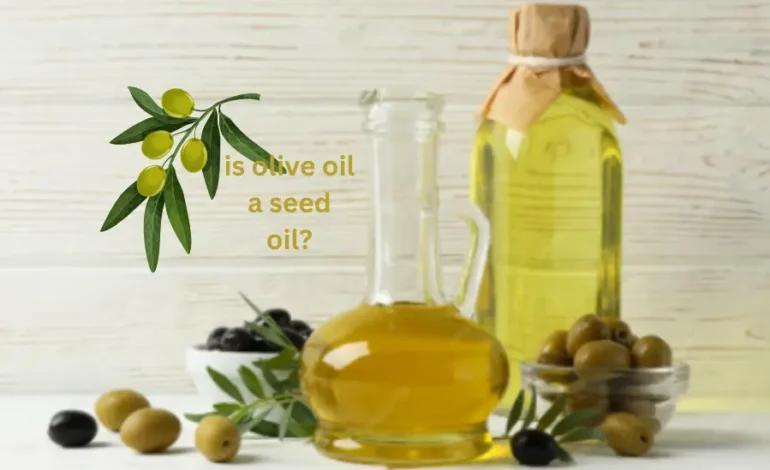
 Is Olive Oil a Seed Oil? The Truth About This Golden Liquid

Is Olive Oil a Seed Oil? The Truth About This Golden Liquid

Introduction Olive oil is a staple of the Mediterranean diet, praised for its rich flavour and numerous health benefits. But there is always a misunderstanding and misconception in our mind — is olive oil a seed oil? This simple question has caused plenty of confusion, especially as people aim to make healthier choices. Today, we will clarify what defines a seed oil, explain how olive oil is produced. Also, why it stands out as one of the healthiest oils available today. What Are Seed Oils? Before answering whether olive oil is a seed oil, it’s important to understand what seed oils actually are. Common Examples of Seed Oils Seed oils are extracted from the seeds of plants through industrial processes. It is processed through high heat and chemical solvents. Some of the most common examples are Soybean oil, Corn oil, Canola oil, Sunflower oil(from rapeseed), and Grapeseed oil. These seeds’ oil is used in salad dressing, processed food and also in snacks. How Are Seed Oils Produced? Seed oils typically undergo several steps: This refining process often strips away natural nutrients and may generate harmful compounds like trans fats or oxidation byproducts. Is Olive Oil a Seed Oil? Here is the straightforward answer — no, olive oil is not a seed oil. Olive oil is classified as a fruit oil because it’s extracted from the flesh of the olive fruit, not its seed. While seed oils come from plant seeds, olive oil comes from pressing the whole fruit of the olive tree (Olea europaea). That’s a significant difference both nutritionally and chemically. Evidence shows that olive oil improves biomarkers of inflammation and vascular health — something less clearly found for many refined seed oils. PubMed+1 Evidence that olive oil is not a seed oil Why Olive Oil Is Different Olive oil is gently extracted, and its nutrients are not destroyed. It has a natural flavour, which is why extra virgin olive oil (EVOO) is often considered the highest quality and healthiest option. How Olive Oil Is Made The process of making olive oil focuses on purity and preservation. Steps in Olive Oil Production This minimal processing helps retain olive oil’s natural antioxidants, vitamins (especially vitamin E), and distinctive flavour. Olive Oil vs. Seed Oils: Nutritional Comparison Feature Olive Oil Typical Seed Oils Source Olive fruit Seeds (soy, corn, sunflower, etc.) Extraction Cold-pressed, natural Often chemically refined Main Fat Type Monounsaturated fats Polyunsaturated fats (omega-6) Antioxidants High (polyphenols, vitamin E) Very low Smoke Point Medium (~375°F / 190°C) Varies (350–450°F) Health Benefits Supports heart and brain health Excess omega-6 may promote inflammation Olive oil is rich in heart-protective monounsaturated fats; most seed oils contain high amounts of omega-6 fatty acids, which, when consumed in excess, may help to cause inflammation. Health Benefits of Olive Oil Olive oil, especially extra virgin olive oil, offers numerous science-backed health benefits. 1. Supports Heart Health Studies show that olive oil helps reduce LDL (bad cholesterol) and raise HDL (good cholesterol), lowering the risk of heart disease. For example, in a large Mediterranean-population trial, people with higher olive oil intake had a significantly lower risk of cardiovascular disease and death. BioMed Central” A systematic review found that consumption of virgin or extra-virgin olive oil improved biomarkers of cardiovascular risk (inflammation, oxidative stress, endothelial function) and was associated with fewer cardiovascular events. PubMed+1 An umbrella review of many meta-analyses found that olive oil consumption was associated with lower risk of cardiovascular disease, certain cancers, diabetes and overall mortality. PubMed 2. Contains Powerful Antioxidants Polyphenols and vitamin E help overcome oxidative stress and inflammation, key contributors to ageing and chronic diseases. A meta-analysis of randomized controlled trials found that regular dietary intake of olive oil reduced inflammatory markers such as C-reactive protein, interleukin-6 and TNF-α. PubMed 3. Promotes Brain Function Healthy fats in olive oil support cognitive function and may reduce the risk of neurodegenerative diseases like Alzheimer’s. 4. Helps Manage Weight Replacing butter or processed oils with olive oil may support weight management and metabolic health. 5. Aids Digestion and Gut Health Olive oil stimulates bile production and supports healthy gut bacteria, improving digestion naturally. Myths About Olive Oil Let’s debunk a few common myths related to olive oil. Myth 1: Olive Oil Is a Seed Oil As clarified earlier, olive oil is not a seed oil. It comes from fruit, not seeds. Myth 2: Olive Oil Isn’t Safe for Cooking While extra virgin olive oil has a moderate smoke point, it’s perfectly safe for sautéing, roasting, and even baking. In fact, its antioxidants make it more stable than many refined oils. Myth 3: All Olive Oils Are the Same They are not. Extra virgin olive oil is the least processed and healthiest type. Avoid “light” or “refined” olive oils, as they undergo chemical processing similar to seed oils. FAQs 1. Is olive oil a vegetable oil? Yes, olive oil is a vegetable oil. Because it is extracted from the flesh of the olive fruit (plant). 2. Is olive oil healthier than seed oils? Yes, olive oil contains monounsaturated fats and antioxidants, which support heart and brain health. Most seed oils are high in omega-6 fats, which can promote inflammation when consumed excessively. 3. Can I cook with olive oil? Yes, extra virgin olive oil is safe for cooking and retains its nutrients up to moderate temperatures. 4. What is the best type of olive oil to use? Choose extra virgin olive oil (EVOO). It is cold-pressed, unrefined, and contains the highest levels of antioxidants and flavour. 5. Does olive oil go bad? Yes, olive oil can oxidise over time. Store it in a cool, dark place and use it within 12–18 months of opening. Conclusion So, is olive oil a seed oil? Absolutely not. Olive oil is a fruit oil, extracted naturally from the flesh of the olive fruit, not from the seeds. Seeds oil requires chemical processing. Olive oil is cold-pressed. It is rich in heart-healthy monounsaturated fats, antioxidants, and anti-inflammatory compounds. Add extra

Read More
 The Best Bridal Diet and Fitness Plan In 2025

The Best Bridal Diet and Fitness Plan In 2025

Introduction Every bride dreams of looking her best on her wedding day. From glowing skin to a toned figure. She wants to be perfect on her special day. However, the secret to bridal beauty goes beyond makeup and dress fittings — it begins with a healthy lifestyle. A personalised bridal diet and fitness plan not only helps you shed excess weight but also boosts your energy, improves skin health, and enhances your overall confidence. Whether you have six months or just a few weeks before the big day, this guide will help you achieve your dream body goals. Why a Bridal Diet and Fitness Plan Matters Planning a wedding is exciting but also stressful. Between cake tastings, fittings, and guest lists, it’s easy to neglect your health. Following a dedicated bridal diet and fitness plan ensures that your physical and mental well-being stay in balance. Key Benefits: Step-by-Step Bridal Diet Plan 1. Focus on Whole, Nutrient-Dense Foods Opt for fresh fruits, vegetables, lean proteins, whole grains, and healthy fats. Avoid processed and sugary foods that can cause bloating and fatigue. Bridal Superfoods: 2. Stay Hydrated Water helps flush out toxins, keeps your skin clear, and prevents bloating. Aim for at least 8–10 glasses daily. You can also add lemon, mint, or cucumber for flavour and detox benefits. 3. Smart Portion Control Avoid crash dieting — it can leave you feeling weak and irritable. Instead, practice portion control by using smaller plates and eating slowly. 4. Avoid Sodium and Sugar Excessive sodium intake can lead to water retention, resulting in puffiness and bloating. Refined sugars contribute to dull skin and weight gain. 5. Sample One-Day Bridal Meal Plan Meal Menu Calories (approx.) Breakfast Oatmeal with berries and chia seeds 300 kcal Snack Handful of almonds or 1 apple 100 kcal Lunch Grilled chicken salad with veggies and olive oil dressing 400 kcal Snack Greek yogurt with honey 150 kcal Dinner Steamed fish with quinoa and vegetables 450 kcal Total: ~1400 kcal (adjust based on activity level and goals). Note: Take 1 glass of water before every meal this keep your feeling of fulness also keep you hydrated. for healthy and beautiful skin hydration is must. Fitness Plan for Every Bride 1. Set Realistic Goals Determine what you want to achieve — whether it’s weight loss, toning, or building endurance. Create weekly targets that are measurable and achievable. 2. Combine Cardio and Strength Training Cardio burns fat while strength training tones muscles, giving you a sculpted and firm physique. Sample Weekly Workout Plan: 3. Don’t Forget Core Workouts A strong core not only improves posture but also helps you carry your wedding gown with elegance. Include planks, crunches, and leg raises in your routine. 4. Stay Consistent It’s not about perfection; it’s about progress. Consistency and dedication are key to achieving visible results before your wedding day. Grooming and Beauty Tips for Every Bride You’ve worked hard to stay fit and eat right. Now it’s time to enhance your natural beauty with some grooming and skincare magic. 1. Follow a Consistent Skincare Routine 2. Care for Your Hair 3. Maintain Oral Hygiene A beautiful smile completes your bridal look. Brush and floss daily, and consider a professional whitening treatment a few weeks before your big day. 4. Get Regular Manicures and Pedicures Soft hands and neat nails are a must for those close-up ring shots. Choose a neutral polish that complements your wedding outfit. 5. Shape Your Brows and Lashes Defined brows and voluminous lashes can elevate your facial features. Consider threading or waxing a week before your wedding to avoid redness or irritation. 6. Sleep and Relaxation Beauty sleep is real — aim for 7–8 hours nightly. Try lavender oil, chamomile tea, or meditation to unwind before bed. 7. Choose Simple, Natural Makeup for Pre-Wedding Events Keep your pre-wedding look fresh and minimal to let your skin breathe before the main ceremony. Mind and Body Wellness for Brides 1. Get Enough Sleep Lack of sleep can lead to dark circles, weight gain, and stress. Aim for 7–8 hours of quality rest each night. 2. Practice Stress Relief Techniques Wedding planning can be overwhelming. Try meditation, deep breathing, journaling, or aromatherapy to stay calm and focused. 3. Avoid Last-Minute Drastic Changes Don’t experiment with new diets or skincare routines right before the big day — your body needs stability. Bridal Fitness Timeline Time Before Wedding Focus 6 Months Begin consistent diet and workout plan 3 Months Increase workout intensity, refine meal plan 1 Month Focus on maintenance and hydration 1 Week Light workouts, plenty of rest, balanced meals FAQs 1. When should I start my bridal diet and fitness plan? Ideally, start at least 3 to 6 months before your wedding to allow gradual, sustainable results. 2. Can I lose weight safely before my wedding? Yes, aim for 0.5–1 kg per week through a balanced diet and exercise rather than extreme calorie restriction. 3. What foods should I avoid before my wedding? Avoid salty snacks, sugary desserts, alcohol, and processed foods that cause bloating or fatigue. 4. How can I stay motivated during the plan? Track your progress, celebrate small wins, and visualise yourself feeling confident in your dress. 5. Should I hire a dietitian or trainer? If possible, yes. A professional can personalise your plan and help you stay accountable. 6. How can I make my skin glow naturally before my wedding? Eat antioxidant-rich foods, drink plenty of water, and use natural face masks like honey and turmeric twice a week. Conclusion Your wedding day marks one of the most beautiful moments of your life, and you deserve to feel strong, confident, and radiant. A thoughtful bridal diet and fitness plan, combined with proper grooming and skincare, can transform not only your body but also your overall well-being. By eating healthy and nutritious foods, exercising smartly, pampering your skin, and managing stress, you will step into your big day feeling like the best version of yourself. This time will not

Read More
 7 Days The Best Diet Plan on Zepbound

7 Days The Best Diet Plan on Zepbound

Introduction If you’ve been wondering about how to lose weight instantly without any side effects, and you can’t reduce your eating habits, then Zepbound is the best option for you. The best diet plan on Zepbound(tirzepatide) will guide you on how to eat for optimal results, what to avoid, and the possible side effects you should be aware of. Zepbound is a prescription medication recently approved for weight management. It is quickly becoming a popular choice for individuals seeking long-term and instant results. While the drug effectively reduces appetite and helps regulate blood sugar, pairing it with the right diet is crucial. Zepbound is a class of drug known as a dual glucose-dependent insulinotropic polypeptide (GIP) and glucagon-like peptide-1 (GLP-1) receptor agonist. FDA approves it. GLP-1 RA works by reducing our appetite, increasing satiety and delaying the gastric emptying. Zepbound activates the hormones GIP and GLP-1, which control the movement of food throughout the gut, hence you feel a feeling of fullness. GLP-1RA reduce the caloric intake by 35 to 45%. Which means it reduces the macro and micro nutrient intake also. For active weight loss, meeting protein intake according to the RDA is important. Why Diet Matters with Zepbound By using Zepbound medication, people lose weight instantly. So preserving lean muscle mass is challenging for patients. Preserving lean mass is important because it’s metabolically active. It also supports muscle and bone health. Long-term weight loss success depends on energy expenditure. So, a high-protein meal plan helps to reduce adipose tissue and weight loss. High-protein meals increase energy expenditure, hence they feel satiety. According to RDA, the protein requirement is 0.8 grams of protein for each kilogram of body weight. A balanced diet ensures: What Is the Best Diet Plan on Zepbound? The best diet plan on Zepbound/Mounjaro focuses on nutrient-dense foods in moderate portions. Scientifically formulated meal replacement is the best option. It included low-calorie, nutrient-fortified products like shakes, bars, or soups that replace one or more regular meals. MRs are easy to digest and a nutritionally healthy option. Because liquids pass out easily and reduce the side effects of GLP-1(e.g nausea, vomiting). Core Principles of the Best Diet Plan on Zepbound 1. Prioritise Lean Protein Protein should be the foundation of every meal. It keeps you full longer and prevents muscle loss during weight reduction. It should be at least 10% to 35% of your daily caloric intake. 2. Eat More Fibre Fibre promotes digestive health. Also, fibre improves gut motility, so it reduces constipation. which some Zepbound users may experience. 3. Choose Healthy Fats Fat supports hormone health and can help keep you satisfied. 4. Include Whole Grains & Slow-Digesting Carbs Carbohydrates aren’t the enemy, but refined ones should be avoided. Choose complex carbs to stabilise blood sugar. 5. Stay Hydrated Dehydration is a common side effect of appetite-suppressing drugs. Aim for 8–10 glasses of water daily. Foods to Avoid on Zepbound While no food is completely “off-limits,” certain foods can worsen side effects or slow progress: Possible Side Effects of Zepbound and the Role of Diet Like most weight loss medications, Zepbound can come with side effects. But this is the best diet plan on Zepbound to overcome these side effects. 1. Nausea and Indigestion 2. Constipation 3. Low Energy or Fatigue 4. Nutrient Deficiencies 5. Bloating or Gas Sample for the Best Diet Plan on Zepbound This is a meal plan of about ( 1200-1300kcal), which includes high protein, high fibre, low fat(added healthy fats), and moderate carbs. Here is the 7-day meal plan on Zepbound. Day-1 Day-2 Day-3 Day-4 Day-5 Day-6 Day-7 Tips for Success on the Best Diet on Zepbound FAQs Can I eat carbs on Zepbound? Yes, but stick to complex carbs like oats, sweet potatoes, and quinoa for steady energy. Do I need to avoid fat while on Zepbound? No, healthy fats are essential. Just avoid excessive fried or greasy foods that can worsen nausea. How much does Zepbound cost? Its cost depends on dose and drug insurance plan, but the average cost is 1,086.37 dollars per fill. Can I skip meals since Zepbound suppresses appetite? It’s better not to skip meals completely. Even if portions are small, your body still needs nutrients. Is Zepbound the same as Ozempic? No, Zepbound is for weight loss, and Ozempic is for diabetic patients. Conclusion It is important to know the best diet plan on Zepbound if you want to get better results. Zepbound is one of those medications which are approved by the FDA. So it is highly recommended for those who can’t lose weight by controlling their eating pattern. Since the medication reduces appetite, every bite should provide value — from lean protein and high-fibre vegetables to healthy fats and whole grains. By adjusting your diet to minimise nausea, constipation, or fatigue, you can maximise Zepbound’s benefits.

Read More
 The Best Chicken Soup Recipe for Sick Child

The Best Chicken Soup Recipe for Sick Child

Introduction When your child is feeling unwell, all you want is to comfort them and help them recover quickly. The chicken soup recipe for a sick child, which has been passed down from generation to generation and remains very popular in each era, is the best option for recovery. Why it works, tips to prepare it quickly, and FAQs parents often ask when caring for an ill child. Why is Chicken Soup Good for a Sick Child? The Science Behind Chicken Soup The Best Chicken Soup Recipe for a Sick Child Ingredients Instructions 1. Prepare the Chicken 2. Boil the Broth 3. Add Vegetables 4. Simmer Gently 5. Shred the Chicken 6. Combine and Serve Tips for Making Chicken Soup for a Sick Child How to Make It More Appealing? When Should You Avoid Chicken Soup? If your child has vomiting, consult your doctor before feeding solids or broth-based meals. Start with clear oral rehydration solutions if recommended. Age Suitability and Calorie Information At what Age Can My Child Eat This Chicken Soup? How Many Calories Are in This Chicken Soup? This makes it a light, nourishing, low-calorie meal ideal during illness when appetite is reduced but nutrient needs remain important. FAQs Is chicken soup good for a sick child? Yes, chicken soup is hydrating, gentle on the stomach, and provides nutrients needed during recovery. It is a traditional remedy supported by science for congestion and mild inflammation. Can I use store-bought broth for a chicken soup recipe for a sick child? You can use low-sodium store-bought broth, but homemade broth is more nutritious and cleaner, free from preservatives. So, ideal for sick children. How can I store leftover chicken soup? Cool the soup completely, transfer to an airtight container, and refrigerate for up to 2 days. Reheat thoroughly before serving. At what age is it safe to give this chicken soup recipe to a sick child? This recipe is safe for children above 8-10 months if blended and served without added salt. For babies below 12 months, avoid salt and ensure smooth consistency. Conclusion Nothing soothes a sick child like a warm bowl of chicken soup. This chicken soup recipe for a sick child is simple, nourishing, and easy on delicate tummies. Its healthy ingredients and gentle flavours make it a comforting meal that supports hydration and recovery. Next time your child feels unwell, prepare this recipe and watch them feel cared for with every healing spoonful.

Read More
 The Mono Diet for Gut Health: To Reset Your Digestive System

The Mono Diet for Gut Health: To Reset Your Digestive System

Introduction Before we discuss the mono diet for gut health, we have to know what a mono meal is. This minimalist strategy emphasises consuming one type of food per meal or day. The premise? Simplifying digestion to give your gut a break and a chance to repair. But does this approach truly support gut health, or is it just a trend? Let’s explore the mono diet, its benefits for the gut, and key points to consider before trying it. What Is the Mono Diet? The mono diet is a dietary approach where you eat only one food item (or a single food group) per meal or day. Our gastrointestinal tract has complex good bacteria which respond to the food we eat and create a symbiotic relationship. Some compounds present in food, such as polyols, prebiotic fibres, or phenolic compounds metabolised and absorbed properly by the gastrointestinal tract host and transferred to the microbiota. Hence, intestinal microbiota health depends upon the diet we are taking. A study shows that a diet low in fermentable di, mono and oligosaccharides as well as polyols can improve quality of life and reduce the chances of irritable bowel syndrome and diarrhoea. A mono diet can be practised in various ways, including: Types of Mono Diets Popular Foods Used in Mono Diets Each of these foods is typically low in allergens and easy to digest, making them ideal candidates for a gut reset. Why Try the Mono Diet for Gut Health? How It Supports the Digestive System The digestive system works too much to break down a wide variety of foods. With the mono diet, you reduce the workload by eating only one food at a time. This can: Is the mono diet for gut health scientifically proven? There isn’t extensive scientific literature focusing only on the mono diet. However, related research suggests that digestive rest and elimination of trigger foods can significantly improve gut function. While research on the mono diet specifically is limited, giving your gut a break from irritants like processed foods, excessive sugar, or hard-to-digest meals can allow beneficial bacteria to flourish. A study published in Nature Reviews Gastroenterology & Hepatology emphasised that dietary diversity can impact the gut microbiota, but simplification, especially during digestive distress, can help restore balance (Lloyd-Price et al., 2019). Additionally, elimination-style diets have shown success in improving symptoms of irritable bowel syndrome and food intolerances (BMC Gastroenterology, 2018), which is conceptually similar to mono dieting. Intermittent Fasting: A study in Cell Metabolism (2020) showed that intermittent fasting can support gut barrier function and reduce inflammation. Simplified Eating: Diets low in variety but rich in whole foods have been shown to decrease gut inflammation and support microbiome recovery. Conditions That Might Benefit Always consult a healthcare provider before using the mono diet to manage medical conditions. How to Start a Mono Diet for Gut Health Step-by-Step Guide Tips for Success Potential Risks and Considerations Who Should Avoid It? Common Side Effects The mono diet is not meant to be a long-term eating plan but rather a short-term reset. Mono Diet Trend in Celebrities The mono diet has now become a trend also in celebrities. This is just a simple way to keep yourself fit and healthy by eating a single food per meal or day. Victoria Beckham, Anushka Sharma, and Virat Kohli are popular celebrities who follow a mono diet. Victoria Beckham said to the UK Telegraph that she eats the same food, grilled fish, and steamed veggies. Anushka Sharma also said she follows the same eating pattern. FAQs Is the mono diet safe for everyone? No, it’s not suitable for individuals with specific health conditions or nutritional needs. Always consult a healthcare provider first. Can I lose weight on the mono diet? Yes, some people may lose weight due to calorie restriction, but it’s not the primary goal. How long should I follow a mono diet for gut health? Most practitioners recommend 1 to 5 days. Long-term use can result in nutrient deficiencies. Does the mono diet help with bloating? Many people report reduced bloating, especially if their typical diet includes many processed or allergenic foods. Can I drink coffee on a mono diet for gut health? It’s generally advised to avoid coffee, as it can irritate the gut. Stick to water and herbal teas instead. Conclusion The mono diet for gut health offers a unique, simplified approach to supporting digestion and resetting your system. While it isn’t a magic solution, it may provide relief for those with minor digestive issues or those looking to identify food sensitivities. Always approach the mono diet mindfully, and consult a professional if you have health concerns. In a world full of dietary noise, sometimes simplicity truly is the best medicine. References:

Read More
 Can Eating Junk Food Affect Your Hair Growth?

Can Eating Junk Food Affect Your Hair Growth?

Introduction Can Eating Junk Food Affect Your Hair Growth? Research says — Yes, of course, a well-balanced diet is not only important for our body but also essential for our hair growth and nourishment. Junk food doesn’t contain nutrients to fulfil our body’s nutritional needs. In Today’s world, it is easy to grab a bag of chips, a burger, or a fizzy drink when you are hungry. While these quick foods might satisfy your cravings, they could damage your hair silently. Let’s show how junk food affects your hair’s health, what nutrients your hair needs, and the lifestyle you need to maintain your hair growth. Can Eating Junk Food Affect Your Hair Growth? Yes, junk food can negatively affect hair growth, both directly and indirectly. Hair is often one of the first parts of the body to show signs of nutritional deficiency because it’s not a vital organ—your body prioritises your heart, brain, and other vital systems first. If your diet lacks essential nutrients, your hair follicles might be deprived, resulting in weaker, thinner, and slower-growing hair. Research shows that Obesity can interfere normal function of hair follicle stem cells, which are involved in new hair growth, and prevent hairfall. Why Is Junk Food Bad for Hair Growth? 1. Empty Calories, Missing Nutrients Junk food typically offers calories but very few nutrients. Essential vitamins and minerals like iron, zinc, biotin, and vitamin D are often missing, yet these are critical for hair strength and growth. 2. Triggers Hormonal Imbalances Many junk foods are rich in refined sugars and trans fats that spike blood sugar levels, increasing the production of insulin and androgens like dihydrotestosterone (DHT). Excess DHT is one of the leading causes of hair thinning and male and female pattern baldness. 3. Inflammation and Poor Scalp Health High-sugar, high-fat diets can trigger chronic inflammation in the body. This inflammation affects the hair follicles, impairing hair growth and resulting in hair loss. An inflamed scalp is often itchy, flaky, or oily, creating an unhealthy environment for hair to grow. Scientific Evidence: What Research Says Studies have shown a significant link between poor diets and hair health: How do Nutrients Influence Hair Growth? Your hair follicles are one of the most metabolically active cells in your body. They require a constant supply of nutrients for growth. Key Nutrients for Healthy Hair How Can Eating Junk Food Affect Your Hair Growth? Common Culprits that cause Can Eating Junk Food Affect Your Hair Growth: When you replace wholesome meals with junk food, your hair doesn’t get the support it needs, leading to noticeable changes in texture, strength, and growth speed. Signs That Junk Food Is Affecting Your Hair Watch out for these red flags: If these sound familiar, your diet might be the root cause. How to Nourish Your Hair Through Diet You can reverse much of the damage caused by poor eating habits by focusing on nutrient-dense foods. Best Foods for Hair Growth: Lifestyle Tips Besides diet, your lifestyle habits can also affect your hair: DIY for hair treatment Ingredients Flaxseeds 2Tbsp, rice 1tbsp, Aloevera gel 1Tbsp. FAQs Can eating junk food affect your hair growth quickly? Poor nutrition typically causes hair issues that last several weeks or months, but hormonal imbalances and scalp health can be affected in a matter of days. Is hair loss from junk food permanent? Not usually. Hair growth often improves if you restore a healthy, balanced diet and address deficiencies. What are the worst junk foods for hair health? Sugary snacks, fried foods, processed meats, and soda are particularly damaging due to their high sugar, fat, and preservative content. Can supplements make up for a bad diet? Supplements can help fill gaps, but aren’t a substitute for a well-rounded diet. Whole foods offer a synergy of nutrients that supplements can’t replicate. Conclusion Can eating junk food affect your hair growth? Without a doubt — yes. Taking a steady diet of nutrient-poor, high-fat, and sugary foods occasionally is fine, but do not take it daily. By making mindful, nutritious food choices, staying hydrated, and managing stress, you can not only improve your hair’s appearance but also protect its long-term health. After all, healthy hair begins on your plate.

Read More
 Low-Frequency Intermittent Fasting: Helps to Fight Inflammation

Low-Frequency Intermittent Fasting: Helps to Fight Inflammation

Introduction Intermittent fasting is gaining recognition as a natural way to manage inflammation. More specifically, low-frequency intermittent fasting helps fight inflammation by allowing the body to reset, repair, and reduce stress on metabolic systems. Chronic inflammation is a major cause of many health issues, including cardiovascular diseases, diabetes, autoimmune disorders, and neurodegenerative conditions like Alzheimer’s. So it is essential to fight inflammation to keep your body fit and healthy. Unlike daily or alternate-day fasting, low-frequency intermittent fasting offers a balanced way to gain fasting’s benefits without the difficulties of strict daily fasting. What Is Low-Frequency Intermittent Fasting? Understanding Intermittent Fasting Intermittent fasting (IF) is an eating pattern that cycles between periods of eating and fasting. In previous studies, intermittent fasting was just a dieting pattern to reduce body weight. But now, IF has been linked to numerous health benefits, including weight loss, improved metabolism, better brain function, and reduced inflammation. Inflammation is the main cause of chronic diseases. The most common forms of intermittent fasting include: Defining Low-Frequency Intermittent Fasting Low-frequency intermittent fasting refers to fasting only once or twice a week rather than daily or on alternating days. This method provides the benefits of fasting without any stress or difficulty which you face in general intermittent fasting. By fasting less frequently, individuals still experience significant metabolic and anti-inflammatory benefits while maintaining a more flexible eating schedule. This makes it an excellent approach for those who want the benefits of fasting without fully committing to a strict routine. How Low-Frequency Intermittent Fasting Helps Fight Inflammation Reduces Oxidative Stress and Inflammatory Markers Oxidative stress occurs when there is an imbalance between free radicals and antioxidants in the body, leading to cellular damage and inflammation. Studies show that intermittent fasting helps lower oxidative stress by improving antioxidant enzyme activity. Also, it reduces the production of inflammatory markers. It reduces oxidative stress, optimizing circadian rhythms, and ketogenesis, which promotes mitochondrial health, DNA repair, and autophagy, and is effective in improving health. Enhances Autophagy and Cellular Repair Autophagy is the body’s natural mechanism of removing damaged cells and replacing them with new, healthy cells. Fasting triggers autophagy, which helps clear out dysfunctional proteins and cellular debris that contribute to chronic inflammation. This process helps to lower the risks of conditions such as cancer, neurodegenerative diseases, and cardiovascular issues. Supports Gut Health and Reduces Gut Inflammation The gut microbiome plays an important role in regulating inflammation. Frequent eating, especially processed and high-sugar foods, can lead to gut dysbiosis—an imbalance in gut bacteria that promotes inflammation. Low-frequency intermittent fasting gives the gut a break, allowing it to heal and improving the growth of beneficial bacteria that help control inflammatory responses. Regulates Blood Sugar and Reduces Insulin Resistance In the American Heart Association’s Scientific Sessions on Saturday, 13 November 2021, the results found that intermittent fasting causes declines in metabolic syndrome score (MSS) and insulin resistance. In finding higher levels of galectin-3 in patients who fasted, these results provide an interesting mechanism potentially involved in helping reduce the risk of heart failure and diabetes. Chronic high blood sugar levels and insulin resistance are major contributors to systemic inflammation. When the body tries to maintain body glucose levels, it leads to inflammatory responses that contribute to conditions such as diabetes and metabolic syndrome. Fasting increases insulin sensitivity, leading to more stable blood sugar levels and reduced inflammation. Balances Hormones and Reduces Stress Cortisol is the body’s stress hormone. While it is essential for various bodily functions, chronically elevated cortisol levels can promote inflammation and weight gain. Low-frequency intermittent fasting can help regulate cortisol levels also prevent stress-related inflammation. Benefits of Low-Frequency Intermittent Fasting More Sustainable Than Daily Fasting Unlike strict fasting schedules, fasting only once or twice a week is more straightforward to add to a busy lifestyle. It allows individuals to maintain social interactions and flexibility in their diet while still enjoying significant health benefits. Recent research shows that with a high frequency of meals, there are more chances of diseases than the lower frequency of meals. Hence fasting is positive for your health. Aids in Weight Management Fasting naturally reduces calorie intake and improves fat metabolism. Reducing inflammation and balancing hunger-related hormones such as ghrelin and leptin helps individuals maintain a healthy weight. During fasting our body starts to utilize its stored fat. So weight is reduced magically. Improves Mental Clarity and Cognitive Function Fasting has been linked to improved brain function, memory retention, and neuroprotection. By reducing inflammation in the brain and promoting the release of brain-derived neurotrophic factor (BDNF), fasting can enhance mental clarity and reduce the risk of neurodegenerative diseases. Strengthens the Immune System Fasting helps rejuvenate the immune system by reducing inflammation, enhancing autophagy, and promoting the regeneration of white blood cells. This can improve resistance to infections and reduce the risk of chronic inflammatory diseases. How to Implement Low-Frequency Intermittent Fasting Choosing a Fasting Protocol Staying Hydrated During fasting periods, drink plenty of fluids such as water, herbal tea, and black coffee to stay hydrated and reduce hunger pangs. Eating Nutrient-Dense Foods After a Fast When breaking a fast, consume whole, nutrient-rich foods such as lean proteins, healthy fats, fibre-rich vegetables, and fermented foods to maximize health benefits and minimize inflammation. Monitoring Your Body’s Response Pay attention to your body’s signals. If you experience excessive fatigue, dizziness, or other concerning symptoms, adjust your fasting schedule accordingly or consult a healthcare professional. Frequently Asked Questions Can low-frequency intermittent fasting help with autoimmune diseases? Yes, research suggests that fasting may reduce inflammation and improve symptoms of autoimmune conditions such as rheumatoid arthritis, lupus, and multiple sclerosis. Is it safe for everyone to try low-frequency intermittent fasting? Most healthy adults can try intermittent fasting. However, individuals with diabetes, those who are pregnant, and those with a history of eating disorders should consult a doctor before starting. What can I consume while fasting? Water, herbal teas, black coffee, and other non-caloric beverages are generally allowed and can help manage hunger during fasting periods. Will fasting

Read More