
Introduction
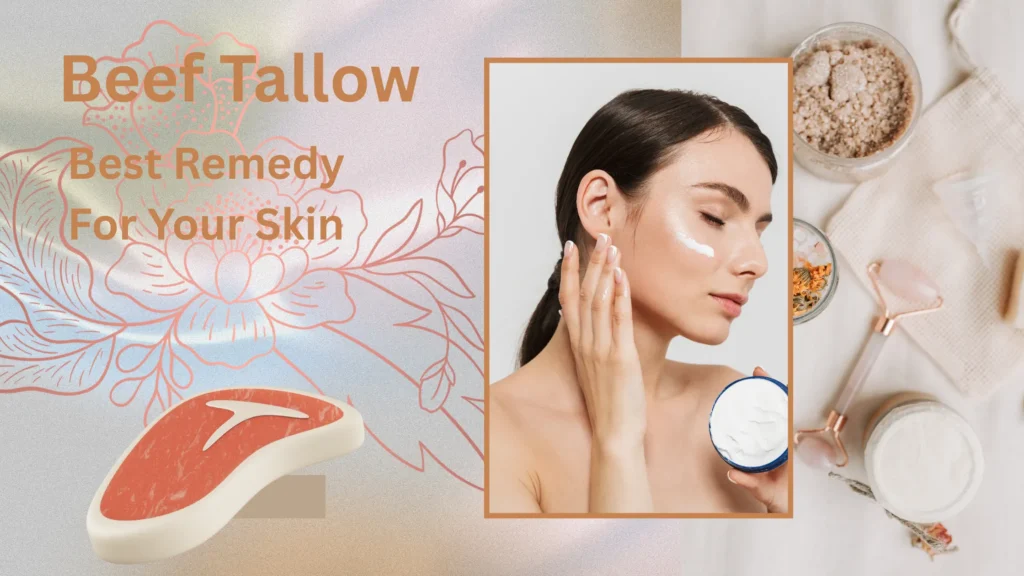
Beef tallow for skin is one of the ancient remedies making its way back into modern routines. Historically used by Egyptians, Greeks, Native Americans, and European civilisations as a healing balm, tallow is now re-emerging due to its incredible similarity to human sebum and its gentle, nutrient-packed composition.
While the idea of applying animal fat may seem unconventional today, science reveals that beef tallow for skin is one of the most compatible moisturisers for the human skin barrier.
It is rich in vitamins, antioxidants, anti-inflammatory properties, and skin-identical fatty acids. Here we provide a detailed, research-supported look into how beef tallow works, why it benefits the skin, and how to use it safely and effectively.
What Is Beef Tallow?
A Traditional Ingredient With Global History
Beef tallow is rendered fat from cattle, typically from grass-fed animals, to ensure high nutrient density. Historically, it was used for:
- Wound healing
- Moisturising dry or cracked skin
- Treating chapped lips
- Protecting the skin from cold climates
- Making soaps and healing balms
Civilisations such as the Egyptians and Romans used tallow-based ointments mixed with herbs to treat rashes and inflammation.
Nutritional Composition
Beef tallow is not just a moisturiser; it is scientifically rich in:
- Stearic acid (skin softening and barrier-repair)
- Palmitic acid (moisture protection + absorption support)
- Oleic acid (deep penetration into skin layers)
- Conjugated Linoleic Acid (CLA) (anti-inflammatory + antimicrobial)
- Vitamins A, D, E, and K2 (crucial for skin repair and regeneration)
- Natural antioxidants
Its fatty-acid profile closely resembles human sebum, which explains why it absorbs easily and strengthens the skin barrier.
Benefits of Beef Tallow for Skin
1. Highly Bio-Compatible Moisturization
Unlike plant oils, which may sit on the skin’s surface, beef tallow absorbs rapidly because its fatty acids match those naturally found in human skin.
Key Benefits:
- Deep, long-lasting hydration
- Replenishes skin lipids lost due to irritation or ageing
- Leaves skin smooth, supple, and glowing
2. Provides Essential Fat-Soluble Vitamins
These vitamins are crucial for skin health:
- Vitamin A – improves texture, helps cell turnover, supports healthier skin
- Vitamin D – aids skin healing, improves defence against irritation
- Vitamin E – fights free radicals and shields from environmental stressors
- Vitamin K2 – supports elasticity, may reduce the appearance of scars
Few moisturisers naturally contain all four of these vitamins without synthetic additives.
3. Anti-Inflammatory and Antimicrobial Action
CLA and palmitoleic acid found in tallow support balanced, calm skin. This may help reduce symptoms of:
- Eczema
- Dermatitis
- Rosacea
- Psoriasis
- Irritated or damaged skin
- Inflammation caused by harsh skincare products
4. Supports Skin Barrier Repair
Modern skincare routines often include strong exfoliants or harsh soaps that strip the moisture barrier.
Tallow helps rebuild and strengthen this barrier by supplying:
- Lipids are similar to human skin
- Fatty acids that reinforce barrier function
- Vitamins that soothe and restore
5. Natural Ingredients and Chemical-Free
Many commercial creams include preservatives, fragrances, and stabilisers that irritate sensitive skin.
Beef tallow (especially in its pure form) is:
- Chemical-free
- Non-toxic
- Naturally preserved through its antioxidant content
- Safe for sensitive skin
6. Low Comedogenic Rating
With a comedogenic score of 1–2, tallow is less likely to clog pores compared to:
- Coconut oil (4)
- Cocoa butter (4)
- Olive oil (3)
This makes it a safer alternative for acne-prone skin.
The Science Behind Why Beef Tallow Works
Fatty Acid Breakdown
Here’s a closer look at the fatty acids found in tallow:
| Fatty Acid | Skin Benefit |
|---|---|
| Stearic Acid | Strengthens barrier, improves softness |
| Palmitic Acid | Protects against environmental damage |
| Oleic Acid | Deep absorption into skin |
| CLA | Anti-inflammatory, antimicrobial |
| Palmitoleic Acid | Supports healing, natural antimicrobial |
Human Sebum Similarity
Human skin sebum contains:
- 41% monounsaturated fats
- 25% saturated fats
Tallow’s structure closely mirrors this, allowing it to integrate seamlessly into the skin.
Natural Antioxidants
Beef tallow contains:
- Vitamin E
- CLA
- Naturally occurring antioxidants
These help reduce oxidative stress — a major cause of premature ageing.
How to Use Beef Tallow for Skin
1. Daily Moisturiser
Apply a pea-sized amount to the face or body after cleansing. Warm between fingertips for easier spread.
2. Overnight Repair Balm
Ideal for:
- Dry skin
- Aging skin
- Winter dryness
- Sensitised or over-exfoliated skin
3. Lip Treatment
Tallow provides excellent relief for dry, cracked lips.
4. Spot Treatment for Irritation
Apply a thin layer to:
- Redness
- Eczema patches
- Rough spots
- Small scrapes
5. Makeup Primer
Many people notice smoother foundation application due to tallow’s creamy texture. So if you notice celebrities’ creamy texture and no makeup look, is just because of this technique. For example, Hannah Bronfman and Jack Gilinsky publicly use beef tallow as a primer and moisturiser.
Choosing the Best Beef Tallow for Skin
What to Look For
- Grass-fed, grass-finished (higher nutrients)
- Low-heat rendered (more vitamins preserved)
- Unscented or essential oil–free
- Stored in glass jars
Ingredients Often Paired With Tallow
Some balms add:
These ingredients improve softness and add soothing properties.
Is Beef Tallow Safe?
Generally Safe, But Consider This
Beef tallow is usually safe for:
- Sensitive skin
- Dry/eczema-prone skin
- Mature skin
- Children (with pediatric consultation)
Avoid if:
- You’re allergic to beef
- You prefer vegan skincare
- You have extremely oily skin
Possible Side Effects
- Breakouts if used too heavily
- Sensitivity to essential oils added to some blends
Always patch-test first.
FAQs
Is beef tallow safe for sensitive skin?
Yes, because it mimics natural sebum, making it gentle and compatible with sensitive skin.
Can beef tallow clog pores?
It rarely clogs pores, as it has a low comedogenic rating, but those with very oily skin should use it sparingly.
Does beef tallow smell?
High-quality grass-fed tallow has a mild, clean scent. Poor-quality tallow may smell stronger.
Can I use beef tallow with retinol?
Yes, it provides deep moisturising support when using strong actives like retinol.
Is beef tallow better than shea or coconut oil?
For many skin types, especially sensitive and dry skin, yes, because its composition closely resembles human sebum.
Can tallow help with eczema?
Many people experience relief due to its anti-inflammatory and barrier-repair properties.
How often should I apply beef tallow?
Once daily for normal skin; twice daily for dry or damaged skin.
Conclusion
Beef tallow is more than a traditional skincare remedy—it is a biologically compatible, nutrient-rich, and deeply hydrating moisturiser supported by science.
Its similarity to human sebum, antioxidant content, and anti-inflammatory benefits make beef tallow for skin a powerful natural alternative for people seeking healthier, calmer, and more nourished skin.
If you want a moisturiser that is simple, clean, effective, and historically trusted, beef tallow may be the perfect addition to your skincare routine.