
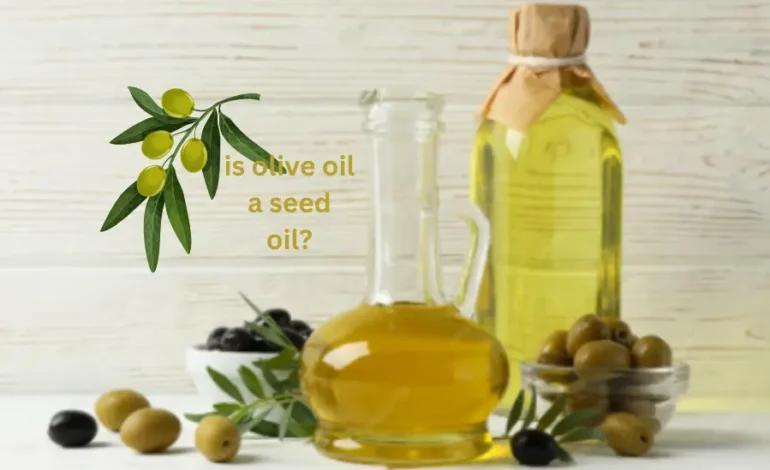

Is Olive Oil a Seed Oil? The Truth About This Golden Liquid
Introduction Olive oil is a staple of the Mediterranean diet, praised for its rich flavour and numerous health benefits. But there is always a misunderstanding and misconception in our mind — is olive oil a seed oil? This simple question has caused plenty of confusion, especially as people aim to make healthier choices. Today, we will clarify what defines a seed oil, explain how olive oil is produced. Also, why it stands out as one of the healthiest oils available today. What Are Seed Oils? Before answering whether olive oil is a seed oil, it’s important to understand what seed oils actually are. Common Examples of Seed Oils Seed oils are extracted from the seeds of plants through industrial processes. It is processed through high heat and chemical solvents. Some of the most common examples are Soybean oil, Corn oil, Canola oil, Sunflower oil(from rapeseed), and Grapeseed oil. These seeds’ oil is used in salad dressing, processed food and also in snacks. How Are Seed Oils Produced? Seed oils typically undergo several steps: This refining process often strips away natural nutrients and may generate harmful compounds like trans fats or oxidation byproducts. Is Olive Oil a Seed Oil? Here is the straightforward answer — no, olive oil is not a seed oil. Olive oil is classified as a fruit oil because it’s extracted from the flesh of the olive fruit, not its seed. While seed oils come from plant seeds, olive oil comes from pressing the whole fruit of the olive tree (Olea europaea). That’s a significant difference both nutritionally and chemically. Evidence shows that olive oil improves biomarkers of inflammation and vascular health — something less clearly found for many refined seed oils. PubMed+1 Evidence that olive oil is not a seed oil Why Olive Oil Is Different Olive oil is gently extracted, and its nutrients are not destroyed. It has a natural flavour, which is why extra virgin olive oil (EVOO) is often considered the highest quality and healthiest option. How Olive Oil Is Made The process of making olive oil focuses on purity and preservation. Steps in Olive Oil Production This minimal processing helps retain olive oil’s natural antioxidants, vitamins (especially vitamin E), and distinctive flavour. Olive Oil vs. Seed Oils: Nutritional Comparison Feature Olive Oil Typical Seed Oils Source Olive fruit Seeds (soy, corn, sunflower, etc.) Extraction Cold-pressed, natural Often chemically refined Main Fat Type Monounsaturated fats Polyunsaturated fats (omega-6) Antioxidants High (polyphenols, vitamin E) Very low Smoke Point Medium (~375°F / 190°C) Varies (350–450°F) Health Benefits Supports heart and brain health Excess omega-6 may promote inflammation Olive oil is rich in heart-protective monounsaturated fats; most seed oils contain high amounts of omega-6 fatty acids, which, when consumed in excess, may help to cause inflammation. Health Benefits of Olive Oil Olive oil, especially extra virgin olive oil, offers numerous science-backed health benefits. 1. Supports Heart Health Studies show that olive oil helps reduce LDL (bad cholesterol) and raise HDL (good cholesterol), lowering the risk of heart disease. For example, in a large Mediterranean-population trial, people with higher olive oil intake had a significantly lower risk of cardiovascular disease and death. BioMed Central” A systematic review found that consumption of virgin or extra-virgin olive oil improved biomarkers of cardiovascular risk (inflammation, oxidative stress, endothelial function) and was associated with fewer cardiovascular events. PubMed+1 An umbrella review of many meta-analyses found that olive oil consumption was associated with lower risk of cardiovascular disease, certain cancers, diabetes and overall mortality. PubMed 2. Contains Powerful Antioxidants Polyphenols and vitamin E help overcome oxidative stress and inflammation, key contributors to ageing and chronic diseases. A meta-analysis of randomized controlled trials found that regular dietary intake of olive oil reduced inflammatory markers such as C-reactive protein, interleukin-6 and TNF-α. PubMed 3. Promotes Brain Function Healthy fats in olive oil support cognitive function and may reduce the risk of neurodegenerative diseases like Alzheimer’s. 4. Helps Manage Weight Replacing butter or processed oils with olive oil may support weight management and metabolic health. 5. Aids Digestion and Gut Health Olive oil stimulates bile production and supports healthy gut bacteria, improving digestion naturally. Myths About Olive Oil Let’s debunk a few common myths related to olive oil. Myth 1: Olive Oil Is a Seed Oil As clarified earlier, olive oil is not a seed oil. It comes from fruit, not seeds. Myth 2: Olive Oil Isn’t Safe for Cooking While extra virgin olive oil has a moderate smoke point, it’s perfectly safe for sautéing, roasting, and even baking. In fact, its antioxidants make it more stable than many refined oils. Myth 3: All Olive Oils Are the Same They are not. Extra virgin olive oil is the least processed and healthiest type. Avoid “light” or “refined” olive oils, as they undergo chemical processing similar to seed oils. FAQs 1. Is olive oil a vegetable oil? Yes, olive oil is a vegetable oil. Because it is extracted from the flesh of the olive fruit (plant). 2. Is olive oil healthier than seed oils? Yes, olive oil contains monounsaturated fats and antioxidants, which support heart and brain health. Most seed oils are high in omega-6 fats, which can promote inflammation when consumed excessively. 3. Can I cook with olive oil? Yes, extra virgin olive oil is safe for cooking and retains its nutrients up to moderate temperatures. 4. What is the best type of olive oil to use? Choose extra virgin olive oil (EVOO). It is cold-pressed, unrefined, and contains the highest levels of antioxidants and flavour. 5. Does olive oil go bad? Yes, olive oil can oxidise over time. Store it in a cool, dark place and use it within 12–18 months of opening. Conclusion So, is olive oil a seed oil? Absolutely not. Olive oil is a fruit oil, extracted naturally from the flesh of the olive fruit, not from the seeds. Seeds oil requires chemical processing. Olive oil is cold-pressed. It is rich in heart-healthy monounsaturated fats, antioxidants, and anti-inflammatory compounds. Add extra
Read More