
If you’ve ever wondered, “Can allergies cause dizziness?”, you’re not alone—and honestly, it’s a lot more common than people think.
From my experience working in the health content and wellness space, I’ve seen this question asked again and again. People connect sneezing and itchy eyes with allergies, sure—but dizziness? That feels a bit… unexpected, right?
I will explain it simply.
Understanding Allergies and Their Impact on the Body
Before we jump into the dizziness part, let’s get one thing straight: allergies don’t just mess with your nose.
When your body detects something harmless—like pollen or dust—as a threat, it goes into defence mode. Your immune system releases chemicals like histamine, and that’s where all the chaos starts.
What Happens During an Allergic Reaction?
- Your nasal passages swell.
- Your sinuses fill with fluid
- Your ears can feel blocked
- Your body gets inflamed
And guess what? All of this can mess with your balance.
So yes, if you’re asking, “Can allergies cause dizziness?” the short answer is absolutely yes.
Can Allergies Cause Dizziness? The Direct Answer
Let’s not beat around the bush.
Yes, allergies can cause dizziness. “I’d estimate that maybe 5% of my patients are specifically referred for these reasons,” says allergist Mark Aronica, MD
But how exactly does that happen?
The Main Reasons Behind Allergy-Related Dizziness
- Inner Ear Pressure
Your ears control your balance. When allergies cause fluid buildup or pressure, your balance system gets confused. - Sinus Congestion
Blocked sinuses create pressure around your eyes and forehead. That pressure can trigger lightheadedness. - Eustachian Tube Dysfunction
This tiny tube connects your ear to your throat. Allergies can block it, making your ears feel full and your head feel off-balance. - Medication Side Effects
Some antihistamines can make you drowsy or dizzy. So ironically, the “cure” sometimes adds to the problem. Classic, right?
Common Allergy Symptoms That Pair With Dizziness
If dizziness shows up, it rarely comes alone. It usually brings a few annoying symptoms along.
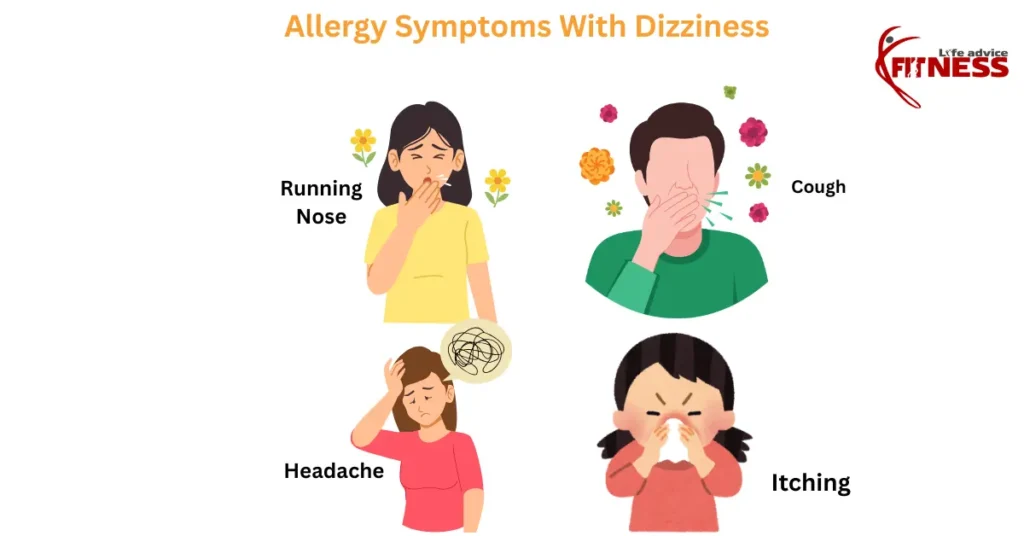
Watch for These Signs
| Symptom | Why It Happens |
|---|---|
| Nasal congestion | Swollen nasal passages block airflow |
| Ear fullness | Fluid buildup affects pressure |
| Head pressure | Sinus inflammation |
| Fatigue | Body fights allergens nonstop |
| Brain fog | Reduced oxygen and inflammation |
If you notice these together, your dizziness likely ties back to allergies.
Types of Allergies That Can Cause Dizziness
Not all allergies act the same. Some hit harder when it comes to balance issues.
1. Seasonal Allergies (Hay Fever)
Pollen becomes public enemy number one during certain seasons.
- Spring: Tree pollen
- Summer: Grass pollen
- Fall: Weed pollen
These allergies often cause sinus pressure, which can lead to dizziness.
2. Indoor Allergies
Think dust mites, mould, and pet dander.
- These stick around all year
- They quietly mess with your breathing and ears
IMO, indoor allergies feel worse because you never get a break.
3. Food Allergies
Food allergies don’t usually cause dizziness—but in severe cases, they can.
- Mild reaction: stomach issues
- Severe reaction: drop in blood pressure and dizziness
How Sinuses and Ears Affect Your Balance
Here’s where things get interesting.
Your balance system lives in your inner ear. When allergies interfere with your sinuses, they also mess with your ears.
The Chain Reaction
- Allergens trigger inflammation
- Sinuses swell and block drainage
- Pressure builds near the ears
- Balance signals get disrupted
Boom—dizziness kicks in.
Ever felt like your ears needed to “pop” but wouldn’t? That’s your body struggling to balance pressure.
Allergy vs. Other Causes of Dizziness
Not every dizzy spell comes from allergies. Let’s keep it real.
Quick Comparison Table
| Cause | Key Signs | Duration |
|---|---|---|
| Allergies | Congestion, ear pressure | Ongoing during exposure |
| Dehydration | Thirst, fatigue | Improves with fluids |
| Low blood sugar | Weakness, sweating | Improves after eating |
| Inner ear disorders | Severe spinning (vertigo) | Can last hours or days |
If dizziness comes with allergy symptoms, allergies likely play a role.
When Should You Worry?
Okay, let’s not panic—but also don’t ignore serious signs.
Red Flags to Watch
- Severe spinning (true vertigo)
- Fainting
- Chest pain
- Blurred vision
- Difficulty speaking
- Fever
- Severe headache
If you notice any of these, skip Google and see a doctor immediately.
How to Treat Allergy-Related Dizziness
Good news—you don’t have to just “live with it.”
Practical Ways to Feel Better
1. Antihistamines
These reduce your allergic response.
- Non-drowsy options work best for daytime
- Some may still cause slight dizziness
2. Decongestants
They reduce sinus pressure.
- Help clear blocked nasal passages
- Use short-term only
3. Nasal Sprays
These target inflammation directly.
- Steroid sprays reduce swelling
- Saline sprays flush out allergens
4. Stay Hydrated
Sounds basic, but it works.
- Fluids thin mucus
- Help your body recover faster
5. Steam Inhalation
Old-school, but effective.
- Opens nasal passages
- Reduces pressure in the sinuses
FYI, combining these methods often works better than relying on just one.
Lifestyle Changes That Actually Help
You need to take precautionary measures before symptoms appear.
Easy Daily Habits
- Keep windows closed during high pollen days
- Use air purifiers indoors
- Wash bedding regularly
- Shower after being outside
- Avoid known triggers
Consistency matters more than perfection here.
Diet Tips to Reduce Allergy Symptoms
Food won’t cure allergies, but it can help manage inflammation. Immunity booster teas can help to reduce inflammation and allergies.
Helpful Foods
| Food Type | Benefit |
|---|---|
| Citrus fruits | Rich in vitamin C |
| Ginger | Natural anti-inflammatory |
| Turmeric | Reduces swelling |
| Green tea | Contains antioxidants |
| Honey (local) | May help with pollen tolerance |
Foods to Avoid
- Processed foods
- Excess sugar
- Dairy (can increase mucus for some people)
- Oily and Spicy food
Can Allergies Cause Dizziness All the Time?
Short answer: not always.
Dizziness depends on:
- Exposure level
- Severity of your allergies
- Your body’s sensitivity
Some people feel it occasionally. Others deal with it regularly during allergy season.
So if you keep asking yourself, “Can allergies cause dizziness every day?”—it’s possible, especially during peak allergy periods.
Business Perspective: Why This Topic Matters
From a health content and wellness business standpoint, this issue gets overlooked a lot.
Most people search for:
- Sneezing
- Runny nose
- Itchy eyes
But fewer people connect allergies with dizziness.
That creates a gap—and honestly, it’s an opportunity. Educating people about symptoms like this builds trust and keeps them coming back for reliable info.
And trust me, when users find answers that actually make sense, they stick around.
FAQs About Allergies and Dizziness
1. Can allergies cause dizziness without other symptoms?
Yes, but it’s rare. Most people also experience congestion or sinus pressure. If dizziness appears alone, check other possible causes too.
2. How long does allergy-related dizziness last?
It lasts as long as your allergy trigger stays active. Once you treat the allergy or remove the trigger, dizziness usually improves quickly.
3. Can antihistamines make dizziness worse?
Yes, some can. Older antihistamines often cause drowsiness and lightheadedness. Choose non-drowsy options if this becomes an issue.
4. What does allergy dizziness feel like?
It may vary person to person, but most people feel severe headach with cannot stand on their own feet. they feel nauseous and faint.
Final Thoughts: Don’t Ignore What Your Body Tells You
So, let’s wrap this up.
If you’ve been wondering, can allergies cause dizziness? The answer is a clear yes—and now you know exactly why.
Your ears, sinuses, and immune system all work together. When allergies disrupt that balance, dizziness can show up like an uninvited guest.
The good news? You can manage it.
Stay aware of your symptoms. Make small lifestyle changes. Use the right treatments. And most importantly, don’t ignore persistent signs.
Because honestly, feeling like the room spins for no reason? Nobody has time for that.