
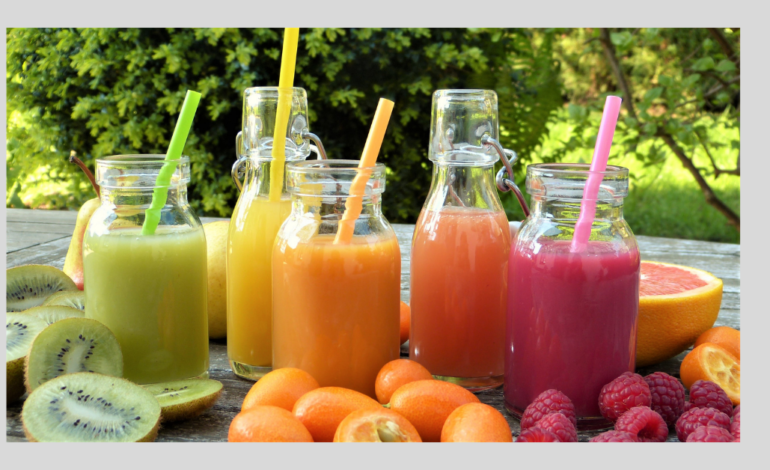

Low Calorie Juice for Weight Loss: Dietitian Guide
Low calorie juice for weight loss refers to freshly prepared vegetable- and fruit-based beverages that provide hydration, vitamins, minerals, and antioxidants while keeping calorie intake relatively low. When combined with a balanced diet and regular physical activity, Many commercial juices contain added sugars that significantly increase calorie content. In contrast, homemade Low Calorie Juice for Weight Loss prepared primarily from vegetables and moderate portions of fruit deliver more nutrients with fewer calories, making it a practical choice for individuals aiming to reduce daily energy intake. Why Low-Calorie Juice Can Support Weight Loss Research indicates that low-calorie juices may contribute to weight management when they replace sugar-sweetened beverages rather than being consumed as additional calories. The primary mechanism involves reducing total daily energy intake while supplying vitamins, minerals, phytochemicals, and hydration. Whole foods should remain the foundation of a weight-loss eating pattern. Weight loss depends primarily on maintaining a calorie deficit over time. Drinking a nutrient-dense juice instead of soda, sweetened coffee drinks, or packaged fruit beverages can help lower daily calorie consumption. Fresh juices are not fat-burning beverages by themselves. Instead, they become effective when incorporated into an overall calorie-controlled eating plan rich in vegetables, lean protein, whole grains, legumes, healthy fats, and regular physical activity. Benefits of Low-Calorie Juice Scientific evidence consistently shows that reducing consumption of sugar-sweetened beverages is associated with improved weight management outcomes. How Many Calories Should a Weight-Loss Juice Contain? Nutrition research suggests that an effective low-calorie juice generally contains approximately 30–100 calories per serving, depending on ingredient composition. Vegetable-dominant juices typically provide fewer calories and less natural sugar than fruit-dominant alternatives while maintaining high micronutrient density.[Data Source: USDA FoodData Central] For most adults following a calorie-controlled eating plan, a homemade juice containing fewer than 100 calories per serving fits more easily into daily energy goals than commercial fruit juices containing 120–180 calories per serving. Comparison Table: Homemade vs Commercial Juice Feature Homemade Low-Calorie Juice Commercial Fruit Juice Average Calories 30–80 kcal 120–180 kcal Added Sugar Usually none Often present Fiber Low (unless blended) Very low Artificial Ingredients None May contain preservatives Sodium Naturally low Varies Best for Weight Loss Yes Usually less suitable Best Ingredients for Low-Calorie Juice for Weight Loss Vegetables with high water content and low energy density represent the preferred foundation for weight-loss juices. Ingredients such as cucumber, celery, spinach, lemon, mint, and ginger provide micronutrients and phytochemicals while contributing relatively few calories. Moderate fruit portions improve flavour without substantially increasing energy content.[Expert Source: Nutrition Research Review][Data Source: USDA Nutrient Database] Selecting ingredients with high water content naturally lowers calorie density while increasing volume and satiety. Recommended ingredients include: Ingredients to Limit Recipe 1: Cucumber Lemon Detox Juice Cucumber-lemon juice provides hydration with minimal calories and contributes vitamin C, potassium, and antioxidant compounds. The beverage should not be classified as a detox treatment; however, replacing high-calorie drinks with this recipe may assist calorie reduction within structured weight-management programs.[Expert Source: Clinical Nutrition Review] Ingredients Instructions Nutrition Value (Per Serving) Nutrient Amount Calories 32 kcal Protein 1 g Carbohydrates 7 g Sugar 3 g Fiber* Less than 1 g Fat 0 g Vitamin C 24% DV Potassium 280 mg * Fibre is reduced during juicing. Why it supports weight management:The high water content increases beverage volume without significantly increasing calorie intake. Recipe 2: Spinach Green Juice Leafy green juices provide vitamins A, C, K, folate, and magnesium while maintaining relatively low calorie levels. Their nutritional profile supports overall dietary quality, although adequate protein and dietary fibre should be obtained from complete meals throughout the day.[Expert Source: Nutrition Journal] Ingredients Instructions Nutrition Value Nutrient Amount Calories 54 kcal Protein 2 g Carbohydrates 11 g Fat 0 g Potassium 520 mg Vitamin A 85% DV Vitamin C 48% DV Weight-loss advantage:Using only half an apple limits natural sugar while preserving a refreshing taste. Recipe 3: Celery Ginger Juice Celery-based juice contains substantial water content and relatively low energy density. Ginger contributes bioactive compounds studied for digestive comfort and metabolic health, although evidence does not support claims that ginger alone produces clinically significant fat loss.[Expert Source: Systematic Review/Link] Ingredients Instructions Nutrition Value Nutrient Amount Calories 36 kcal Protein 2 g Carbohydrates 8 g Fat 0 g Potassium 410 mg Vitamin K 52% DV Best time to drink:Enjoy as a mid-morning beverage instead of sugary snacks or sweetened drinks. Recipe 4: Tomato Basil Juice Tomato-based juice supplies lycopene, vitamin C, potassium, and antioxidant compounds while remaining relatively low in calories. Unsalted homemade preparations are generally preferred over processed tomato juice because sodium intake can be better controlled.[Expert Source: American Journal of Clinical Nutrition] Ingredients Instructions Nutrition Value Nutrient Amount Calories 45 kcal Protein 2 g Carbohydrates 9 g Fat 0 g Lycopene High Vitamin C 38% DV Potassium 470 mg Evidence-based benefit:Tomatoes are naturally rich in lycopene, a carotenoid associated with antioxidant activity and overall cardiovascular health. [Data Source: 2023 Nutrition Review/Stat] Recipe 5: Watermelon Mint Refresher Watermelon-based juice provides hydration due to its high water content while supplying vitamin C, potassium, and the antioxidant lycopene. Although watermelon contains natural sugars, portion control keeps total calories moderate, making it compatible with calorie-controlled eating patterns.[Expert Source: Registered Dietitian/Link][Data Source: USDA FoodData Central] Ingredients Instructions Nutrition Value (Per Serving) Nutrient Amount Calories 58 kcal Protein 1 g Carbohydrates 14 g Natural Sugar 12 g Fat 0 g Vitamin C 21% DV Potassium 180 mg Weight-loss application:Replacing sugar-sweetened beverages with this refreshing juice can reduce overall daily calorie intake while improving hydration. Recipe 6: Berry Beet Juice Berry and beet juice supplies dietary nitrates, anthocyanins, vitamin C, and folate. Current evidence suggests these compounds may support vascular function and exercise performance, although direct fat-loss effects remain insufficiently established.[Expert Source: Sports Nutrition Review][Data Source: 2024 Clinical Nutrition Review] Ingredients Instructions Nutrition Value Nutrient Amount Calories 74 kcal Protein 2 g Carbohydrates 17 g Fat 0 g Folate 18% DV Vitamin C 54% DV Recipe 7: Green Detox Vegetable Juice A vegetable-dominant juice containing cucumber, celery, spinach, parsley, and lemon provides
Read More