
Low calorie sauces for pasta are tomato-, vegetable-, broth-, yoghurt-, or other reduced-fat sauces designed to add flavouflwr and moisture while keeping calories, saturated fat, and often sodium lower than traditional cream- or cheese-heavy sauces.
What Are the Best Low Calorie Sauces for Pasta?
Research indicates that tomato-based, vegetable-based, broth-based, and reduced-fat yogurt sauces generally provide the most efficient calorie-to-flavor ratio for pasta. A controlled portion of sauce can add moisture, acidity, herbs, and savory compounds without substantially increasing meal energy density, particularly when butter, heavy cream, and large quantities of cheese are minimized.
The best low calorie pasta sauces are usually marinara, roasted tomato sauce, spicy tomato sauce, vegetable puree sauce, lemon-garlic sauce, yogurt-herb sauce, and light pumpkin sauce.
A practical target is approximately 30–100 calories per serving, although the exact value depends on ingredients and serving size.
Best low calorie pasta sauce options
- Homemade marinara — approximately 40–70 calories per ½ cup.
- Roasted red pepper sauce — approximately 50–80 calories per ½ cup.
- Garlic tomato sauce — approximately 40–70 calories per ½ cup.
- Pumpkin sauce — approximately 60–90 calories per ½ cup.
- Greek yogurt garlic sauce — approximately 60–100 calories per ½ cup.
- Lemon-herb sauce — approximately 40–70 calories per serving.
- Mushroom-garlic sauce — approximately 50–90 calories per ½ cup.
- Butternut squash sauce — approximately 70–100 calories per ½ cup.
These figures are recipe estimates rather than universal nutrition values because commercial products and homemade recipes can differ substantially.
[Data Source: USDA FoodData Central / product nutrition labels should be used to verify final recipe-specific calorie values.]
15 Low Calorie Sauces for Pasta
The lowest-calorie pasta sauces are typically produced by emphasizing vegetables, tomatoes, herbs, spices, citrus, broth, and low-fat dairy while limiting oils, butter, cream, and full-fat cheese. These formulations can maintain sauce volume and sensory intensity through acidity, umami, aromatics, and vegetable purees rather than relying primarily on dietary fat.
1. Classic Light Marinara
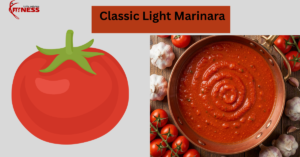
Approximate calories: 40–70 per ½ cup.
Marinara is one of the most practical choices when calorie control is the primary objective. A simple formulation uses crushed tomatoes, garlic, onion, basil, oregano, black pepper, and a small amount of olive oil.
For an even lower-calorie version, reduce the oil rather than increasing sugar to compensate for acidity.
Basic ingredients:
- 2 cups crushed tomatoes
- 2 garlic cloves
- ¼ onion
- 1 teaspoon olive oil
- Basil and oregano
- Black pepper
- Optional red pepper flakes
Simmer for 15–25 minutes until the sauce thickens.
2. Garlic and Tomato Sauce
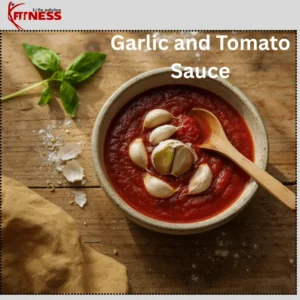
Approximate calories: 35–65 per ½ cup.
This sauce relies on tomato acidity and roasted garlic for flavour, allowing very little added fat to be used.
Roasting or gently sautéing garlic develops a deeper flavor profile without requiring butter or cream.
3. Spicy Arrabbiata-Style Sauce
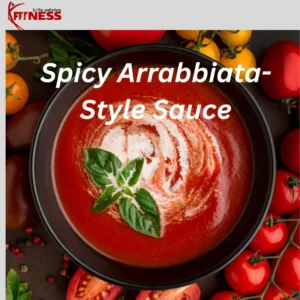
Approximate calories: 40–70 per ½ cup.
An arrabbiata-style sauce combines tomatoes, garlic, chilli flakes, herbs, and a small quantity of olive oil. The chilli component increases perceived flavour intensity without materially increasing calorie content.
For people who enjoy spicy food, this is one of the easiest ways to make a lower-calorie pasta dish taste more substantial.
4. Roasted Red Pepper Sauce
Approximate calories: 50–80 per ½ cup.
Roasted red peppers provide sweetness, colour, moisture, and vegetable volume while remaining relatively low in calories.
Blend roasted peppers with garlic, tomato, vegetable broth, black pepper, and a small amount of Greek yoghurt for a creamy texture without heavy cream.
5. Creamy Greek Yoghurt Garlic Sauce
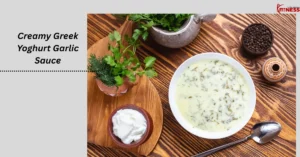
Approximate calories: 60–100 per ½ cup.
Greek yogurt can provide a creamy texture with substantially less fat than heavy cream. Use plain, unsweetened Greek yogurt and combine it with garlic, lemon juice, black pepper, herbs, and a small amount of pasta water.
Avoid boiling the yogurt aggressively because excessive heat can cause curdling.
Quick formula:
- ½ cup plain Greek yoghurt
- 1–2 tablespoons pasta water
- 1 garlic clove
- 1 teaspoon lemon juice
- Black pepper
- Parsley or dill
6. Lemon Garlic Pasta Sauce
Approximate calories: 40–70 per serving.
Lemon juice creates acidity while garlic and herbs provide aromatic intensity. A small quantity of olive oil can be incorporated, but the sauce does not require butter or cream.
This option works particularly well with shrimp, chicken, spinach, broccoli, zucchini, or peas.
7. Mushroom Garlic Sauce
Approximate calories: 50–90 per ½ cup.
Mushrooms provide substantial savory flavor and volume for relatively few calories. Sauté mushrooms with garlic, onion, black pepper, thyme, and a small amount of vegetable broth.
For a creamy version, add a spoonful of low-fat Greek yoghurt after removing the pan from direct heat.
8. Pumpkin Pasta Sauce
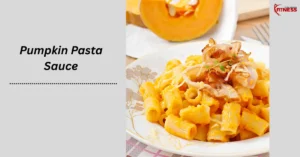
Approximate calories: 60–90 per ½ cup.
Pure pumpkin can create a thick, creamy sauce without requiring large amounts of cream. Combine pumpkin puree with vegetable broth, garlic, black pepper, smoked paprika, and a modest amount of Parmesan.
Pumpkin also contributes carotenoids and dietary fibre.
9. Butternut Squash Sauce
Approximate calories: 70–100 per ½ cup.
Roasted butternut squash can be blended with broth, garlic, sage, black pepper, and a small amount of Parmesan to create a naturally thick sauce.
The vegetable puree increases sauce volume while reducing dependence on heavy dairy ingredients.
10. Spinach and Yogurt Sauce
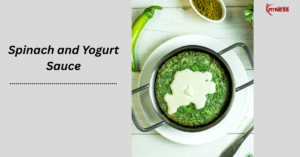
Approximate calories: 60–90 per ½ cup.
Blend cooked spinach with plain Greek yogurt, garlic, lemon juice, black pepper, and a small amount of Parmesan.
This sauce can increase vegetable intake while maintaining a creamy consistency.
Vegetables are naturally relatively low in calories, although sauces and added fats can substantially increase their energy density.
11. Cauliflower Alfredo-Style Sauce
Approximate calories: 70–100 per ½ cup.
Cooked cauliflower can be blended with low-fat milk, garlic, black pepper, nutritional yeast, or a small amount of Parmesan to mimic the texture of a cream sauce.
The technique reduces the amount of heavy cream required while retaining a thick mouthfeel.
12. Tomato Basil Sauce
Approximate calories: 40–70 per ½ cup.
Tomatoes, basil, garlic, black pepper, and a small amount of olive oil create a simple sauce with a high flavour-to-calorie ratio.
Fresh basil can be added near the end of cooking to preserve its aromatic characteristics.
13. Broth-Based Herb Sauce
Approximate calories: 30–60 per serving.
A broth-based sauce can be made with low-sodium vegetable or chicken broth, garlic, parsley, oregano, lemon juice, black pepper, and a small amount of cornstarch or pasta water for body.
The principal advantage is calorie control; the principal limitation is that commercial broth can contribute substantial sodium.
The American Heart Association recommends comparing labels and choosing lower-sodium products when using prepared foods.
14. Fresh Tomato and Basil Sauce
Approximate calories: 35–60 per ½ cup.
Fresh tomatoes can be cooked briefly with garlic, basil, black pepper, and a small amount of olive oil.
This sauce works particularly well during tomato season because ripe tomatoes provide sufficient acidity and natural sweetness without requiring added sugar.
15. Light Pesto-Style Sauce
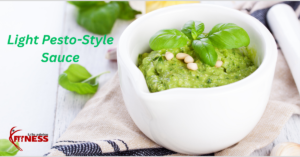
Approximate calories: 70–100 per serving.
Traditional pesto is calorie-dense because olive oil, pine nuts, and Parmesan contribute concentrated dietary fat. A lighter pesto can reduce the oil and nuts while increasing basil, spinach, lemon juice, garlic, and a small amount of Parmesan.
The result retains the characteristic herbal flavour while reducing energy density.
[Expert Source: USDA FoodData Central — verify recipe-specific ingredient values before publishing numerical calorie claims.]
Low Calorie Pasta Sauces Compared
Tomato and vegetable-based sauces generally have a lower energy density than cream-based sauces because their formulation contains more water-rich produce and less concentrated dietary fat. Yoghurt-based and vegetable-puree sauces can provide creamy textures with reduced reliance on heavy cream, although sodium and added fats must still be assessed from the complete recipe.
| Sauce | Approx. calories per serving | Main base | Typical fat level | Best use |
|---|---|---|---|---|
| Light marinara | 40–70 | Tomato | Low | Everyday pasta |
| Arrabbiata | 40–70 | Tomato | Low | Spicy pasta |
| Roasted pepper | 50–80 | Pepper | Low | Creamy vegetable pasta |
| Lemon garlic | 80-89 | Citrus/broth | Low | Chicken or seafood |
| Mushroom garlic | 50–90 | Mushrooms | Low | Savory pasta |
| Greek yogurt | 60–100 | Yogurt | Low–moderate | Creamy dishes |
| Pumpkin | 60–90 | Pumpkin | Low | Fall-style pasta |
| Butternut squash | 70–100 | Squash | Low | Vegetarian pasta |
| Light pesto | 70–100 | Basil | Moderate | Herb-forward pasta |
| Traditional Alfredo | Often substantially higher | Cream/butter | High | Rich pasta |
These values are approximate and should not replace product labels or a recipe-specific nutrition analysis.
How Many Calories Should a Low Calorie Pasta Sauce Have?
No universal calorie threshold defines a low-calorie pasta sauce; classification depends on serving size, total meal energy, and dietary requirements. For practical meal planning, a sauce providing approximately 30–100 calories per standard serving can preserve substantial flavor while leaving more energy available for pasta, vegetables, and protein. [Data Source: Recipe-specific nutrition analysis required.]
A 30–100-calorie sauce serving is a useful practical target, not a clinical definition.
For weight management, the complete meal matters more than the sauce alone.
A 70-calorie sauce can still contribute to a high-calorie meal if it is paired with a large pasta portion, substantial cheese, fatty meat, and excessive oil.
What Makes a Pasta Sauce Low Calorie?
Low-calorie sauce formulation is primarily achieved by increasing water-rich vegetables or broth while reducing concentrated energy sources such as oils, butter, cream, full-fat cheese, and nuts. Flavor intensity can be preserved through herbs, spices, garlic, onion, acidity, roasting, fermentation, and umami-rich ingredients rather than additional fat.
The main nutritional variables are:
1. Added oil
Oil contains approximately 9 calories per gram, so unrestricted pouring can rapidly increase sauce calories.
Measure oil with a teaspoon or tablespoon instead of estimating visually.
2. Heavy cream
Heavy cream increases both calories and saturated fat.
Replacing some or all of it with yogurt, low-fat milk, broth, or vegetables can substantially alter the nutritional profile.
3. Cheese
Parmesan and other aged cheeses deliver concentrated flavor, which means a small amount can be useful.
However, increasing cheese from a tablespoon to several handfuls changes the energy and sodium profile considerably.
4. Sugar
Tomato sauces do not necessarily require added sugar.
If acidity is excessive, consider using naturally sweet vegetables such as roasted red pepper or carrot.
5. Sodium
A sauce can be low in calories but high in sodium.
This distinction matters for people monitoring sodium intake.
The American Heart Association recommends comparing nutrition labels and selecting lower-sodium versions of prepared foods.
Low Calorie vs. Low Fat vs. Low Carb Pasta Sauces
Low-calorie, low-fat, and low-carbohydrate sauces represent different nutritional classifications and should not be treated as interchangeable. A sauce can contain few calories but moderate carbohydrate, or contain little carbohydrate while remaining energy-dense because of added oil, cream, cheese, or nuts. Nutrition labels must therefore be evaluated according to the target dietary parameter.
| Sauce type | Primary objective | Examples | Potential limitation |
| Low calorie | Reduce total energy | Tomato, vegetable, broth | May require larger portions for satiety |
| Low fat | Reduce dietary fat | Tomato, broth, yoghurt | Can become high sodium if heavily processed |
| Low carb | Reduce carbohydrate | Cream-based, cheese-based | May be calorie-dense |
| Low sodium | Reduce sodium | Homemade tomato/broth sauce | Requires careful seasoning |
| High protein | Increase protein | Yoghurt, cottage cheese sauces | Texture and flavour require adjustment |
For weight loss, low calorie and appropriate portion size are usually more directly relevant than simply choosing a sauce labelled low fat or low carb.
Best Store-Bought Low Calorie Pasta Sauces
Store-bought pasta sauces should be evaluated by calories, serving size, saturated fat, sodium, added sugars, and ingredient composition rather than front-label marketing alone. Products marketed as “light,” “healthy,” or “fat-free” can differ substantially in sodium or sugar, making the Nutrition Facts panel the more reliable comparison tool.
When shopping, compare products per serving and per 100 grams when available.
Look for:
- Lower calories per stated serving.
- Lower saturated fat.
- Lower sodium.
- Minimal added sugar.
- Vegetable- or tomato-dominant ingredients.
- A serving size that reflects how much you actually eat.
The American Heart Association notes that products within the same category can have significantly different sodium levels, making label comparison particularly useful.
A practical store-bought sauce checklist
| Label feature | What to check |
| Calories | Compare equivalent serving sizes |
| Sodium | Lower is preferable when sodium restriction is relevant |
| Saturated fat | Compare similar products |
| Added sugar | Avoid unnecessary high amounts |
| Serving size | Check whether your portion equals one serving |
| Ingredients | Look for tomato/vegetable bases |
| Oil | Check quantity and type |
| Cheese/cream | Identify whether they dominate the formulation |
Are Tomato-Based Pasta Sauces Healthier Than Cream Sauces?
Tomato-based pasta sauces are generally lower in saturated fat than traditional cream- or cheese-based sauces when comparable portions are used. Their nutritional advantage comes primarily from lower concentrations of cream, butter, and full-fat cheese rather than from tomatoes alone. Recipe composition, sodium, oil quantity, and portion size remain relevant variables.
For calorie-conscious pasta meals, tomato-based sauces are usually the simpler starting point.
The NHS specifically identifies tomato-based pasta sauce as a lower-saturated-fat alternative to creamy or cheesy sauces.
However, not every tomato sauce is automatically low calorie.
A sauce containing large amounts of olive oil, cheese, sugar, or fatty meat can become energy-dense.
How to Reduce Calories in Any Pasta Sauce
Sauce calories can be reduced most efficiently by controlling concentrated ingredients rather than eliminating flavor. Reducing oil, butter, cream, and cheese while increasing tomatoes, vegetables, broth, herbs, spices, and acidic ingredients lowers energy density while preserving sauce volume and sensory complexity. Portion measurement provides additional control over total energy intake.
Use these modifications:
- Replace half the cream with low-fat milk or pureed vegetables.
- Replace some oil with broth when sautéing.
- Increase mushrooms, tomatoes, spinach, zucchini, or peppers.
- Use strong herbs and spices to compensate for reduced fat.
- Add lemon juice or vinegar for acidity.
- Use Parmesan sparingly because a small quantity can provide substantial flavour.
- Use pasta water to loosen and emulsify sauce.
- Measure oil instead of free-pouring it.
- Choose reduced-sodium broth and canned tomatoes when available.
- Keep the sauce portion consistent across meals.
Low Calorie Pasta Sauce Recipes for Weight Loss
For weight-management meals, low-calorie pasta sauces are most effective when they reduce meal energy density without compromising protein, fiber, or vegetable intake. Vegetable-rich tomato sauces, yogurt-based sauces, and pureed squash formulations can support this structure when paired with controlled pasta portions and nutrient-dense protein and vegetable ingredients. [Expert Source: Registered Dietitian / USDA Dietary Guidance.]
1. 50-Calorie Tomato Garlic Sauce
Ingredients:
- 2 cups crushed tomatoes
- 2 garlic cloves
- ½ small onion
- ½ teaspoon olive oil
- 1 teaspoon dried basil
- ½ teaspoon oregano
- Black pepper
- Chili flakes
Method:
Sauté garlic and onion briefly in the oil. Add tomatoes and seasonings, then simmer for approximately 20 minutes.
Blend partially if a smoother texture is preferred.
2. Light Creamy Yogurt Sauce
Ingredients:
- ½ cup plain Greek yogurt
- ¼ cup pasta water
- 1 garlic clove
- 1 teaspoon lemon juice
- 1 tablespoon grated Parmesan
- Black pepper
- Parsley
Method:
Whisk yogurt, lemon juice, garlic, Parmesan, and black pepper.
Add warm pasta water gradually, then toss with cooked pasta away from direct high heat.
3. Roasted Pepper Sauce
Ingredients:
- 1 cup roasted red peppers
- ½ cup crushed tomatoes
- ¼ cup vegetable broth
- 1 garlic clove
- ½ teaspoon olive oil
- Paprika
- Black pepper
Blend until smooth and simmer for approximately 5–10 minutes.
4. Pumpkin Garlic Sauce
Ingredients:
- 1 cup pumpkin puree
- ½ cup low-sodium vegetable broth
- 1 garlic clove
- 1 tablespoon Parmesan
- Black pepper
- Sage or thyme
Heat gently until thick and smooth.
Add additional broth if the sauce becomes too dense.
How to Build a Low Calorie Pasta Meal
A lower-calorie pasta meal should be structured around portion-controlled pasta, a vegetable-rich sauce, a protein source, and additional non-starchy vegetables when appropriate. This configuration distributes energy across carbohydrate, protein, and produce while increasing volume and dietary diversity without requiring excessive sauce restriction.
A sauce alone does not determine whether pasta fits a weight-management diet.
Use this framework:
Choose the pasta
Whole-grain pasta can provide more dietary fibre than refined pasta, making it a useful option within an overall balanced eating pattern.
Add protein
Useful choices include:
- Chicken breast
- Shrimp
- Tuna
- Salmon
- Tofu
- Lentils
- Chickpeas
- Beans
- Low-fat cottage cheese
- Greek yogurt
Add vegetables
Vegetables can increase meal volume while contributing fiber and micronutrients. MyPlate identifies vegetables as sources of nutrients including potassium, folate, vitamin A, vitamin C, and dietary fiber.
Good pasta additions include:
- Broccoli
- Spinach
- Mushrooms
- Zucchini
- Bell peppers
- Tomatoes
- Cauliflower
- Peas
- Eggplant
Common Mistakes When Choosing Low Calorie Pasta Sauces
The most frequent formulation errors involve replacing one concentrated ingredient with another without reducing total energy density. Excessive oil, cheese, nuts, sodium-rich broth, oversized portions, and misleading serving sizes can convert an apparently light sauce into a high-energy component of the meal. Nutrition should therefore be assessed across the complete recipe.
Mistake 1: Using too much olive oil
Olive oil is nutritionally useful but remains calorie-dense.
Measure it.
Mistake 2: Assuming “fat-free” means low calorie
Fat-free products can contain carbohydrates, sugar, or other ingredients that increase total calories.
Mistake 3: Ignoring sodium
A sauce can contain very few calories while contributing a large amount of sodium.
Mistake 4: Measuring only the sauce
A 60-calorie sauce does not compensate for an oversized pasta serving plus several tablespoons of oil and cheese.
Mistake 5: Adding large quantities of cheese
Cheese can transform the nutritional profile quickly.
Use a smaller quantity of strongly flavoured cheese and distribute it throughout the dish.
Mistake 6: Trusting marketing claims
“Light,” “natural,” “healthy,” and “fit” do not establish a standardised calorie threshold.
Read the nutrition panel.
How to Make Low Calorie Pasta Sauce Taste Better
Flavor intensity in reduced-calorie sauces can be increased through acidity, aromatic vegetables, herbs, spices, roasting, browning, chili, garlic, and umami-rich ingredients. These techniques improve sensory complexity without requiring proportional increases in oil, cream, butter, or cheese, allowing calorie reduction to occur without producing a flat flavor profile.
Use flavour-building techniques rather than simply adding more fat.
- Roast tomatoes or peppers before blending.
- Brown mushrooms before adding liquid.
- Add fresh garlic near the end of cooking.
- Use lemon zest for aromatic intensity.
- Add chilli flakes or cayenne for heat.
- Use basil, oregano, thyme, rosemary, parsley, or dill.
- Add black pepper generously.
- Use a small amount of Parmesan for umami.
- Finish tomato sauces with vinegar or lemon juice when needed.
- Reduce the sauce to concentrate flavour naturally.
The American Heart Association also recommends herbs, spices, citrus juices, and vinegar as ways to add flavor while reducing reliance on salt.
Are Low Calorie Pasta Sauces Good for Weight Loss?
Low-calorie pasta sauces can support weight management when they reduce total meal energy density and replace higher-energy ingredients without increasing overall portion size elsewhere. Weight change remains dependent on total energy intake, dietary pattern, physical activity, individual physiology, and adherence rather than any single sauce or food. [Expert Source: Registered Dietitian / Current dietary guidance.]
A low-calorie sauce is a food-selection strategy, not a weight-loss treatment.
For a calorie-controlled pasta meal, prioritise:
- A measured pasta portion.
- A vegetable-rich sauce.
- Adequate protein.
- High-volume vegetables.
- Controlled oil and cheese.
- A preparation method that fits your overall energy needs.
The American Heart Association’s 2026 dietary guidance emphasises overall dietary patterns containing vegetables, whole grains, appropriate protein sources, unsaturated fats instead of saturated fats, minimally processed foods, and reduced sodium.
FAQS
What is the lowest calorie sauce for pasta?
A simple tomato-based sauce made from tomatoes, garlic, herbs, and minimal oil is typically among the lowest-calorie pasta sauce options.
- Choose crushed or fresh tomatoes as the primary base.
- Limit added oil, butter, cream, and cheese.
What can I use instead of Alfredo sauce to reduce calories?
A cauliflower, pumpkin, butternut squash, or Greek yogurt sauce can provide a creamy Alfredo-style texture with less reliance on heavy cream.
- Use pureed vegetables for volume and thickness.
- Add a small amount of Parmesan for concentrated flavor.
Is marinara sauce good for weight loss?
Marinara can fit a weight-management diet because tomato-based sauces are generally lower in saturated fat than cream- or cheese-based alternatives, provided the portion and added ingredients remain controlled.
- Choose sauces with moderate calories and sodium.
- Pair marinara with protein and vegetables rather than relying on sauce alone.
What is a healthy low calorie sauce for pasta?
A homemade tomato, vegetable, yogurt, or broth-based sauce can be a healthy low-calorie option when it contains controlled amounts of oil, saturated fat, sodium, and added sugar.
- Tomato and vegetable sauces are usually the simplest starting points.
- Check the complete meal rather than evaluating the sauce in isolation.
Summary
The strongest options for Low calorie sauces for pasta are light marinara, arrabbiata, roasted red pepper, mushroom-garlic, Greek yogurt garlic, pumpkin, butternut squash, and lemon-herb sauces.
The key nutritional principle is simple: reduce concentrated calorie sources while increasing flavor and volume through vegetables, herbs, spices, acidity, and controlled portions.
A low-calorie sauce becomes considerably more useful when it is paired with a measured pasta serving, a protein source, and plenty of vegetables. That approach supports a nutritionally balanced meal rather than simply turning pasta into a low-calorie dish by removing ingredients.
[Expert Source: Registered Dietitian review recommended for final YMYL publication.]
[Data Source: USDA FoodData Central and manufacturer Nutrition Facts panels should be used to verify all final calorie, fat, carbohydrate, protein, and sodium values before publication.]