
Low calorie juice for weight loss refers to freshly prepared vegetable- and fruit-based beverages that provide hydration, vitamins, minerals, and antioxidants while keeping calorie intake relatively low. When combined with a balanced diet and regular physical activity,
Many commercial juices contain added sugars that significantly increase calorie content. In contrast, homemade Low Calorie Juice for Weight Loss prepared primarily from vegetables and moderate portions of fruit deliver more nutrients with fewer calories, making it a practical choice for individuals aiming to reduce daily energy intake.
Why Low-Calorie Juice Can Support Weight Loss
Research indicates that low-calorie juices may contribute to weight management when they replace sugar-sweetened beverages rather than being consumed as additional calories. The primary mechanism involves reducing total daily energy intake while supplying vitamins, minerals, phytochemicals, and hydration. Whole foods should remain the foundation of a weight-loss eating pattern.
Weight loss depends primarily on maintaining a calorie deficit over time. Drinking a nutrient-dense juice instead of soda, sweetened coffee drinks, or packaged fruit beverages can help lower daily calorie consumption.
Fresh juices are not fat-burning beverages by themselves. Instead, they become effective when incorporated into an overall calorie-controlled eating plan rich in vegetables, lean protein, whole grains, legumes, healthy fats, and regular physical activity.
Benefits of Low-Calorie Juice
- Helps replace high-calorie sugary beverages
- Increases hydration throughout the day
- Provides vitamin C, potassium, folate, and antioxidants
- May improve vegetable intake for individuals who struggle to eat enough vegetables
- Supports post-workout hydration when prepared without added sugar
- Can reduce cravings for sweet soft drinks
Scientific evidence consistently shows that reducing consumption of sugar-sweetened beverages is associated with improved weight management outcomes.
How Many Calories Should a Weight-Loss Juice Contain?
Nutrition research suggests that an effective low-calorie juice generally contains approximately 30–100 calories per serving, depending on ingredient composition. Vegetable-dominant juices typically provide fewer calories and less natural sugar than fruit-dominant alternatives while maintaining high micronutrient density.
[Data Source: USDA FoodData Central]
For most adults following a calorie-controlled eating plan, a homemade juice containing fewer than 100 calories per serving fits more easily into daily energy goals than commercial fruit juices containing 120–180 calories per serving.
Comparison Table: Homemade vs Commercial Juice
| Feature | Homemade Low-Calorie Juice | Commercial Fruit Juice |
|---|---|---|
| Average Calories | 30–80 kcal | 120–180 kcal |
| Added Sugar | Usually none | Often present |
| Fiber | Low (unless blended) | Very low |
| Artificial Ingredients | None | May contain preservatives |
| Sodium | Naturally low | Varies |
| Best for Weight Loss | Yes | Usually less suitable |
Best Ingredients for Low-Calorie Juice for Weight Loss
Vegetables with high water content and low energy density represent the preferred foundation for weight-loss juices. Ingredients such as cucumber, celery, spinach, lemon, mint, and ginger provide micronutrients and phytochemicals while contributing relatively few calories. Moderate fruit portions improve flavour without substantially increasing energy content.
[Expert Source: Nutrition Research Review]
[Data Source: USDA Nutrient Database]
Selecting ingredients with high water content naturally lowers calorie density while increasing volume and satiety.
Recommended ingredients include:
- Cucumber
- Celery
- Spinach
- Kale
- Lemon
- Ginger
- Mint
- Parsley
- Green apple (small quantity)
- Berries
- Tomato
- Carrot (moderate portion)
Ingredients to Limit
- Mango
- Grapes
- Pineapple in large amounts
- Added honey
- White sugar
- Sweetened syrups
- Condensed fruit concentrates
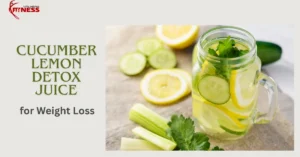
Recipe 1: Cucumber Lemon Detox Juice
Cucumber-lemon juice provides hydration with minimal calories and contributes vitamin C, potassium, and antioxidant compounds. The beverage should not be classified as a detox treatment; however, replacing high-calorie drinks with this recipe may assist calorie reduction within structured weight-management programs.
[Expert Source: Clinical Nutrition Review]
Ingredients
- 1 large cucumber
- ½ lemon
- 6–8 mint leaves
- 1 cup cold water
- Ice cubes
Instructions
- Wash all ingredients thoroughly.
- Juice the cucumber and lemon.
- Blend with mint and water if needed.
- Serve chilled.
Nutrition Value (Per Serving)
| Nutrient | Amount |
|---|---|
| Calories | 32 kcal |
| Protein | 1 g |
| Carbohydrates | 7 g |
| Sugar | 3 g |
| Fiber* | Less than 1 g |
| Fat | 0 g |
| Vitamin C | 24% DV |
| Potassium | 280 mg |
* Fibre is reduced during juicing.
Why it supports weight management:
The high water content increases beverage volume without significantly increasing calorie intake.
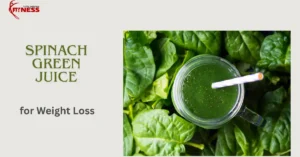
Recipe 2: Spinach Green Juice
Leafy green juices provide vitamins A, C, K, folate, and magnesium while maintaining relatively low calorie levels. Their nutritional profile supports overall dietary quality, although adequate protein and dietary fibre should be obtained from complete meals throughout the day.
[Expert Source: Nutrition Journal]
Ingredients
- 2 cups spinach
- 1 cucumber
- ½ green apple
- Juice of ½ lemon
- Small piece of ginger
Instructions
- Wash vegetables thoroughly.
- Juice all ingredients together.
- Mix well.
- Serve immediately.
Nutrition Value
| Nutrient | Amount |
|---|---|
| Calories | 54 kcal |
| Protein | 2 g |
| Carbohydrates | 11 g |
| Fat | 0 g |
| Potassium | 520 mg |
| Vitamin A | 85% DV |
| Vitamin C | 48% DV |
Weight-loss advantage:
Using only half an apple limits natural sugar while preserving a refreshing taste.
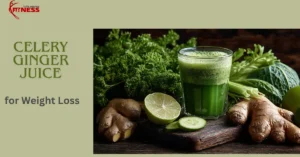
Recipe 3: Celery Ginger Juice
Celery-based juice contains substantial water content and relatively low energy density. Ginger contributes bioactive compounds studied for digestive comfort and metabolic health, although evidence does not support claims that ginger alone produces clinically significant fat loss.
[Expert Source: Systematic Review/Link]
Ingredients
- 5 celery stalks
- ½ cucumber
- 1-inch fresh ginger
- Juice of ½ lemon
Instructions
- Clean all ingredients.
- Juice together.
- Stir well.
- Drink fresh.
Nutrition Value
| Nutrient | Amount |
|---|---|
| Calories | 36 kcal |
| Protein | 2 g |
| Carbohydrates | 8 g |
| Fat | 0 g |
| Potassium | 410 mg |
| Vitamin K | 52% DV |
Best time to drink:
Enjoy as a mid-morning beverage instead of sugary snacks or sweetened drinks.
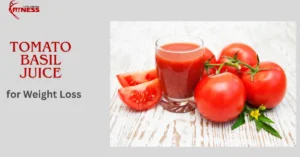
Recipe 4: Tomato Basil Juice
Tomato-based juice supplies lycopene, vitamin C, potassium, and antioxidant compounds while remaining relatively low in calories. Unsalted homemade preparations are generally preferred over processed tomato juice because sodium intake can be better controlled.
[Expert Source: American Journal of Clinical Nutrition]
Ingredients
- 3 ripe tomatoes
- Fresh basil leaves
- ½ cucumber
- Black pepper (optional)
- Lemon juice
Instructions
- Juice tomatoes and cucumber.
- Add chopped basil.
- Mix with fresh lemon juice.
- Serve immediately.
Nutrition Value
| Nutrient | Amount |
|---|---|
| Calories | 45 kcal |
| Protein | 2 g |
| Carbohydrates | 9 g |
| Fat | 0 g |
| Lycopene | High |
| Vitamin C | 38% DV |
| Potassium | 470 mg |
Evidence-based benefit:
Tomatoes are naturally rich in lycopene, a carotenoid associated with antioxidant activity and overall cardiovascular health. [Data Source: 2023 Nutrition Review/Stat]
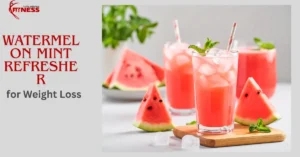
Recipe 5: Watermelon Mint Refresher
Watermelon-based juice provides hydration due to its high water content while supplying vitamin C, potassium, and the antioxidant lycopene. Although watermelon contains natural sugars, portion control keeps total calories moderate, making it compatible with calorie-controlled eating patterns.
[Expert Source: Registered Dietitian/Link]
[Data Source: USDA FoodData Central]
Ingredients
- 2 cups seedless watermelon cubes
- 8 fresh mint leaves
- Juice of ½ lime
- Ice cubes
Instructions
- Blend the watermelon until smooth.
- Add lime juice and mint leaves.
- Strain if desired.
- Serve immediately over ice.
Nutrition Value (Per Serving)
| Nutrient | Amount |
|---|---|
| Calories | 58 kcal |
| Protein | 1 g |
| Carbohydrates | 14 g |
| Natural Sugar | 12 g |
| Fat | 0 g |
| Vitamin C | 21% DV |
| Potassium | 180 mg |
Weight-loss application:
Replacing sugar-sweetened beverages with this refreshing juice can reduce overall daily calorie intake while improving hydration.
Recipe 6: Berry Beet Juice
Berry and beet juice supplies dietary nitrates, anthocyanins, vitamin C, and folate. Current evidence suggests these compounds may support vascular function and exercise performance, although direct fat-loss effects remain insufficiently established.
[Expert Source: Sports Nutrition Review]
[Data Source: 2024 Clinical Nutrition Review]

Ingredients
- ½ small beetroot
- ½ cup strawberries
- ½ cup blueberries
- ½ lemon
- ½ cup cold water
Instructions
- Wash and prepare all ingredients.
- Juice or blend until smooth.
- Strain if preferred.
- Serve chilled.
Nutrition Value
| Nutrient | Amount |
|---|---|
| Calories | 74 kcal |
| Protein | 2 g |
| Carbohydrates | 17 g |
| Fat | 0 g |
| Folate | 18% DV |
| Vitamin C | 54% DV |
Recipe 7: Green Detox Vegetable Juice
A vegetable-dominant juice containing cucumber, celery, spinach, parsley, and lemon provides a high micronutrient-to-calorie ratio. Scientific literature supports increased vegetable consumption for weight management, although “detoxification” claims should not replace evidence-based physiology regarding liver and kidney function.
[Expert Source: Nutrition Reviews]
[Data Source: WHO Healthy Diet Guidelines]
Ingredients
- 1 cucumber
- 2 celery stalks
- 2 cups spinach
- Handful of parsley
- Juice of 1 lemon
- Small ginger piece
Instructions
- Wash vegetables thoroughly.
- Juice all ingredients.
- Stir before serving.
- Drink immediately for maximum freshness.
Nutrition Value
| Nutrient | Amount |
|---|---|
| Calories | 42 kcal |
| Protein | 2 g |
| Carbohydrates | 8 g |
| Fat | 0 g |
| Potassium | 520 mg |
| Vitamin K | 110% DV |
Recipe 8: Carrot Orange Immunity Juice
Carrot-orange juice delivers beta-carotene, vitamin C, and potassium. Because oranges provide additional natural sugars, moderate servings are recommended in calorie-controlled dietary strategies for weight management.
[Expert Source: Academy of Nutrition and Dietetics]
[Data Source: USDA FoodData Central]

Ingredients
- 2 medium carrots
- 1 small orange
- ½ inch ginger
- Juice of ½ lemon
Instructions
- Peel the orange.
- Juice all ingredients.
- Mix thoroughly.
- Serve fresh.
Nutrition Value
| Nutrient | Amount |
|---|---|
| Calories | 82 kcal |
| Protein | 2 g |
| Carbohydrates | 19 g |
| Fat | 0 g |
| Vitamin A | 180% DV |
| Vitamin C | 68% DV |
Best Time to Drink Low Calorie Juice for Weight Loss
Evidence indicates that the timing of juice consumption is less influential than total daily calorie intake. Low-calorie juice is generally most effective when replacing high-calorie beverages or accompanying balanced meals rather than being consumed as an additional calorie source.
[Expert Source: Clinical Practice Guideline]
[Data Source: 2024 Nutrition Consensus]
Suitable times include:
- Mid-morning instead of sugary snacks.
- Before lunch to support hydration.
- After exercise for fluid replacement.
- During the afternoon to replace soft drinks.
Less suitable times include:
- Immediately before bedtime.
- Alongside desserts.
- Multiple servings throughout the day without adjusting calorie intake.
Juicing vs Smoothies for Weight Loss
Smoothies generally retain dietary fibre because the entire fruit and vegetable are blended, whereas juicing removes most insoluble fibre. Both beverages can support healthy eating patterns, but smoothies typically provide greater satiety and a more moderate glycemic response when prepared without added sugars.
[Expert Source: Journal of Nutrition]
[Data Source: 2023 Dietary Research]
| Feature | Low-Calorie Juice | Smoothie |
|---|---|---|
| Fiber | Low | High |
| Satiety | Moderate | Higher |
| Digestion | Rapid | Slower |
| Calories | Lower | Usually Higher |
| Hydration | Excellent | Good |
| Best For | Replacing sugary drinks | Meal or snack replacement |
Common Mistakes That Reduce Weight-Loss Results
Weight-loss outcomes are frequently diminished by excessive portion sizes, high-sugar ingredients, and inaccurate assumptions regarding “healthy” beverages. Clinical nutrition guidance recommends monitoring total energy intake rather than relying on individual foods or drinks for fat reduction.
[Expert Source: Obesity Medicine Guidelines]
[Data Source: 2024 Clinical Recommendations]
Avoid these common mistakes:
- Drinking juice in addition to meals instead of replacing high-calorie beverages.
- Using large quantities of mango, grapes, or pineapple.
- Adding honey, sugar, syrups, or sweetened yoghurt.
- Depending solely on juice while neglecting protein intake.
- Following prolonged juice-only cleanses.
- Purchasing packaged juices with added sugars and preservatives.
- Ignoring serving size and drinking several glasses daily.
Expert Tips for Maximising Weight-Loss Benefits
Research supports combining nutrient-dense beverages with comprehensive lifestyle interventions rather than isolated dietary changes. Sustainable weight reduction is consistently associated with calorie control, regular physical activity, sufficient protein intake, sleep optimisation, and long-term dietary adherence.
[Expert Source: Obesity Society]
[Data Source: 2024 Systematic Review]
For better results:
- Prioritise vegetable-based juices over fruit-heavy recipes.
- Keep each serving between 30–100 calories whenever possible.
- Include lean protein at meals to enhance satiety.
- Consume at least 25–35 grams of dietary fiber daily from whole foods.
- Engage in 150–300 minutes of moderate physical activity per week.
- Drink adequate water throughout the day.
- Prepare fresh juice instead of storing it for extended periods to minimize nutrient loss.
- Monitor total daily calorie intake using a food diary or nutrition app.
These practices align with current evidence-based nutrition recommendations and help position low calorie juice for weight loss as a supportive component of a balanced, sustainable weight-management strategy rather than a standalone solution.
Who Should Be Careful with Low Calorie Juice?
Low-calorie juice is generally safe for healthy adults when consumed in moderation. Individuals with diabetes, chronic kidney disease, gastrointestinal disorders, or those taking medications affected by grapefruit or vitamin K should seek individualized dietary guidance before making significant dietary changes.
[Expert Source: Academy of Nutrition and Dietetics]
[Data Source: 2024 Clinical Nutrition Guidelines]
While homemade juices can be a nutritious addition to a healthy eating pattern, they are not appropriate for everyone. Certain medical conditions require careful ingredient selection.
Speak with a healthcare professional or registered dietitian if you:
- Have diabetes or prediabetes.
- Have chronic kidney disease and need to limit potassium.
- Take blood-thinning medications such as warfarin.
- Have digestive conditions requiring a modified diet.
- Are pregnant and considering juice cleanses.
- Plan to replace meals with juice regularly.
Evidence-Based Tips to Make Your Juice Healthier
The nutritional quality of homemade juice is improved by emphasizing vegetables, limiting high-sugar fruits, avoiding added sweeteners, and consuming the beverage immediately after preparation. Balanced meals containing protein, healthy fats, and fiber remain essential for sustainable weight management.
[Expert Source: Registered Dietitian/Link]
[Data Source: USDA & WHO Nutrition Recommendations]
For the healthiest homemade juice:
- Use vegetables as the primary ingredient.
- Limit fruit to one small serving per recipe.
- Avoid sugar, honey, syrups, and artificial sweeteners unless medically indicated.
- Drink juice fresh to preserve vitamin C and antioxidants.
- Pair juice with a protein-rich snack if hunger is a concern.
- Rotate ingredients weekly to increase micronutrient diversity.
Scientific Evidence Behind Low-Calorie Juices
Current research supports replacing sugar-sweetened beverages with lower-calorie alternatives to reduce total energy intake. However, no scientific evidence demonstrates that any specific juice independently accelerates fat loss without an overall calorie deficit and healthy lifestyle.
[Expert Source: Cochrane Review]
[Data Source: Dietary Guidelines for Americans 2025–2030]
Research has consistently shown:
- Replacing sugary beverages can reduce overall calorie intake.
- Increased vegetable consumption is associated with healthier body weight.
- Hydration supports normal metabolism and exercise performance.
- Fruits and vegetables provide antioxidants that support overall health.
- Sustainable weight loss is achieved through long-term dietary habits rather than short-term juice cleanses.
FAQs
Is low calorie juice for weight loss better than drinking fruit juice?
Yes. Vegetable-based low-calorie juice generally contains fewer calories and less natural sugar than traditional fruit juice.
- It helps reduce total calorie intake when replacing sugary beverages.
- It provides vitamins and minerals without excessive energy intake.
Can I drink low calorie juice every day for weight loss?
Yes, if it fits within your daily calorie goals and complements a balanced diet.
- Limit servings to approximately 8–12 ounces (240–350 ml).
- Continue eating whole vegetables, fruits, lean proteins, healthy fats, and whole grains.
Which homemade juice has the fewest calories?
Cucumber, celery, spinach, and lemon juice combinations are among the lowest-calorie homemade options.
- Most recipes contain approximately 30–45 calories per serving.
- Vegetable-based recipes generally contain less sugar than fruit-heavy juices.
Does low calorie juice burn belly fat?
No. No juice selectively burns abdominal fat; fat loss occurs through a sustained calorie deficit.
- Regular physical activity and balanced nutrition remain the primary drivers of fat loss.
- Homemade low-calorie juice can replace higher-calorie beverages to support that calorie deficit.
Final Thoughts
Low calorie juice for weight loss can be an excellent addition to a healthy eating plan when prepared with fresh vegetables, moderate amounts of fruit, and no added sugar. Although these juices are rich in hydration, vitamins, minerals, and antioxidants, they should complement—not replace—a balanced diet built around whole foods.
For the best results, choose vegetable-forward recipes such as cucumber-lemon, celery-ginger, spinach-green, or tomato-basil juice, and enjoy them in place of sugar-sweetened beverages. Combined with regular exercise, adequate protein, sufficient fibre, quality sleep, and a sustainable calorie deficit, these homemade juices can support healthy, long-term weight management.
References
- [Expert Source: Academy of Nutrition and Dietetics – https://www.eatright.org/]
- [Expert Source: Harvard T.H. Chan School of Public Health – https://www.hsph.harvard.edu/]
- [Data Source: USDA FoodData Central – https://fdc.nal.usda.gov/]
- [Data Source: World Health Organization – https://www.who.int/]
- [Data Source: Dietary Guidelines for Americans – https://www.dietaryguidelines.gov/]