
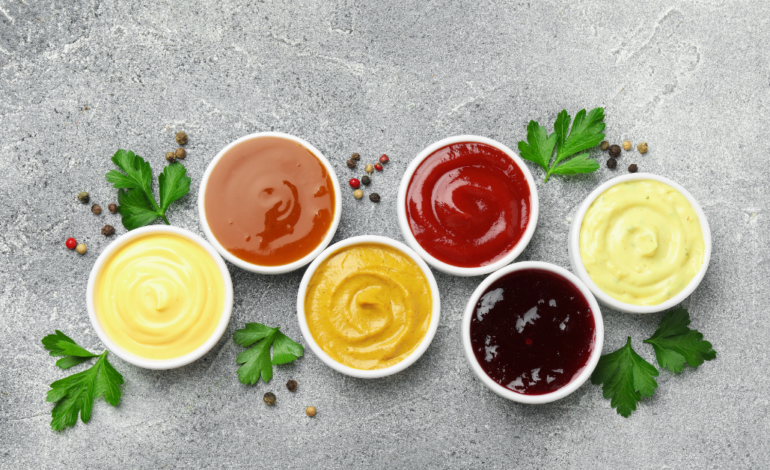

Low Calorie Sauces for Pasta: 15 Flavorful Options Under 100 Calories
Low calorie sauces for pasta are tomato-, vegetable-, broth-, yoghurt-, or other reduced-fat sauces designed to add flavouflwr and moisture while keeping calories, saturated fat, and often sodium lower than traditional cream- or cheese-heavy sauces. What Are the Best Low Calorie Sauces for Pasta? Research indicates that tomato-based, vegetable-based, broth-based, and reduced-fat yogurt sauces generally provide the most efficient calorie-to-flavor ratio for pasta. A controlled portion of sauce can add moisture, acidity, herbs, and savory compounds without substantially increasing meal energy density, particularly when butter, heavy cream, and large quantities of cheese are minimized. The best low calorie pasta sauces are usually marinara, roasted tomato sauce, spicy tomato sauce, vegetable puree sauce, lemon-garlic sauce, yogurt-herb sauce, and light pumpkin sauce. A practical target is approximately 30–100 calories per serving, although the exact value depends on ingredients and serving size. Best low calorie pasta sauce options These figures are recipe estimates rather than universal nutrition values because commercial products and homemade recipes can differ substantially. [Data Source: USDA FoodData Central / product nutrition labels should be used to verify final recipe-specific calorie values.] 15 Low Calorie Sauces for Pasta The lowest-calorie pasta sauces are typically produced by emphasizing vegetables, tomatoes, herbs, spices, citrus, broth, and low-fat dairy while limiting oils, butter, cream, and full-fat cheese. These formulations can maintain sauce volume and sensory intensity through acidity, umami, aromatics, and vegetable purees rather than relying primarily on dietary fat. 1. Classic Light Marinara Approximate calories: 40–70 per ½ cup. Marinara is one of the most practical choices when calorie control is the primary objective. A simple formulation uses crushed tomatoes, garlic, onion, basil, oregano, black pepper, and a small amount of olive oil. For an even lower-calorie version, reduce the oil rather than increasing sugar to compensate for acidity. Basic ingredients: Simmer for 15–25 minutes until the sauce thickens. 2. Garlic and Tomato Sauce Approximate calories: 35–65 per ½ cup. This sauce relies on tomato acidity and roasted garlic for flavour, allowing very little added fat to be used. Roasting or gently sautéing garlic develops a deeper flavor profile without requiring butter or cream. 3. Spicy Arrabbiata-Style Sauce Approximate calories: 40–70 per ½ cup. An arrabbiata-style sauce combines tomatoes, garlic, chilli flakes, herbs, and a small quantity of olive oil. The chilli component increases perceived flavour intensity without materially increasing calorie content. For people who enjoy spicy food, this is one of the easiest ways to make a lower-calorie pasta dish taste more substantial. 4. Roasted Red Pepper Sauce Approximate calories: 50–80 per ½ cup. Roasted red peppers provide sweetness, colour, moisture, and vegetable volume while remaining relatively low in calories. Blend roasted peppers with garlic, tomato, vegetable broth, black pepper, and a small amount of Greek yoghurt for a creamy texture without heavy cream. 5. Creamy Greek Yoghurt Garlic Sauce Approximate calories: 60–100 per ½ cup. Greek yogurt can provide a creamy texture with substantially less fat than heavy cream. Use plain, unsweetened Greek yogurt and combine it with garlic, lemon juice, black pepper, herbs, and a small amount of pasta water. Avoid boiling the yogurt aggressively because excessive heat can cause curdling. Quick formula: 6. Lemon Garlic Pasta Sauce Approximate calories: 40–70 per serving. Lemon juice creates acidity while garlic and herbs provide aromatic intensity. A small quantity of olive oil can be incorporated, but the sauce does not require butter or cream. This option works particularly well with shrimp, chicken, spinach, broccoli, zucchini, or peas. 7. Mushroom Garlic Sauce Approximate calories: 50–90 per ½ cup. Mushrooms provide substantial savory flavor and volume for relatively few calories. Sauté mushrooms with garlic, onion, black pepper, thyme, and a small amount of vegetable broth. For a creamy version, add a spoonful of low-fat Greek yoghurt after removing the pan from direct heat. 8. Pumpkin Pasta Sauce Approximate calories: 60–90 per ½ cup. Pure pumpkin can create a thick, creamy sauce without requiring large amounts of cream. Combine pumpkin puree with vegetable broth, garlic, black pepper, smoked paprika, and a modest amount of Parmesan. Pumpkin also contributes carotenoids and dietary fibre. 9. Butternut Squash Sauce Approximate calories: 70–100 per ½ cup. Roasted butternut squash can be blended with broth, garlic, sage, black pepper, and a small amount of Parmesan to create a naturally thick sauce. The vegetable puree increases sauce volume while reducing dependence on heavy dairy ingredients. 10. Spinach and Yogurt Sauce Approximate calories: 60–90 per ½ cup. Blend cooked spinach with plain Greek yogurt, garlic, lemon juice, black pepper, and a small amount of Parmesan. This sauce can increase vegetable intake while maintaining a creamy consistency. Vegetables are naturally relatively low in calories, although sauces and added fats can substantially increase their energy density. 11. Cauliflower Alfredo-Style Sauce Approximate calories: 70–100 per ½ cup. Cooked cauliflower can be blended with low-fat milk, garlic, black pepper, nutritional yeast, or a small amount of Parmesan to mimic the texture of a cream sauce. The technique reduces the amount of heavy cream required while retaining a thick mouthfeel. 12. Tomato Basil Sauce Approximate calories: 40–70 per ½ cup. Tomatoes, basil, garlic, black pepper, and a small amount of olive oil create a simple sauce with a high flavour-to-calorie ratio. Fresh basil can be added near the end of cooking to preserve its aromatic characteristics. 13. Broth-Based Herb Sauce Approximate calories: 30–60 per serving. A broth-based sauce can be made with low-sodium vegetable or chicken broth, garlic, parsley, oregano, lemon juice, black pepper, and a small amount of cornstarch or pasta water for body. The principal advantage is calorie control; the principal limitation is that commercial broth can contribute substantial sodium. The American Heart Association recommends comparing labels and choosing lower-sodium products when using prepared foods. 14. Fresh Tomato and Basil Sauce Approximate calories: 35–60 per ½ cup. Fresh tomatoes can be cooked briefly with garlic, basil, black pepper, and a small amount of olive oil. This sauce works particularly well during tomato season because ripe tomatoes provide sufficient acidity and natural sweetness without
Read More