
When people start searching for what to eat when sick, honestly, food matters more than most people realise.
I’ve worked with wellness-focused businesses and health content brands for years, and one thing always stands out: people either eat nothing when they’re sick, or they eat complete junk because “comfort food” sounds good in the moment. Bad move. Your body already fights a battle.
Don’t send it into war with cold fries and soda. Your immune system deserves better than gas-station snacks.
In this guide, I’ll break down the best foods, drinks, and recovery meals that actually help you bounce back faster.
Why Food Matters When You’re Sick
Your body burns extra energy when it fights illness. Fever, inflammation, congestion, and coughing all demand nutrients and hydration. If you eat the right foods, you support recovery. If you eat garbage, your body basically sends you an internal complaint letter.
Ever noticed how chicken soup suddenly feels magical when you’re sick? That’s not your grandma running a secret medical lab. Warm, nutrient-rich foods genuinely help reduce discomfort and support hydration.
Here’s what your body needs most during illness:
- Fluids to prevent dehydration
- Protein to repair tissues
- Vitamin C for immune support
- Zinc to help recovery
- Easy-to-digest carbs for energy
- Electrolytes to replace lost minerals
That’s why learning what to eat when sick can seriously change how fast you recover.
Best Foods to Eat When Sick
Chicken Soup Still Deserves the Hype
Yes, the classic chicken soup recommendation sounds like hype.
Warm broth helps loosen mucus, keeps you hydrated, and soothes a sore throat. Chicken also provides protein that supports healing. Add vegetables like carrots, celery, and garlic, and you’ve got a recovery powerhouse.
Why It Works
| Ingredient | Benefit |
|---|---|
| Chicken | Provides protein for recovery |
| Broth | Keeps hydration levels up |
| Garlic | Contains immune-support compounds |
| Carrots | Add vitamin A |
| Celery | Supports hydration |
Note, homemade soup works best because packaged versions often contain enough sodium to preserve a small submarine.
What to Drink When You’re Sick
Hydration Comes First
Most people underestimate dehydration during illness. Fever, sweating, vomiting, and diarrhoea drain fluids fast. Even congestion makes you lose moisture through constant mouth breathing.
Drink these regularly:
- Water
- Herbal tea
- Electrolyte drinks
- Clear broths
- Coconut water
- Warm lemon water
Avoid too much caffeine or alcohol. Your body doesn’t need a margarita recovery plan.
Herbal Teas That Actually Help
Ginger Tea
Ginger helps with nausea and inflammation. It also warms the body and feels comforting during colds.
Peppermint Tea
Peppermint may help open nasal passages and calm stomach discomfort.
Chamomile Tea
Chamomile promotes relaxation and better sleep. And honestly, sleep acts like free medicine.
Foods That Help With Specific Symptoms
What to Eat for a Sore Throat
A sore throat turns swallowing into a punishment. Soft, soothing foods work best.
Good Options
- Oatmeal
- Smoothies
- Mashed potatoes
- Applesauce
- Warm soup
- Scrambled eggs
What to Eat for Nausea
When nausea hits, bland foods help calm the stomach.
The BRAT Foods
| Food | Why It Helps |
|---|---|
| Bananas | Easy to digest and rich in potassium |
| Rice | Gentle on the stomach |
| Applesauce | Mild and soothing |
| Toast | Provides simple carbs |
Stick with small portions. Your stomach currently behaves like a drama queen, so don’t overwhelm it.
What to Eat for Congestion
Warm foods and spicy ingredients help thin mucus.
Helpful Choices
- Chicken soup
- Spicy broth
- Garlic-based dishes
- Ginger tea
- Warm curry
Ever wonder why spicy soup suddenly clears your nose? Capsaicin temporarily loosens congestion.
Immune-Boosting Foods That Support Recovery
Citrus Fruits
Oranges, lemons, grapefruits, and tangerines contain vitamin C, which supports immune function.
But let’s clear up a myth. Vitamin C doesn’t magically erase illness overnight. If it did, oranges would cost more than luxury watches.
Garlic
Garlic contains allicin, a compound linked to immune support. Many wellness brands heavily market garlic supplements, but honestly, fresh garlic in meals often works perfectly fine.
Yogurt
Yoghurt contains probiotics that support gut health. Since much of the immune system connects to the gut, balanced digestion matters during illness.
Choose plain yoghurt with live cultures instead of sugar-loaded dessert cups pretending to be healthy.
Honey
Honey may soothe coughing and throat irritation.
Quick Honey Remedy
Mix:
- 1 tablespoon honey
- Warm water
- Lemon juice
Simple. Cheap. Effective.
What to Eat When You Have the Flu
The flu drains energy fast. Your body needs calorie-dense but digestible foods.
Best Flu Recovery Foods
| Food | Main Benefit |
|---|---|
| Soup | Hydration and nutrients |
| Eggs | Protein and vitamins |
| Oatmeal | Gentle energy source |
| Immune booster tea | To fight infection |
| Rice | Easy digestion |
| Smoothies | Nutrient-packed hydration |
The key to what to eat when sick during flu recovery involves consistency. Eat small meals throughout the day instead of forcing huge portions.
Foods to Avoid When Sick
Some foods make symptoms worse. Unfortunately, comfort cravings often point directly toward these choices.
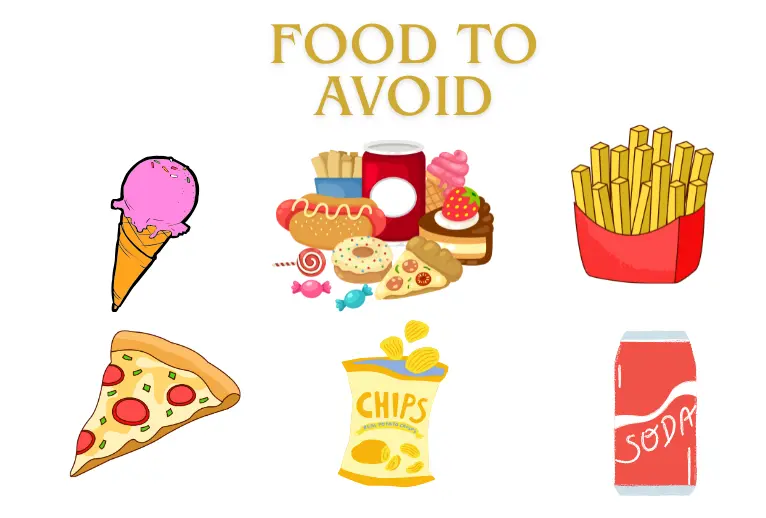
Fried Foods
Heavy grease slows digestion and can worsen nausea.
Sugary Snacks
Too much sugar may increase inflammation and energy crashes.
Dairy for Some People
Dairy doesn’t increase mucus for everyone, despite internet myths. But some people notice thicker congestion after milk-heavy meals.
Alcohol
Alcohol dehydrates you and disrupts sleep—bad combo.
Ultra-Processed Foods
Chips, candy, and fast food offer very little nutritional value. Your immune system can’t run efficiently on fluorescent cheese dust.
Easy Meal Ideas When You Feel Too Sick to Cook
Let’s be honest. Nobody wants to prepare gourmet meals while sick.
Quick Recovery Meals
Breakfast
- Oatmeal with banana
- Yoghurt with honey
- Toast with peanut butter
Lunch
- Chicken soup
- Rice with boiled eggs
- Turkey sandwich
Dinner
- Broth-based soup
- Mashed potatoes with grilled chicken
- Simple vegetable stew
Snacks
- Crackers
- Applesauce
- Fruit smoothies
I’ve worked with meal-prep businesses that specifically design “sick day meals,” and the most successful options always follow the same rule: simple beats fancy.
Best Foods for Stomach Bugs
Stomach viruses require a different strategy.
Focus on These
- Clear liquids
- Crackers
- Rice
- Bananas
- Boiled potatoes
- Plain pasta
Avoid These Completely
| Food | Problem |
|---|---|
| Spicy foods | Irritate the stomach |
| Greasy foods | Slow digestion |
| Soda | Causes bloating |
| Coffee | May worsen dehydration |
When your stomach revolts, bland foods become your best friends.
The Role of Protein During Illness
People often focus only on hydration, but protein matters too.
Your body uses protein to:
- Repair tissues
- Support immune cells
- Maintain muscle strength
- Improve recovery
Easy Protein Sources
- Eggs
- Chicken
- Greek yogurt
- Tofu
- Turkey
- Lentils
If appetite disappears, protein smoothies help a lot.
What to Eat When Sick if You Have No Appetite
Loss of appetite happens during many illnesses. Your body redirects energy toward healing, so eating feels less important.
Still, you need nutrients.
Small Foods That Work Well
Smoothies
Blend:
- Banana
- Yogurt
- Honey
- Frozen berries
Broth
Warm broth delivers hydration and electrolytes without feeling heavy.
Crackers and Toast
Plain carbs feel manageable when stronger flavours sound awful.
Sometimes you need “survival foods.” That’s fine. Nobody expects a five-course meal during a fever.
Natural Foods That May Support Immunity
Turmeric
Turmeric contains curcumin, which has anti-inflammatory properties.
Spinach
Spinach provides:
- Vitamin C
- Iron
- Antioxidants
Berries
Blueberries and strawberries contain antioxidants that help protect cells.
Sweet Potatoes
Sweet potatoes provide vitamin A, which supports immune defences.
People constantly ask wellness businesses for “superfoods,” but honestly, consistency matters more than trendy ingredients. A balanced diet beats expensive powders most of the time.
Best Recovery Foods After Being Sick
Once symptoms improve, focus on rebuilding strength.
Recovery Goals
- Restore hydration
- Rebuild energy
- Support digestion
- Increase protein intake
Smart Recovery Meals
| Meal | Why It Helps |
|---|---|
| Grilled chicken with rice | Protein and carbs |
| Vegetable soup | Nutrients and hydration |
| Smoothies | Easy calorie intake |
| Eggs with toast | Balanced energy |
Your body may feel weak for days after illness. Don’t rush recovery.
Common Mistakes People Make When Sick
Skipping Meals Completely
Even light meals help recovery.
Drinking Too Little Water
Dehydration sneaks up quickly during illness.
Overloading Supplements
More vitamins don’t always equal faster healing.
Eating Heavy Junk Food
Comfort eating sounds nice until nausea joins the party.
Ever eaten greasy takeout while sick and immediately regretted every life choice? Yeah, same.
How Sleep and Nutrition Work Together
Food alone won’t fix illness if you sleep four hours and scroll social media until 3 a.m.
Sleep helps:
- Immune regulation
- Tissue repair
- Hormone balance
- Recovery speed
Pair good sleep with smart nutrition for the best results.
Quick Checklist: What to Eat When Sick
Here’s a simple cheat sheet you can actually use.
Eat More Of:
- Soup
- Broth
- Bananas
- Rice
- Yogurt
- Oatmeal
- Eggs
- Citrus fruits
- Herbal tea
Eat Less Of:
- Fried foods
- Alcohol
- Sugary snacks
- Heavy fast food
- Excess caffeine
Simple works best when figuring out what to eat when sick.
FAQs
Can certain foods help you recover faster from illness?
Yes. Hydrating foods, protein-rich meals, and nutrient-dense ingredients support immune function and recovery. Foods like soup, yoghurt, fruit, eggs, and oatmeal often help most people feel better faster.
Is it better to eat less when you’re sick?
Not usually. You should still eat small, manageable meals even if your appetite drops. Your body needs energy and nutrients to fight illness. But some illnesses, like stomach issues or abdominal issues, you have to consult your doctor
What foods should you avoid during a cold or flu?
Avoid greasy foods, heavy processed snacks, spicy food, alcohol, and excessive sugar. These foods may worsen inflammation, dehydration, or digestive discomfort.
Final Thoughts
Knowing what to eat when sick sounds simple, but the right foods genuinely make recovery easier. Hydration, protein, warm meals, and nutrient-rich ingredients help your body fight back more effectively.
You don’t need expensive wellness trends or magical detox drinks. Most of the time, basic foods work best. Soup, fruit, tea, oatmeal, and rest still beat flashy internet hacks. Funny how the boring advice keeps winning, right?
The next time illness hits, skip the junk food panic mode. Feed your body something useful, stay hydrated, get proper sleep, and let your immune system do its job. Your future self will thank you.