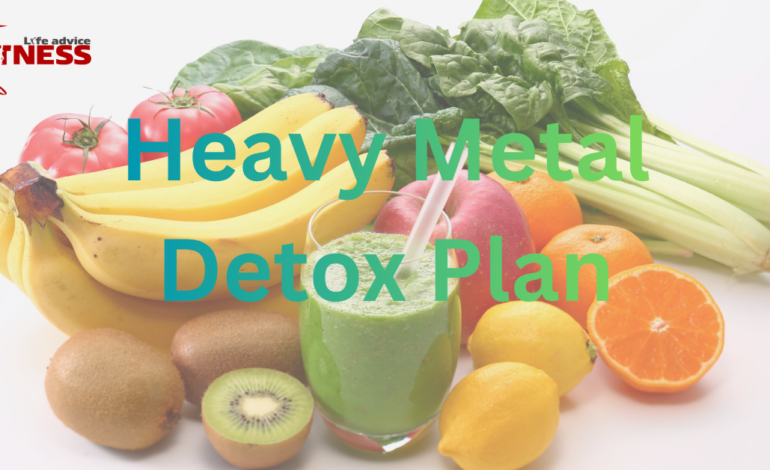

Heavy Metal Detox: What It Is, Why It Matters, and How to Do It Safely
Ever feel tired for no obvious reason, struggle with brain fog, or wonder why your energy levels seem stuck in first gear? You’re not alone. Many health-conscious people have become interested in heavy metal detox as a way to support overall wellness and reduce exposure to potentially harmful metals.
As someone who has worked in the health content and wellness industry for years, I’ve seen growing interest in detoxification strategies. Some people expect a miracle overnight, while others think detoxing sounds like something only celebrities do. The truth sits somewhere in the middle.
Detoxification is very important to clean out heavy metals from our bodies. which may damage our body and liver.
What Is a Heavy Metal Detox?
A heavy metal detox refers to a process designed to help the body remove accumulated heavy metals that may come from food, water, air pollution, household products, or occupational exposure.
Your body already has natural detoxification systems. Your liver, kidneys, digestive system, and skin work around the clock to remove waste products.
However, excessive exposure to certain metals may place additional stress on these systems.
Common Heavy Metals of Concern
| Heavy Metal | Common Sources | Potential Health Concerns |
|---|---|---|
| Lead | Old paint, contaminated water | Cognitive issues, fatigue |
| Mercury | Certain fish, industrial pollution | Nervous system effects |
| Arsenic | Groundwater, rice products | Digestive and neurological issues |
| Cadmium | Cigarette smoke, industrial waste | Kidney and bone concerns |
| Aluminum | Food additives, cookware | Potential neurological concerns |
Why Are People Interested in Heavy Metal Detox?
Many people become interested in detoxification after experiencing symptoms they can’t easily explain.
Could heavy metals be responsible for every headache, bad mood, and Monday morning feeling? Probably not. If they were, coffee shops would be out of business. 🙂
Still, excessive exposure may contribute to certain health concerns.
Possible Signs of Heavy Metal Exposure
Some commonly reported symptoms include:
- Fatigue
- Brain fog
- Headaches
- Digestive discomfort
- Joint pain
- Poor concentration
- Mood changes
- Sleep problems
- Muscle weakness
It’s important to remember that these symptoms can result from many different causes. Always consult a healthcare professional for proper testing and diagnosis.
How Heavy Metals Enter the Body
Understanding exposure sources helps you make smarter choices.
Through Food
Some foods naturally absorb metals from soil and water.
Examples include:
- Certain seafood
- Rice products
- Leafy vegetables grown in contaminated soil
- Imported food products from polluted areas
Through Water
Old plumbing systems may introduce lead or other contaminants into drinking water.
Through Air Pollution
Industrial emissions and vehicle exhaust can contribute to environmental exposure.
Through Occupations
People working in industries such as:
- Construction
- Mining
- Manufacturing
- Welding
- Battery production
may face higher exposure risks.
The Body’s Natural Detoxification System
Before spending money on expensive detox products, it helps to understand something important.
Your body already has an incredible detox system.
The Liver
The liver acts as the body’s primary filtration centre.
It:
- Breaks down toxins
- Processes waste
- Supports elimination
The Kidneys
The kidneys continuously filter blood and remove waste through urine.
The Digestive System
Healthy digestion helps eliminate unwanted substances through bowel movements.
The Skin
Sweating provides another pathway for waste removal.
A successful heavy metal detox often focuses on supporting these natural systems rather than replacing them.
Best Foods for Heavy Metal Detox Support
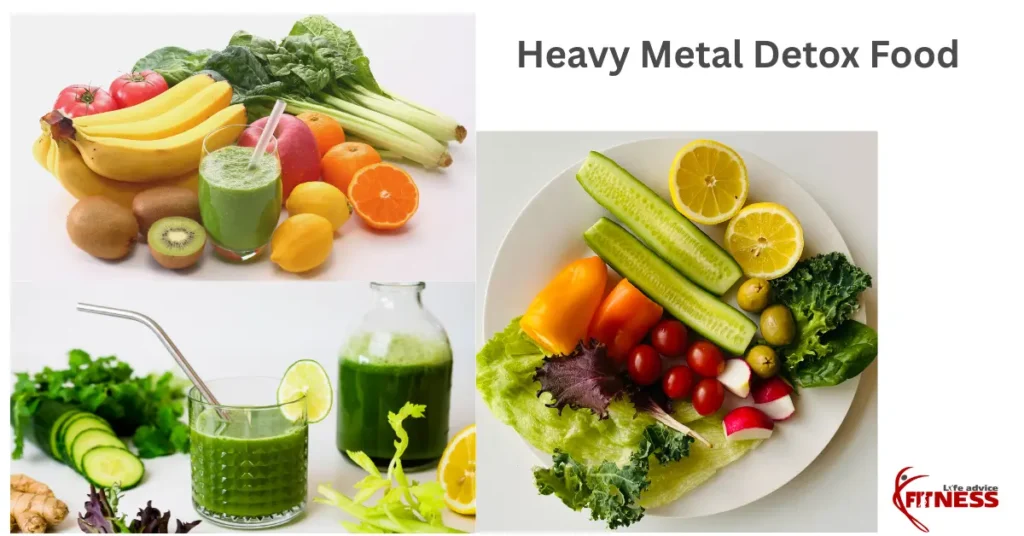
Food plays a major role in supporting detoxification.
Cilantro
Cilantro remains one of the most talked-about detox foods. Many wellness enthusiasts believe cilantro may help support the body’s natural elimination processes.
Garlic
Garlic contains sulfur compounds that support liver function.
Benefits may include:
- Antioxidant protection
- Immune support
- Detoxification support
Leafy Greens
Popular options include:
- Spinach
- Kale
- Swiss chard
- Arugula
These vegetables provide vitamins, minerals, and antioxidants.
Blueberries
Blueberries contain powerful antioxidants that help combat oxidative stress.
Broccoli
Broccoli supports liver detox pathways and provides valuable nutrients.
Heavy Metal Detox Foods Comparison Table
| Food | Main Nutrient | Detox Support Potential |
|---|---|---|
| Cilantro | Antioxidants | Supports natural elimination |
| Garlic | Sulfur compounds | Supports liver function |
| Broccoli | Sulforaphane | Supports detox enzymes |
| Blueberries | Anthocyanins | Antioxidant protection |
| Spirulina | Protein & antioxidants | Popular detox supplement |
| Chlorella | Chlorophyll | Often used in detox protocols |
Chlorella and Spirulina: Do They Help?
Two supplements often mentioned in heavy metal detox discussions are chlorella and spirulina.
Chlorella
Chlorella is a freshwater algae rich in:
- Chlorophyll
- Protein
- Vitamins
- Minerals
Many practitioners include it in detox protocols.
Spirulina
Spirulina offers:
- Antioxidants
- Essential amino acids
- Vitamins
People often combine spirulina with other detox-supportive foods.
Which One Is Better?
IMO, neither should be viewed as a magic solution.
Both may support overall wellness, but research continues to evolve. A balanced diet and healthy lifestyle still provide the strongest foundation.
Hydration and Heavy Metal Detox
Want one of the simplest detox strategies available?
Drink enough water.
Hydration supports:
- Kidney function
- Digestion
- Circulation
- Waste elimination
Daily Water Intake Guidelines
| Group | Recommended Daily Intake |
|---|---|
| Adult Women | 2–3 litres |
| Adult Men | 3–4 litres |
| Active Individuals | Additional intake needed |
| Hot Climate Residents | Increased intake needed |
FYI, expensive detox waters rarely outperform plain clean water.
Lifestyle Habits That Support Detoxification
Food alone won’t do all the work.
Healthy habits matter just as much.
Exercise Regularly
Physical activity supports:
- Blood circulation
- Sweating
- Metabolic function
Popular options include:
- Walking
- Cycling
- Swimming
- Strength training
- Yoga
Prioritize Sleep
Your body performs important repair processes during sleep.
Aim for:
- 7–9 hours nightly
- Consistent sleep schedule
- Reduced screen time before bed
Manage Stress
Chronic stress can negatively affect overall health.
Helpful techniques include:
- Meditation
- Deep breathing
- Journaling
- Nature walks
Heavy Metal Detox Profile Table
| Category | Details |
|---|---|
| Topic Name | Heavy Metal Detox |
| Purpose | Support natural removal of heavy metals from the body |
| Main Focus | Nutrition, hydration, lifestyle support |
| Common Metals Addressed | Lead, mercury, arsenic, cadmium |
| Key Foods | Cilantro, garlic, broccoli, blueberries |
| Important Organs | Liver, kidneys, digestive system |
| Lifestyle Factors | Sleep, exercise, stress management |
| Best Approach | Long-term healthy habits |
| Suitable For | Adults seeking wellness support |
| Professional Guidance | Recommended for suspected exposure |
Author Bio
| Information | Details |
|---|---|
| Author | Health & Wellness Content Specialist |
| Experience | Several years of creating evidence-based health and nutrition content |
| Specialty Areas | Nutrition, fitness, detoxification, and healthy lifestyle education |
| Professional Focus | Simplifying complex health topics for everyday readers |
| Mission | Helping readers make informed wellness decisions through practical and trustworthy information |
| Writing Style | Conversational, research-based, and easy to understand |
What to Avoid During a Heavy Metal Detox
Many people focus only on what to add. Smart detox plans also consider what to reduce.
Consider limiting:
- Highly processed foods
- Excess alcohol
- Smoking
- Excess sugar
- Unfiltered water from questionable sources
Reducing exposure often matters just as much as supporting elimination.
FAQs
What are the signs of heavy metal toxicity?
Common signs include fatigue, brain fog, headaches, digestive issues, and difficulty concentrating.
What foods help with heavy metal detox?
Foods like cilantro, garlic, broccoli, spinach, blueberries, and chlorella are commonly used to support detoxification.
Which heavy metals are most harmful?
Lead, mercury, arsenic, and cadmium are among the most concerning heavy metals for human health.
How can I test for heavy metals?
Doctors can use blood, urine, or other laboratory tests to check for heavy metal exposure.
What is chelation therapy?
Chelation therapy is a medical treatment used to remove certain heavy metals from the body under professional supervision.
Conclusion
If your body feels an unnecessary load on your body and your behaviour is going to dull day by day, then you need to detoxify your body. Heavy metal detox drinks, supplements, and food may help you feel better, fresher, and more energetic.
Sometimes you think your energy level is down just because of the workload, but this is actually the food you are eating. Just try a glass of detox drink at this time, and you will see the results.
So, just need to change lifestyle habits. Focus on your diet. Wash the food carefully. Eat healthy and avoid smoky and dusky environment. If it needed, then cover your face with a mask.