
The hiatal hernia diet is not some strict punishment plan. It’s more like a smart way of eating that helps your stomach stop acting like it’s in a constant protest. As someone working in nutrition content and seeing real user feedback from digestive health readers, I can tell you—small food changes often make a big difference.
So let’s break it down in a simple, no-drama way.
What Exactly Is a Hiatal Hernia?
A hiatal hernia happens when part of your stomach pushes upward through the diaphragm. Sounds fancy, but basically your stomach takes a little “shortcut” upward where it doesn’t belong.
This creates problems like acid reflux because stomach acid travels upward more easily.
Ever wondered why lying down after pizza feels like a bad life decision? Yeah, that’s exactly the kind of issue we’re talking about.
Common Symptoms

Here are the usual suspects:
- Burning chest pain after eating
- Acid reflux that keeps coming back
- Feeling full too quickly
- Burping more than usual
- Throat irritation or cough
- Worse symptoms when lying down
Why the Hiatal Hernia Diet Matters So Much
Here’s the truth: you cannot “eat your way” to completely fix a hernia. But you absolutely can control symptoms with the right hiatal hernia diet.
Food directly affects:
- Stomach acid levels
- Pressure inside the abdomen
- Digestion speed
- Reflux frequency
Best Foods for a Hiatal Hernia Diet
Now let’s talk about the good stuff—the foods to avoid acid reflux .
Lean Proteins
Lean protein is your best friend here.
Good options include:
- Chicken (grilled or boiled)
- Fish
- Eggs
- Turkey
- Tofu
These foods digest more easily and don’t overload your stomach with fat.
High-Fiber Foods
Fibre keeps digestion smooth and prevents pressure buildup.
Add these:
- Oats
- Brown rice
- Apples
- Pears
- Carrots
- Sweet potatoes
Non-Citrus Fruits
Stick to:
- Bananas
- Melons
- Apples
- Pears
- Papaya
Vegetables That Actually Help
Your plate should look colourful—but calm.
Try:
- Spinach
- Zucchini
- Cucumber
- Pumpkin
- Green beans
Cook them lightly if raw veggies irritate you.
Foods to Avoid
Trigger Foods List
Avoid or limit:
- Fried foods (yes, fries included)
- Spicy foods
- Tomato-based sauces
- Chocolate (painful truth)
- Coffee
- Carbonated drinks
- Fatty meats
FYI, soda is basically a reflux trigger in a bottle.
Foods Comparison Table
| Eat More Of | Eat Less Of |
|---|---|
| Oats | Fried snacks |
| Bananas | Citrus fruits |
| Grilled chicken | Fried chicken |
| Vegetables | Spicy curries |
| Water | Carbonated drinks |
7-Day Hiatal Hernia Diet Meal Plan
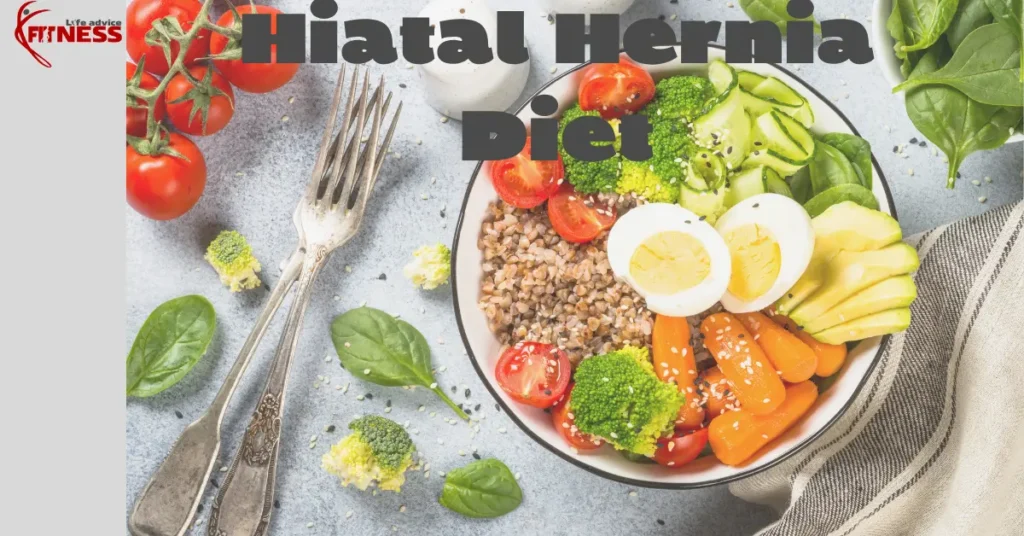
This simple plan helps reduce acid reflux, improve digestion, and support symptom control.
1 Day
- Breakfast: Oatmeal + banana
- Lunch: Grilled chicken + brown rice + spinach
- Dinner: Vegetable soup + whole wheat toast
2 Day
- Breakfast: Boiled eggs + toast
- Lunch: Fish + steamed carrots + rice
- Dinner: Lentil soup + cucumber salad
3 Day
- Breakfast: Banana smoothie (low-fat milk)
- Lunch: Chicken wrap (no spicy sauce)
- Dinner: Pumpkin soup + boiled potatoes
4 Day
- Breakfast: Oats + apple slices
- Lunch: Grilled fish + zucchini
- Dinner: Rice + boiled vegetables
5 Day
- Breakfast: Yogurt + banana
- Lunch: Chicken + sweet potatoes
- Dinner: Vegetable stew
6 Day
- Breakfast: Whole wheat toast + egg
- Lunch: Lentils + brown rice
- Dinner: Light chicken soup
7 Day
- Breakfast: Oatmeal + pear
- Lunch: Grilled chicken salad
- Dinner: Steamed vegetables + rice
This hiatal hernia diet plan keeps meals light, balanced, and reflux-friendly.
Best Drinks for a Hiatal Hernia Diet
Let’s talk drinks because people underestimate this a lot.
Safe Options
- Water (your best friend, seriously)
- Herbal tea (chamomile, ginger)
- Coconut water
- Low-fat milk (if tolerated)
Avoid These
- Soda
- Coffee (or limit heavily)
- Energy drinks
- Alcohol (big trigger)
Meal Timing Strategy (Super Important)
The hiatal hernia diet isn’t just about food—it’s also about timing.
Follow This Simple Rule:
- Eat every 3–4 hours
- Avoid large meals
- Stop eating at least 3 hours before bed
Lifestyle Changes That Support the Diet
Let’s be real: food alone doesn’t fix everything.
Smart Habits That Help:
- Sleep with your head slightly elevated
- Avoid tight clothing around the stomach
- Maintain a healthy body weight
- Take short walks after meals
- Avoid bending immediately after eating
Ever wondered why even healthy people still get reflux? Because habits matter just as much as food.
Eating Behaviour Tips
Your hiatal hernia diet works better when you change how you eat, not just what you eat.
Do This:
- Eat slowly
- Chew properly
- Don’t overfill your plate
- Avoid emotional eating
Don’t Do This:
- Late-night heavy meals
- Eating while lying on the couch
- Eating too fast (your stomach hates that more than you think)
What Science Says About Hiatal Hernia Diet
Research shows that diet and lifestyle changes don’t “cure” a hiatal hernia, but they significantly reduce symptoms like acid reflux and heartburn.
A low-fat, high-fibre eating pattern helps reduce pressure on the stomach and improves digestion speed. That means less acid sitting around and fewer chances of reflux.
Studies in digestive health journals consistently show:
- High-fat meals delay stomach emptying
- Large meals increase abdominal pressure
- Acidic and spicy foods trigger reflux symptoms
- Weight management reduces symptom severity
So when we talk about the hiatal hernia diet, we’re really talking about a symptom-management strategy backed by digestive physiology, not random food rules someone made up online.
Common Myths About Hiatal Hernia Diet
Let’s clear up some confusion (because the internet loves drama).
Myth 1: “You can cure a hiatal hernia with diet”
Nope. You can’t reverse the physical structure with food. But you can control symptoms really well.
Myth 2: “You must avoid all fats”
Not true. Healthy fats like olive oil and avocado are fine in moderation.
Myth 3: “Only spicy food causes reflux”
Spicy food is just one trigger. Fatty meals, overeating, and timing matter just as much.
Myth 4: “Coffee is always forbidden”
Not necessarily. Some people tolerate small amounts. Others don’t. Your body decides here.
IMO, personalisation matters more than strict rules.
Common Mistakes People Make on a Hiatal Hernia Diet
Let’s be honest—most people don’t fail because of the diet itself. They fail because of habits.
The biggest mistakes include:
- Eating large meals at night
- Skipping meals and overeating later
- Drinking soda with meals
- Lying down immediately after eating
- Ignoring portion sizes
FAQs
1. Can a hiatal hernia diet completely stop acid reflux?
A hiatal hernia diet can significantly reduce acid reflux symptoms, but it doesn’t guarantee a complete stop. The results depend on consistency, portion control, and lifestyle habits. Most people notice improvement within a few weeks if they stay consistent.
2. What is the best breakfast for a hiatal hernia?
The best breakfast includes low-fat, easy-to-digest foods like oatmeal, bananas, or boiled eggs. These foods reduce stomach irritation and help you start the day without triggering reflux.
3. Can I drink coffee on a hiatal hernia diet?
Coffee can trigger symptoms in many people, but not everyone reacts the same way. If you tolerate it, limit it to small amounts and avoid drinking it on an empty stomach.
Dietitian Final Insight
From a practical standpoint, the hiatal hernia diet works best when you stop thinking of it as a “diet” and start seeing it as a lifestyle adjustment.
We’ve seen readers improve symptoms just by:
- Reducing portion sizes
- Avoiding late-night eating
- Cutting back on trigger foods
- Staying consistent for 2–3 weeks