
Living with adenomyosis can feel like your body has decided to ignore every rule of comfort. One day you’re fine, and the next you’re dealing with cramps, bloating, fatigue, and heavy periods that seem to have their own agenda. That’s why many women search for an effective anti-inflammatory diet for adenomyosis to help manage symptoms naturally.
The good news? Food can play a surprisingly powerful role in supporting hormonal balance and reducing inflammation. While diet won’t cure adenomyosis, the right eating habits may help reduce discomfort and improve overall quality of life.
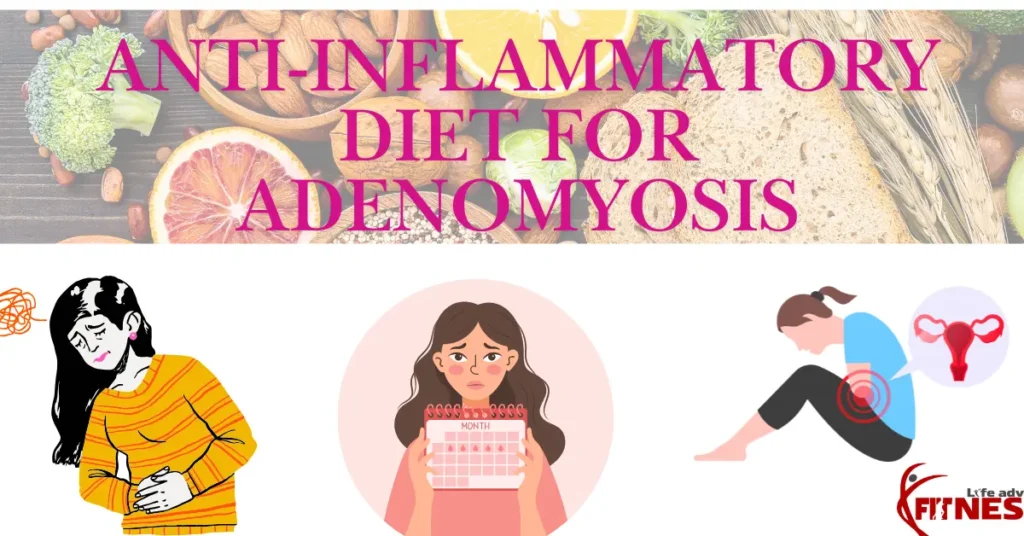
What Is Adenomyosis?
Adenomyosis occurs when tissue similar to the uterine lining grows into the muscular wall of the uterus.
Common symptoms include:
- Heavy menstrual bleeding
- Severe cramping
- Pelvic pain
- Bloating
- Fatigue
- Pain during intercourse
- Lower back pain
Many researchers believe chronic inflammation contributes to symptom severity. That’s where an anti-inflammatory diet for adenomyosis may provide meaningful support.
Why Inflammation Matters in Adenomyosis
Inflammation acts like an overprotective security guard. It means well, but sometimes it creates more chaos than the original problem.
When inflammation remains elevated for long periods, it may:
- Increase pelvic pain
- Worsen bloating
- Contribute to hormonal imbalances
- Intensify menstrual symptoms
- Increase fatigue
Following an anti-inflammatory diet for adenomyosis helps provide nutrients that calm inflammatory processes within the body.
Scientific Research Supporting an Anti-Inflammatory Diet for Adenomyosis
Many women choose an anti-inflammatory diet for adenomyosis because emerging research suggests that inflammation plays a major role in symptom development. While diet cannot cure adenomyosis, scientific studies suggest that certain nutrients may help reduce inflammation and support reproductive health.
Research Shows Adenomyosis Is an Inflammatory Condition
A 2025 review published in the National Library of Medicine described adenomyosis as an estrogen-dependent chronic inflammatory disease. Researchers identified elevated levels of inflammatory markers, including IL-6, TNF-α, IL-1β, NF-κB, and COX-2, in adenomyosis tissue. These inflammatory pathways may contribute to pelvic pain, heavy menstrual bleeding, infertility, and disease progression.
This finding helps explain why many healthcare professionals recommend dietary strategies that focus on reducing chronic inflammation.
How an Anti-Inflammatory Diet Helps Adenomyosis
Reduced Pelvic Pain
Many anti-inflammatory foods contain antioxidants and compounds that may help reduce inflammatory markers.
Better Hormonal Balance
Hormones influence adenomyosis symptoms significantly. Nutrient-rich foods support healthy hormone metabolism.
Improved Energy Levels
Have you ever noticed how exhausting chronic pain can be?
A balanced diet rich in vitamins and minerals helps support energy production and overall wellness.
Better Digestive Health
Many women with adenomyosis also experience digestive discomfort. Anti-inflammatory foods often contain fibre that supports gut health.
Best Foods to Eat for Adenomyosis
Fatty Fish
Fatty fish provide omega-3 fatty acids, which possess strong anti-inflammatory properties.
Examples include:
- Salmon
- Sardines
- Mackerel
- Trout
Aim for 2–3 servings weekly.
Leafy Green Vegetables
Greens provide vitamins, minerals, and antioxidants that support inflammation control.
Top choices:
- Spinach
- Kale
- Swiss chard
- Arugula
Berries
Berries offer powerful antioxidant compounds.
Best options:
- Blueberries
- Strawberries
- Blackberries
- Raspberries
Research shows that berries may be tiny, but they pack more nutritional power than many expensive supplements.
Olive Oil
Extra virgin olive oil contains beneficial compounds that help reduce inflammation.
Use it for:
- Salad dressings
- Roasted vegetables
- Healthy cooking
Nuts and Seeds
Excellent choices include:
- Walnuts
- Almonds
- Chia seeds
- Flaxseeds
- Pumpkin seeds
These foods fit perfectly into an anti-inflammatory diet for adenomyosis because they provide healthy fats and important minerals.
Top Anti-Inflammatory Foods and Their Benefits
| Food | Key Nutrient | Potential Benefit |
|---|---|---|
| Salmon | Omega-3 Fatty Acids | Supports inflammation control |
| Spinach | Magnesium | Supports muscle relaxation |
| Blueberries | Antioxidants | Helps combat oxidative stress |
| Walnuts | Healthy Fats | Supports hormonal health |
| Turmeric | Curcumin | May reduce inflammation |
| Flaxseeds | Lignans | Supports estrogen balance |
| Avocado | Monounsaturated Fats | Supports heart and hormone health |
Foods to Avoid with Adenomyosis
Not all foods support healing.
Some foods may promote inflammation and worsen symptoms.
Processed Foods
Examples include:
- Fast food
- Packaged snacks
- Processed meats
Refined Sugar
Excess sugar may contribute to inflammatory responses.
Watch out for:
- Soft drinks
- Candy
- Sweetened cereals
- Bakery products
Excessive Alcohol
Alcohol may increase inflammation and affect hormone balance.
Refined Carbohydrates
Limit:
- White bread
- White pasta
- Pastries
- Sugary breakfast foods
- Bakery items
Following an anti-inflammatory diet for adenomyosis means reducing these foods whenever possible.
Foods to Limit vs Foods to Choose
| Limit These Foods | Choose These Foods Instead |
|---|---|
| White Bread | Whole Grain Bread |
| Soda | Water or Herbal Tea |
| Processed Snacks | Nuts and Seeds |
| Fried Foods | Baked Foods |
| Sugary Desserts | Fresh Fruit |
| Processed Meat | Fish and Lean Protein |
The Role of Fibre in Adenomyosis
Why Fibre Matters
Fibre helps support healthy estrogen metabolism.
Benefits include:
- Better digestion
- Reduced constipation
- Improved gut health
- Hormone balance support
High-Fiber Foods
- Oats
- Lentils
- Beans
- Vegetables
- Fruits
- Whole grains
Many experts consider fibre a cornerstone of an anti-inflammatory diet for adenomyosis.
Sample 7-Day Anti-Inflammatory Diet Plan for Adenomyosis
Day 1
Breakfast: Oatmeal with blueberries and flaxseeds
Lunch: Grilled salmon with quinoa and spinach salad
Dinner: Vegetable soup with lentils
Snack: Almonds
Day 2
Breakfast: Greek yoghurt with berries
Lunch: Chickpea salad with onion, cucumber and lemon
Dinner: Baked fish with steamed broccoli
Snack: Apple slices
Day 3
Breakfast: Smoothie with spinach, banana, and chia seeds
Lunch: Turkey lettuce wraps
Dinner: Brown rice with vegetables
Snack: Walnuts
Day 4
Breakfast: Whole-grain toast with avocado
Lunch: Lentil soup
Dinner: Grilled chicken and roasted vegetables
Snack: Mixed berries
Day 5
Breakfast: Chia pudding
Lunch: Quinoa bowl with vegetables
Dinner: Salmon with sweet potatoes
Snack: Pumpkin seeds
Day 6
Breakfast: Vegetable omelette
Lunch: Spinach salad with grilled chicken
Dinner: Bean chilli
Snack: Pear
Day 7
Breakfast: Oats with strawberries
Lunch: Tuna salad
Dinner: Baked cod with vegetables
Snack: Almonds
This meal plan aligns closely with an effective anti-inflammatory diet for adenomyosis.
Note: Add ginger, turmeric and lemon in the form of green tea daily.
Take a glass of water with 1 tbsp of chia seeds soaked overnight and take it in the early morning daily.
Can Certain Supplements Help with food?
Omega-3 Fatty Acids
Omega-3 fatty acids found in salmon, sardines, flaxseeds, chia seeds, and walnuts have demonstrated anti-inflammatory effects in multiple studies.
A systematic review and meta-analysis published in the European Journal of Clinical Pharmacology found that omega-3 supplementation significantly reduced the severity of menstrual pain in women with dysmenorrhea. Researchers believe omega-3s help by lowering the production of inflammatory prostaglandins that trigger uterine contractions and pain.
Antioxidant-Rich Foods May Help Combat Oxidative Stress
Researchers have observed increased oxidative stress in several inflammatory gynaecological disorders. Fruits, vegetables, herbs, and whole foods contain antioxidants that help neutralise free radicals and protect cells from damage.
Foods rich in antioxidants include:
- Blueberries
- Strawberries
- Spinach
- Kale
- Broccoli
- Green tea
- Extra virgin olive oil
Magnesium
Supports muscle function and may help with cramps.
Vitamin D
Low vitamin D levels often appear in women with inflammatory conditions.
Research published in Frontiers in Endocrinology reported that vitamin D deficiency is common among women of reproductive age and may affect reproductive health through its role in immune and inflammatory pathways. Researchers also noted that vitamin D may help regulate inflammatory signalling mechanisms associated with reproductive disorders.
Good dietary sources include:
- Fatty fish
- Egg yolks
- Fortified dairy products
- Fortified plant-based milk
Always consult your healthcare provider before starting supplements.
Lifestyle Habits That Support an Anti-Inflammatory Diet
Regular Exercise
Activities such as:
- Walking
- Swimming
- Yoga
- Cycling
help support circulation and overall health.
Stress Management
Ever notice how symptoms seem worse during stressful periods?
Stress may increase inflammatory responses.
Helpful techniques include:
- Meditation
- Deep breathing
- Journaling
- Nature walks
Quality Sleep
Aim for 7–9 hours nightly.
Your body performs much of its repair work during sleep. IMO, sleep remains one of the most underrated health tools available 🙂
Common Mistakes When Following an Anti-Inflammatory Diet
Expecting Overnight Results
Dietary improvements require consistency.
Ignoring Hydration
Water supports digestion and overall health.
Focusing Only on Food
Exercise, stress management, and sleep matter too.
Eating “Healthy” Processed Foods
Some products market themselves as healthy while containing excessive sugar and additives. Sneaky, right?
Frequently Asked Questions
1. What is the best anti-inflammatory diet for adenomyosis?
The best anti-inflammatory diet for adenomyosis focuses on vegetables, fruits, whole grains, healthy fats, fatty fish, nuts, seeds, and minimally processed foods while limiting sugar and refined carbohydrates.
2. Can diet cure adenomyosis?
No. Diet cannot cure adenomyosis. However, it may help reduce inflammation, improve hormonal balance, and support symptom management.
3. How long does it take to see results?
Many women notice improvements within 4–12 weeks of consistently following an anti-inflammatory eating pattern and healthy lifestyle habits.
Research Summary Table
| Research Area | Key Findings | Practical Dietary Action |
|---|---|---|
| Inflammatory Cytokines | IL-6, TNF-α, IL-1β and other inflammatory markers are elevated in adenomyosis. | Focus on anti-inflammatory foods daily. |
| Omega-3 Fatty Acids | May reduce menstrual pain and inflammatory prostaglandins. | Eat fatty fish 2–3 times weekly. |
| Vitamin D | Supports immune and reproductive health. | Maintain adequate vitamin D levels. |
| Antioxidants | Help reduce oxidative stress and cellular damage. | Eat colourful fruits and vegetables. |
| Dietary Fiber | Supports estrogen metabolism and gut health. | Aim for 25–35 grams of fibre daily. |
Conclusion
A well-planned anti-inflammatory diet for adenomyosis can become a valuable tool for managing symptoms naturally. By focusing on nutrient-dense foods, reducing inflammatory triggers, supporting hormone balance, and maintaining healthy lifestyle habits, many women experience meaningful improvements in comfort and overall well-being.
Remember, small changes often create the biggest long-term results. You don’t need a perfect diet. You need a sustainable one. Start with one meal, one healthier choice, and one positive habit at a time. Your future self will thank you for it.