

Introduction
A low-potassium diet is often recommended for people living with kidney disease, chronic kidney failure, adrenal disorders, or those taking medications that raise potassium levels in the blood. This 7 day meal plan for low potassium diet is designed to provide meal ideas while helping keep potassium intake under control.
Potassium is an essential mineral that helps regulate muscle contractions, nerve function, and heart rhythm, consuming too much can become dangerous when the body cannot remove excess potassium efficiently.
Many people worry that reducing potassium means giving up flavorful meals or eating the same foods every day. Fortunately, that is far from the truth. With smart food choices and proper meal planning, a low-potassium diet can still be enjoyable, balanced, and nutritious.
What Is a Low Potassium Diet?
A low-potassium diet usually limits potassium intake to around 2,000 to 3,000 milligrams per day, depending on a person’s medical condition and laboratory results.
Foods generally considered low in potassium contain less than 200 milligrams of potassium per serving.
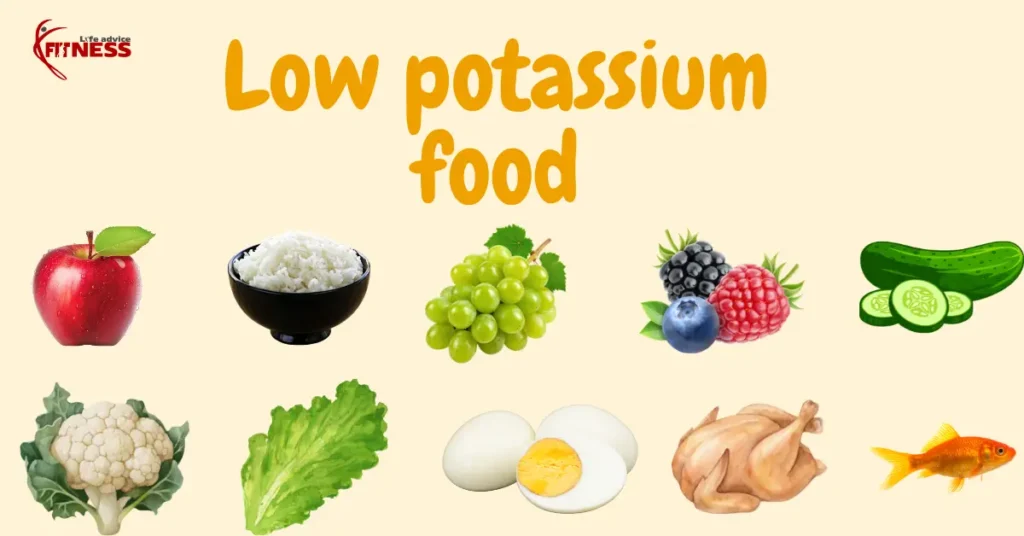
Common Low-Potassium Foods
- White rice
- Pasta
- White bread
- Apples
- Grapes
- Berries
- Pineapple
- Cabbage
- Cauliflower
- Cucumbers
- Green beans
- Lettuce
- Eggs
- Chicken
- Fish
- Turkey
Foods Often Limited on a Low-Potassium Diet
- Bananas
- Oranges
- Potatoes
- Tomatoes
- Avocados
- Spinach
- Dried fruits
- Beans
- Nuts
- Chocolate
Why does controlling potassium matter?
Potassium helps maintain normal muscle and nerve function, but high blood potassium levels, known as hyperkalemia, can become serious.
According to the National Kidney Foundation, elevated potassium may lead to:
- Muscle weakness
- Fatigue
- Tingling sensations
- Irregular heartbeat
- Heart rhythm abnormalities
Severe hyperkalemia can become a medical emergency if left untreated.
Scientific Information About Potassium and Kidney Health
Healthy kidneys filter extra potassium from the blood and remove it through urine. When kidney function declines, potassium can build up in the bloodstream.
Research published in the Clinical Journal of the American Society of Nephrology has shown that managing dietary potassium intake is an important part of treatment for patients with chronic kidney disease who experience elevated potassium levels.
The Kidney Disease Outcomes Quality Initiative (KDOQI) guidelines also support individualised potassium restriction when blood potassium levels remain high despite medical treatment.
This is why healthcare professionals often recommend carefully planned meal patterns rather than simply avoiding random foods.
7 Day Meal Plan for Low-Potassium Diet
Day 1
Breakfast
- A Scrambled egg with white toast
- A small serving of strawberries
- Herbal tea
Morning Snack
- one apple
Lunch
- Grilled chicken breast
- White rice
- Steamed green beans
Afternoon Snack
- Veggie sandwich
Dinner
- Baked fish
- Cabbage salad
- green tea
Day 2
Breakfast
- Oatmeal made with water
- Blueberries
Morning Snack
- Rice cakes
Lunch
- Turkey sandwich on white bread with lettuce and cucumber
- Small pear
Afternoon Snack
- Pasta with garlic and olive oil
Dinner
- Roasted chicken
- Steamed cauliflower
Day 3
Breakfast
- Pancakes with maple syrup
- Fresh grapes or apple
Morning Snack
- Unsalted popcorn
Lunch
- Tuna salad sandwich
- Cucumber slices
Afternoon Snack
- A small bowl of blueberries and grapes
Dinner
- Beef stir-fry with cabbage
- White rice
Day 4
Breakfast
- Egg omelette with onions and bell peppers
- White toast
Morning Snack
- Strawberries
Lunch
- Grilled chicken wrap with lettuce
- A small serving of pineapple
Afternoon Snack
- Vanilla biscuits
Dinner
- Baked turkey meatballs
- 1 serving chicken pasta with carrot, cabbage and bell pepper
Day 5
Breakfast
- French toast
- Blueberries
Morning Snack
- Rice crackers
Lunch
- Chicken salad sandwich
- Cabbage slaw
- moringa green tea
Afternoon Snack
- Fresh grapes
Dinner
- Grilled fish
- White rice
- Roasted cauliflower
Day 6
Breakfast
- Scrambled eggs
- English muffin
- Apple slices
Morning Snack
- Unsalted pretzels
Lunch
- Turkey burger on white bun
- Lettuce salad
Afternoon Snack
- Pear slices
Dinner
- Chicken pasta salad
- Cucumber and cabbage mix
Day 7
Breakfast
- Waffles with honey
- boiled egg
Morning Snack
- Strawberries
Lunch
- Tuna pasta salad
- Lettuce and cucumber salad
Afternoon Snack
- Applesauce
Dinner
- Roasted chicken breast
- White rice
- Green beans
Table: Low Potassium Foods to Include More Often
| Food | Approximate Potassium per Serving |
|---|---|
| Apple | 195 mg |
| Grapes | 175 mg |
| Strawberries | 150 mg |
| White rice | 35 mg |
| Cabbage | 120 mg |
| Cauliflower | 175 mg |
| White bread | 37 mg |
| Egg | 63 mg |
Table: Higher Potassium Foods Commonly Limited
| Food | Approximate Potassium per Serving |
| Banana | 422 mg |
| Potato | 620 mg |
| Avocado | 485 mg |
| Spinach | 420 mg |
| Orange | 237 mg |
| Tomato sauce | 405 mg |
| Sweet potato | 540 mg |
| Dried apricots | 755 mg |
Tips for Following a Low Potassium Diet Successfully
Read Food Labels Carefully
Processed foods sometimes contain potassium additives such as potassium chloride, which can significantly increase intake.
Watch Portion Sizes
Even low-potassium foods can contribute large amounts of potassium if eaten in excessive portions.
Learn the Leaching Method
For vegetables such as potatoes, slicing them thinly and boiling them in a large amount of water can remove some potassium. This technique is known as leaching.
Stay Hydrated
Proper hydration supports kidney health unless your doctor has advised fluid restriction.
Work With a Dietitian
Potassium needs vary widely from person to person, especially among individuals receiving dialysis or managing chronic kidney disease.
Benefits of Following a Structured Meal Plan
A structured meal plan offers several advantages:
- Reduces the risk of accidental high potassium intake.
- Makes grocery shopping easier.
- Supports heart health.
- Improves dietary variety.
- Reduces stress around meal decisions.
Following a planned approach such as this 7 day meal plan for low potassium diet can make long-term management much easier.
Frequently Asked Questions
Can I eat bananas on a low potassium diet?
Bananas are relatively high in potassium and are often limited or avoided depending on your potassium allowance.
Is milk allowed on a low potassium diet?
Milk contains moderate amounts of potassium. Small portions may fit into some meal plans, but your healthcare provider should guide your intake.
Can I eat potatoes if I have high potassium levels?
Potatoes are naturally high in potassium. Leaching and boiling can reduce potassium content, but portion size still matters.
Are eggs low in potassium?
Yes. Eggs contain relatively small amounts of potassium and are commonly included in low-potassium meal plans.
Can I eat peanut butter on a low potassium diet?
Peanut butter contains moderate potassium levels. Small portions may be acceptable for some people but not for others.
Who should follow a low potassium diet?
People with chronic kidney disease, kidney failure, adrenal disorders, or persistent hyperkalemia are the most common candidates for potassium restriction.
Conclusion
Managing potassium intake does not mean sacrificing nutrition or flavour. Choosing lower-potassium fruits, vegetables, grains, and proteins allows individuals to enjoy satisfying meals while protecting their health.
This 7 day meal plan for low potassium diet provides a practical starting point for building healthy eating habits and reducing the risk of elevated potassium levels. Because potassium needs differ from person to person, always consult your doctor or registered dietitian before making major dietary changes.
With proper planning, informed food choices, and regular monitoring, living well on a low-potassium diet is entirely achievable.