

Following the best diet to keep teeth white isn’t only about choosing the right foods. Your eating habits matter just as much.
Eat Staining Foods with Meals
Coffee or berries won’t automatically ruin your smile. Problems usually start when people sip or snack on staining foods all day long. Malic acid, found in some citrus fruits, helps in teeth whitening. The best sources of malic acid are:
- Green apples (highest source)
- Grapes
- Peaches
- Carrots
- Broccoli
- Bananas
- Tomatoes
- Rhubarb
- Pears
- Cherries
Eating these foods during a balanced meal reduces their contact time with your teeth.
Drink Plenty of Water
Water remains your best friend.
A simple glass of water after coffee or tea helps rinse away pigments before they settle on your enamel.
Honestly, this tiny habit costs almost nothing but offers surprisingly good results.
Avoid Constant Snacking
Every snack gives bacteria another opportunity to produce acids.
Instead of grazing throughout the day, stick to regular meals whenever possible.
Your teeth appreciate the break.
Foods That Help vs. Foods That Hurt
| Foods That Help | Foods That May Stain |
| Milk | Coffee |
| Cheese | Black tea |
| Yogurt | Red wine |
| Apples | Cola |
| Carrots | Energy drinks |
| Celery | Dark berries |
| Spinach | Tomato sauce |
| Broccoli | Soy sauce |
| Almonds | Balsamic vinegar |
| Water | Artificially colored drinks |
Remember, you don’t need to eliminate every colourful food from your life.
Common Mistakes That Make Teeth Look Yellow
Many people unknowingly damage their enamel while trying to whiten their teeth.
Brushing Too Hard
More pressure doesn’t mean cleaner teeth.
Aggressive brushing gradually wears away enamel, making yellow dentin easier to see.
A soft-bristled toothbrush usually works much better.
Drinking Acidic Beverages All Day
Lemon water, soda, sports drinks, and fruit juices contain acids.
Sipping them for hours exposes your enamel to continuous acid attacks.
Instead, drink them with meals and rinse with water afterwards.
Forgetting Protein
Protein-rich foods help maintain healthy teeth because they provide phosphorus and other essential nutrients.
Don’t build every meal around processed carbohydrates.
Can Certain Foods Whiten Teeth Instantly?
Let’s clear up one of the biggest myths.
No food magically whitens teeth overnight.
Some fruits and vegetables gently polish surface stains, but healthy eating produces gradual improvements rather than dramatic instant results.
If someone promises “snow-white teeth in one day,” your wallet should probably run away before you do.
Best Drinks for a Whiter Smile
Choose these beverages more often:
- Plain water
- Milk
- Unsweetened herbal tea
- Unsweetened green tea
- Sparkling water without added sugar
Limit these drinks:
- Sugary soda
- Coffee with flavoured syrups
- Sweetened iced tea
- Energy drinks
- Colored sports drinks
IMO, simply replacing one sugary drink each day with water may become one of the easiest improvements you can make.
Lifestyle Tips That Support a White Smile
Diet works best when combined with healthy daily habits.
Try these simple practices:
- Brush twice every day with fluoride toothpaste.
- Floss once daily.
- Visit your dentist every six months.
- Avoid tobacco products.
- Limit added sugar.
- Chew sugar-free gum after meals if brushing isn’t possible.
- Stay hydrated throughout the day.
These habits support both oral health and overall wellness.
Scientific Research Behind Diet and Tooth Colour
Several studies support the connection between nutrition and oral health.
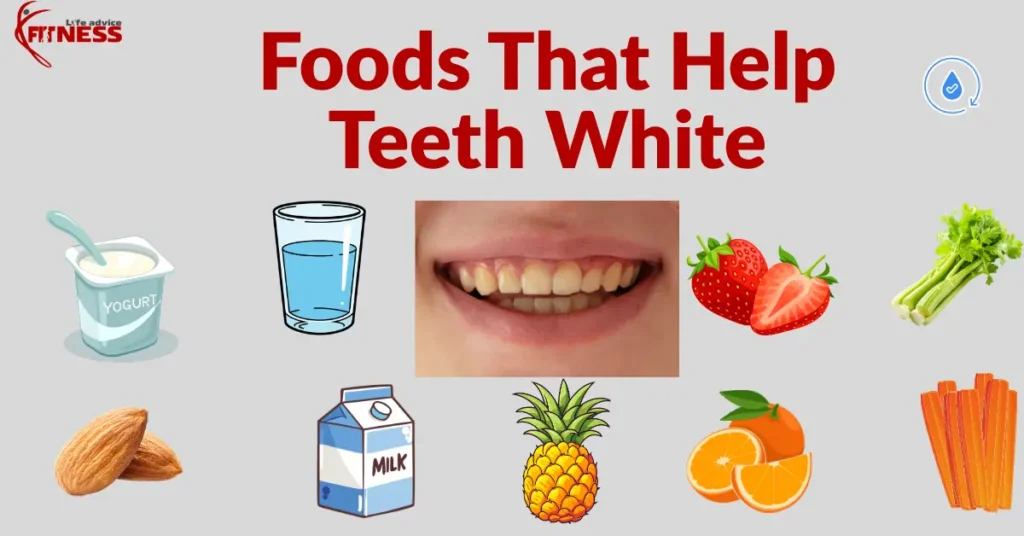
Research suggests that:
- Calcium and phosphorus help maintain strong enamel.
- Vitamin D improves calcium absorption.
- Crunchy fruits and vegetables increase saliva production.
- Reduced sugar intake lowers the risk of tooth decay.
- Good oral hygiene combined with healthy nutrition produces the best long-term results.
While diet alone won’t replace professional dental care, it plays an important role in protecting your smile.
Who Should Follow This Diet?
This eating plan works well for:
- Adults wanting naturally whiter teeth
- Teenagers building healthy habits
- Coffee and tea drinkers
- People with mild surface stains
- Anyone looking to improve oral health through nutrition
Foods to Include Every Week
Consistency matters more than perfection. Instead of chasing the latest “miracle” food, build your meals around a variety of nutrient-rich options.
Aim to include these foods every week:
- Milk, yoghurt, and cheese for calcium and phosphorus
- Leafy greens like spinach and kale
- Crunchy vegetables such as carrots and celery
- Fresh fruits, including apples and pears
- Lean proteins like chicken, fish, eggs, and beans
- Healthy nuts and seeds
- Plenty of water throughout the day
Following the best diet to keep teeth white becomes a contributor approach means making these foods part of your routine instead of treating them as occasional additions.
Quick Daily Checklist for Naturally White Teeth
Use this simple checklist to stay on track.
- Drink 8–10 glasses of water every day.
- Eat at least one crunchy fruit daily.
- Include one calcium-rich food with your meals.
- Limit sugary drinks and snacks.
- Brush twice daily with fluoride toothpaste.
- Floss every evening.
- Rinse your mouth with water after coffee or tea.
- Visit your dentist for regular checkups
FAQs
1. What is the best diet to naturally keep teeth white?
The best diet includes calcium-rich dairy products, crunchy fruits, vegetables, lean proteins, leafy greens, and plenty of water. These foods support strong enamel and help reduce surface stains. Following the best diet to keep teeth white becomes a contributing strategy that consistently offers better long-term results than relying only on whitening products.
2. Which foods should I avoid to prevent yellow teeth?
Limit foods and drinks that commonly stain enamel, including:
- Coffee
- Black tea
- Cola
- Red wine
- Sugary soft drinks
- Dark-colored sauces
You don’t need to eliminate them. Drink water afterwards and maintain good oral hygiene to reduce staining.
3. Can diet replace professional teeth whitening?
No. Diet supports healthy enamel and helps prevent new stains, but it cannot permanently remove deep discolouration. Combining a healthy diet, proper brushing, flossing, and regular dental visits delivers the best results.
Conclusion
A naturally bright smile starts long before you pick up a toothbrush. Every meal gives you a chance to strengthen your enamel, nourish your gums, and reduce the risk of stains. While no single food can transform your teeth overnight, a balanced diet filled with calcium-rich foods, crunchy fruits and vegetables, lean proteins, and plenty of water can make a noticeable difference over time.
From our experience creating health and nutrition content, we’ve seen one simple truth again and again: readers achieve the best results when they focus on sustainable habits instead of shortcuts. Fancy whitening products may grab attention, but healthy eating delivers benefits that extend far beyond your smile.
If you’re ready to improve your oral health, start with one small change today. Add an apple to your lunch, swap a sugary drink for water, or include more leafy greens at dinner. Those simple choices may seem small now, but they can help you build a healthier, brighter smile for years to come.
After all, your teeth work hard for you every day. Giving them the right nutrition is one of the easiest ways to return the favour.