
Ascites is a condition in which excess fluid collects in the abdomen, often due to advanced liver disease. Still, it can also develop because of heart failure, kidney disease, or certain cancers. While medications and medical procedures are important treatments, nutrition plays an equally vital role. A low-sodium diet for ascites is considered one of the most effective lifestyle strategies to help control fluid retention and reduce symptoms.
First of all, you need to understand how sodium affects the body, which can make daily meal planning much easier. I will explain the science behind sodium restriction, the best foods to eat, foods to avoid, and practical tips to make healthy eating both simple and enjoyable.
What Is Ascites?
Ascites is the abnormal accumulation of fluid inside the abdominal cavity. The condition most commonly occurs as a complication of liver cirrhosis, although it may also develop from:
- Chronic liver disease
- Heart failure
- Kidney disorders
- Certain cancers
- Severe infections
Common symptoms include:
- Swollen abdomen
- Rapid weight gain
- Feeling full quickly
- Difficulty breathing
- Reduced appetite
- Discomfort while moving or sleeping
Managing ascites usually requires medications called diuretics, limiting sodium intake, monitoring body weight, and regular follow-up with a healthcare provider.
Why Is a Low-Sodium Diet for Ascites Important?
Sodium is an essential mineral, but consuming too much causes the body to retain water. In people with ascites, the kidneys already struggle to remove excess sodium efficiently due to hormonal changes caused by liver disease.
When sodium intake is high:
- More water stays in the bloodstream.
- Extra fluid leaks into the abdomen.
- Swelling becomes worse.
- Diuretics become less effective.
A low-sodium diet for ascites helps reduce fluid retention, improves the effectiveness of medications, and may decrease the need for repeated abdominal fluid drainage (paracentesis).
What Does Science Say?
Several medical organisations strongly recommend sodium restriction as a cornerstone of ascites treatment.
According to the American Association for the Study of Liver Diseases (AASLD) and the European Association for the Study of the Liver (EASL):
- Sodium intake should generally be limited to 2,000 mg (2 grams) per day, which equals approximately 5 grams of table salt.
- Sodium restriction combined with prescribed diuretics improves fluid control in many patients.
- Severe sodium restriction below recommended levels is usually unnecessary because it may reduce appetite and contribute to malnutrition.
Research published in medical journals such as Hepatology has consistently shown that reducing dietary sodium significantly improves ascites management and enhances response to medical therapy.
How Much Sodium Is Too Much?
Many processed foods contain hidden sodium.
Here is a simple guide:
| Sodium Intake | Effect |
|---|---|
| Less than 2,000 mg/day | Recommended for most people with ascites |
| 2,000–3,000 mg/day | May worsen fluid retention |
| Over 3,500 mg/day | High risk of worsening ascites |
Always read nutrition labels carefully because sodium can add up quickly.
Best Foods to Eat on a Low-Sodium Diet
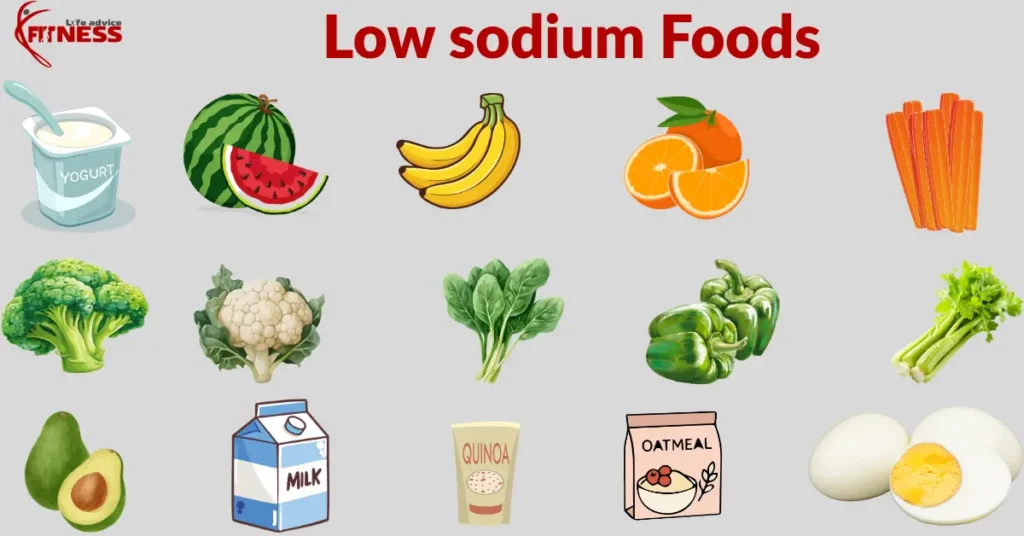
Fresh, minimally processed foods are naturally low in sodium.
Fresh Fruits
Excellent choices include:
- Apples
- Pears
- Bananas
- Berries
- Grapes
- Oranges
- Watermelon
- Papaya
These provide vitamins, antioxidants, and hydration without excess sodium.
Fresh Vegetables
Choose:
- Spinach
- Broccoli
- Carrots
- Cucumbers
- Bell peppers
- Lettuce
- Cauliflower
- Green beans
- Cabbage
Fresh vegetables contain potassium and fibre that support overall health.
Lean Protein Sources
Good options include:
- Skinless chicken
- Turkey
- Fresh fish
- Eggs
- Fresh lean beef (in moderation)
- Tofu
- Unsalted beans prepared at home
- Pulses should be added with the skin, like yellow moong, green moong
Protein intake is especially important because people with liver disease often experience muscle loss.
Whole Grains
Healthy choices include:
- Brown rice
- Oats
- Whole wheat pasta
- Quinoa
- Barley
- Whole grain bread labelled “low sodium”
Healthy Fats
Include moderate amounts of:
- Olive oil
- Avocado
- Unsalted nuts
- Unsalted seeds
Foods to Avoid
Many foods contain surprisingly large amounts of sodium.
Avoid or limit:
Processed Meats
- Bacon
- Sausage
- Ham
- Salami
- Hot dogs
- Deli meats
Canned Foods
Unless labelled “No Salt Added”:
- Soups
- Vegetables
- Beans
- Pasta sauces
Fast Food
Common high-sodium choices include:
- Burgers
- Pizza
- Fried chicken
- French fries
- Sandwiches
Salty Snacks
Avoid:
- Potato chips
- Pretzels
- Salted popcorn
- Salted peanuts
- Crackers
Condiments
Many sauces contain hidden sodium:
- Soy sauce
- BBQ sauce
- Ketchup
- Pickles
- Salad dressings
- Teriyaki sauce
Smart Ways to Add Flavour Without Salt
Reducing sodium doesn’t mean food has to taste bland.
Try seasoning meals with:
- Garlic
- Onion
- Lemon juice
- Lime juice
- Fresh parsley
- Basil
- Oregano
- Rosemary
- Black pepper
- Paprika
- Ginger
- Turmeric
Herbs and spices enhance flavour naturally while keeping sodium intake low.
Sample One-Day Low Sodium Meal Plan
Breakfast
- Oatmeal cooked with milk
- Banana slices
- egg boiled
- Herbal tea
Morning Snack
- Apple
- Plain Greek yoghurt
Lunch
- Grilled chicken breast
- Brown rice with a pinch of salt
- Steamed broccoli
- Mixed green salad with olive oil and lemon dressing
Afternoon Snack
- Carrot sticks
- Green tea
Dinner
- Baked salmon
- Roasted sweet potato
- Steamed green beans
- After dinner, 30 min exercise
Evening Snack
- Fresh berries
This meal plan provides balanced nutrition while helping keep sodium below recommended levels.
Table 1: Sodium Content of Common Foods
| Food | Serving Size | Approximate Sodium (mg) | Recommended for Ascites? |
|---|---|---|---|
| Fresh Chicken Breast | 100 g | 70–80 | ✅ Yes |
| Fresh Salmon | 100 g | 50–60 | ✅ Yes |
| Brown Rice (Cooked) | 1 cup | 5–10 | ✅ Yes |
| Oatmeal (Plain) | 1 cup | 2–5 | ✅ Yes |
| Apple | 1 medium | 1 | ✅ Yes |
| Fresh Spinach | 1 cup | 20–25 | ✅ Yes |
| Canned Soup | 1 cup | 700–1,000 | ❌ Avoid |
| Deli Turkey | 2 oz | 500–700 | ❌ Avoid |
| Potato Chips | 1 oz | 150–250 | ❌ Limit |
| Soy Sauce | 1 tablespoon | 900–1,000 | ❌ Avoid |
| Frozen Pizza | 1 serving | 700–1,200 | ❌ Avoid |
| Instant Noodles | 1 package | 1,200–1,800 | ❌ Avoid |
Note: Sodium values are approximate and may vary depending on the brand. Always check the Nutrition Facts label before purchasing packaged foods.
Table 2: Foods to Choose vs. Foods to Avoid on a Low Sodium Diet for Ascites
| Choose More Often ✅ | Limit or Avoid ❌ |
|---|---|
| Fresh fruits | Processed meats (ham, bacon, sausage) |
| Fresh vegetables | Canned soups with added salt |
| Homemade vegetable soup | Instant noodles |
| Grilled chicken or fish | Fast food burgers and fries |
| Brown rice and quinoa | Frozen ready-made meals |
| Plain oatmeal | Salted breakfast cereals |
| Unsalted nuts and seeds | Salted nuts and snack mixes |
| Eggs | Pickles and olives |
| Olive oil | Soy sauce, barbecue sauce, and teriyaki sauce |
| Herbs, garlic, lemon juice, and spices | Table salt, sea salt, and garlic salt |
Practical Grocery Shopping Tips
Shopping wisely makes sodium restriction much easier.
Remember to:
- Buy fresh foods whenever possible.
- Read nutrition labels carefully.
- Choose products labelled “Low Sodium.”
- Select frozen vegetables without added sauces.
- Avoid seasoning packets.
- Cook meals at home more often.
- Rinse canned beans if low-sodium versions aren’t available.
- Compare brands because sodium levels vary widely.
Can Drinking Water Make Ascites Worse?
Many people think drinking less water automatically improves ascites.
This is not always true.
Unless your doctor specifically recommends fluid restriction, drinking normal amounts of water is usually safe. Fluid restriction is generally reserved for patients with low blood sodium (hyponatremia) or other specific medical conditions.
Always follow your healthcare provider’s recommendations instead of limiting fluids on your own.
Lifestyle Tips to Help Control Ascites
In addition to following a low sodium eating plan:
- Take medications exactly as prescribed.
- Weigh yourself daily.
- Avoid alcohol completely if liver disease is present.
- Stay physically active as tolerated.
- Attend regular medical appointments.
- Monitor abdominal swelling.
- Report sudden weight gain to your healthcare provider.
Common Mistakes People Make
Many patients unknowingly consume excess sodium.
Frequent mistakes include:
- Using sea salt instead of table salt (both contain sodium). The U.S. Department of Agriculture analysis shows that 1/4 teaspoon contains:
- Himalayan salt: An estimated 380 mg of sodium
- Sea salt: An estimated 540 milligrams (mg) of sodium
- Eating restaurant meals regularly.
- Choosing “healthy” processed foods without checking labels.
- Drinking vegetable juice high in sodium.
- Overusing soy sauce.
- Ignoring serving sizes on nutrition labels.
Small daily choices make a significant difference over time.
Frequently Asked Questions
What is the recommended sodium intake for ascites?
Most liver specialists recommend limiting sodium to approximately 2,000 mg (2 grams) per day, unless your healthcare provider advises otherwise.
Can I eat salt substitutes?
Not always. Many salt substitutes contain potassium, which may not be safe for people taking certain medications or those with kidney disease. Always ask your doctor first.
Is Himalayan pink salt better than regular salt?
No. Himalayan salt, sea salt, kosher salt, and table salt all contain sodium and should be limited similarly.
Can I eat restaurant food?
You can, but it requires careful choices. Request meals without added salt, ask for sauces on the side, and choose grilled rather than processed foods.
Does a low-sodium diet cure ascites?
No. A low sodium diet does not cure ascites, but it is one of the most effective ways to reduce fluid buildup, improve treatment response, and support overall health.
How quickly does sodium restriction work?
Many people notice reduced fluid retention within several days to a few weeks when sodium restriction is combined with prescribed medications. Results vary depending on the underlying cause and overall health.
Conclusion
Living with ascites can be challenging, but nutrition is one of the most powerful tools you have to help manage the condition. A low sodium diet for ascites supports your body’s ability to reduce fluid retention, improves the effectiveness of prescribed medications, and may decrease complications associated with excessive abdominal fluid.
Focus on fresh fruits, vegetables, whole grains, lean proteins, and home-cooked meals while avoiding processed foods high in hidden sodium. Reading nutrition labels, using herbs instead of salt, and following your healthcare provider’s recommendations can make a meaningful difference in your health.
Although diet alone cannot cure ascites, combining a low-sodium diet for ascites with appropriate medical treatment offers the best chance of improving symptoms, maintaining better quality of life, and supporting long-term liver health. Always consult your physician or a registered dietitian before making major dietary changes, especially if you have liver, kidney, or heart disease.