
Have you ever looked at a diet and thought, “Who actually has time to eat like this?” You’re not alone. That’s exactly why a paleo meal plan has become so popular. Instead of counting every calorie or memorising complicated rules, this eating style encourages you to enjoy real, whole foods that fuel your body naturally.
From my experience working in the health and wellness industry, I’ve noticed that people stick with a plan much longer when it feels practical rather than restrictive. And honestly, nobody wants a diet that feels like a full-time job.
What Is a Paleo Meal Plan?
A paleo meal plan focuses on foods that our hunter-gatherer ancestors could have eaten thousands of years ago. While modern life looks very different today, the basic idea remains simple: eat foods that come from nature and avoid heavily processed products.
Rather than filling your plate with packaged snacks, refined sugar, and artificial ingredients, the Paleo diet encourages nutrient-dense whole foods like meat, fish, vegetables, fruits, nuts, and healthy fats.
The Basic Philosophy Behind Paleo
The Paleo diet centres around eating foods that require little or no processing.
These include:
- Lean meats
- Fish and seafood
- Fresh vegetables
- Fresh fruits
- Eggs
- Nuts and seeds
- Healthy oils like olive oil and avocado oil
The plan removes foods that became common after agriculture and industrial food production expanded.
Those foods include:
- Grains
- Dairy
- Legumes
- Refined sugar
- Processed snacks
- Artificial sweeteners
- Highly refined vegetable oils
Ever wondered why so many people report feeling lighter and more energetic after switching? The answer often lies in replacing processed foods with nutrient-rich whole foods.
Why Do People Choose a Paleo Meal Plan?
Everyone has different health goals, but many people choose Paleo because it simplifies healthy eating.
Some common reasons include:
- Weight management
- Improved energy levels
- Better blood sugar control
- Reduced processed food intake
- Healthier eating habits
- Improved meal quality
As someone involved in creating nutrition content for health-focused businesses, I’ve seen one interesting pattern. Readers rarely struggle because healthy foods taste bad. They struggle because complicated diets make everyday meals stressful. Paleo removes much of that confusion.
Health Benefits of a Paleo Meal Plan
Although no single diet works for everyone, research suggests that a Paleo-style eating pattern may provide several health benefits when followed correctly.
Better Diet Quality
A Paleo diet naturally increases your intake of:
- Vegetables
- Fruits
- Lean protein
- Healthy fats
That means you automatically reduce many highly processed foods that often contribute unnecessary calories.
Whole foods usually contain more vitamins, minerals, antioxidants, and fibre than ultra-processed alternatives.
May Support Healthy Weight Loss
Protein-rich foods help increase fullness after meals.
When you eat:
- Chicken
- Turkey
- Fish
- Eggs
you’re less likely to snack on sugary foods later.
Many people also consume fewer calories without intentionally restricting food because protein and fibre help control appetite.
Helps Stabilise Blood Sugar
One reason many healthcare professionals recommend reducing processed carbohydrates is their effect on blood sugar.
A Paleo-style eating pattern replaces refined carbohydrates with:
- Vegetables
- Fruits
- Lean proteins
- Healthy fats
This combination slows digestion and may reduce blood sugar spikes after meals.
Foods You Can Eat on a Paleo Meal Plan
One of the biggest strengths of Paleo is food quality. Your grocery cart becomes much simpler.
Table 1: Paleo Foods List
| Food Group | Recommended Foods | Why They’re Included |
|---|---|---|
| Lean Protein | Chicken, turkey, beef, lamb, bison | High-quality protein and iron |
| Seafood | Salmon, tuna, sardines, shrimp | Rich in omega-3 fatty acids |
| Vegetables | Spinach, broccoli, kale, carrots, cauliflower | High in vitamins and fibre |
| Fruits | Apples, berries, oranges, bananas | Natural carbohydrates and antioxidants |
| Healthy Fats | Avocados, olives, olive oil, coconut | Support heart and brain health |
| Nuts | Almonds, walnuts, pecans | Healthy fats and minerals |
| Seeds | Pumpkin, sunflower, chia, flax | Fibre and healthy fats |
| Eggs | Whole eggs | Complete protein source |
| Herbs & Spices | Garlic, turmeric, basil, rosemary | Add flavour without processed ingredients |
The closer your food looks to its natural form, the better it usually fits into Paleo eating.
Foods to Avoid
Many beginners wonder whether Paleo feels restrictive. Honestly, it removes several common grocery store staples, but it replaces them with satisfying whole foods.
Foods to Limit or Avoid
- Refined sugar
- Soft drinks
- Candy
- White bread
- Pasta
- Rice
- Breakfast cereals
- Beans
- Lentils
- Peanuts
- Milk
- Cheese
- Yogurt
- Processed meats with additives
- Packaged snack foods
- Artificial sweeteners
Remember, the goal isn’t perfection. It’s making healthier choices most of the time.
Paleo Pantry Essentials
If you’re starting your first paleo meal plan, stocking your kitchen with the right ingredients makes everything easier.
Table 2: Essential Paleo Pantry Checklist
| Category | Pantry Staples |
|---|---|
| Healthy Oils | Extra virgin olive oil, avocado oil, coconut oil |
| Nuts | Almonds, walnuts, pecans, cashews |
| Seeds | Chia seeds, flaxseeds, pumpkin seeds |
| Herbs | Oregano, thyme, basil, rosemary |
| Spices | Black pepper, turmeric, paprika, cumin |
| Natural Flavorings | Garlic, onion, lemon, lime, apple cider vinegar |
| Protein Sources | Canned tuna, canned salmon, eggs |
| Vegetables | Frozen broccoli, spinach, mixed vegetables |
| Fruits | Frozen berries, apples, bananas |
Keeping these ingredients at home helps you prepare healthy meals in minutes instead of reaching for processed convenience foods.
How to Build a Balanced Paleo Plate
You don’t need fancy recipes to eat well. In fact, the best Paleo meals are often the simplest.
Aim to include:
- Half your plate with colourful vegetables
- One-quarter with lean protein
- Healthy fats like avocado, olives, or nuts
- A serving of fruit if desired
This balanced approach helps provide protein, fiber, healthy fats, vitamins, and minerals without relying on processed foods.
Is Paleo Right for Everyone?
While many people enjoy the simplicity of Paleo eating, it isn’t a one-size-fits-all approach. Individuals with certain medical conditions, athletes with high carbohydrate needs, or those following specific therapeutic diets may need modifications. That’s why working with a registered dietitian can help you personalise the plan to fit your health goals.
7-Day Paleo Meal Plan for Beginners
If you’re wondering what a full week of Paleo eating actually looks like, here’s a practical plan you can follow. This Paleo meal plan includes balanced meals that provide protein, healthy fats, and plenty of vegetables while keeping preparation simple.
You don’t need fancy ingredients or expensive “health foods.” Trust me, your wallet will appreciate that. IMO, consistency beats perfection every single time.
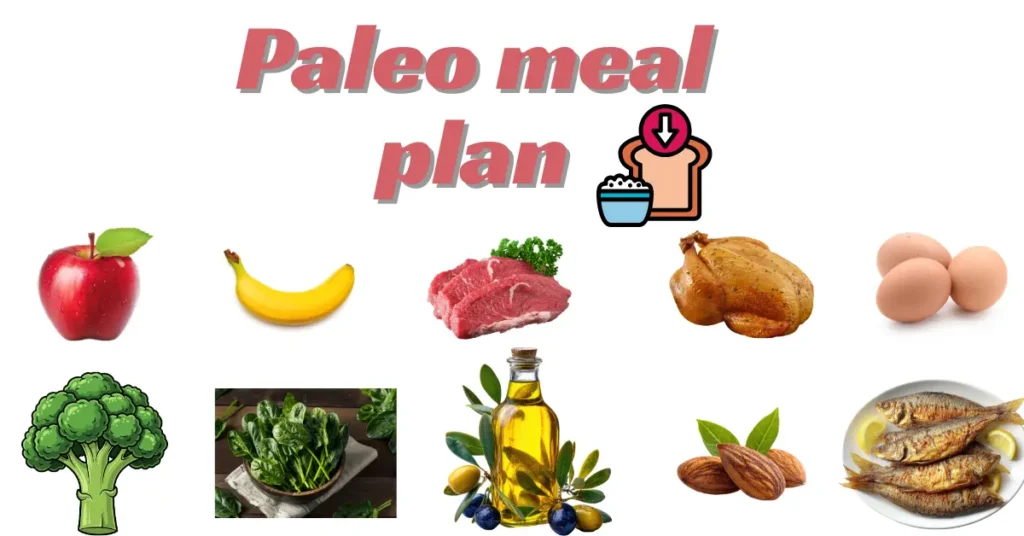
Table 3: 7-Day Paleo Meal Plan
| Day | Breakfast | Morning Snack | Lunch | Afternoon Snack | Dinner |
|---|---|---|---|---|---|
| Monday | Scrambled eggs with spinach and mushrooms, mixed berries | Handful of almonds | Grilled chicken breast with roasted broccoli and sweet potato | Apple with almond butter | Baked salmon with asparagus and cauliflower mash |
| Tuesday | Vegetable omelette with tomatoes, onions, and peppers | Walnuts | Turkey lettuce wraps with avocado and cucumber salad | Carrot sticks with guacamole | Beef stir-fry with broccoli, bell peppers, and zucchini |
| Wednesday | Coconut yoghurt (dairy-free) with berries and chia seeds | Boiled eggs | Grilled shrimp salad with olive oil dressing | Mixed nuts | Herb-roasted chicken with Brussels sprouts and roasted carrots |
| Thursday | Sweet potato hash with eggs and spinach | Fresh orange | Grilled salmon with mixed greens and avocado | Pumpkin seeds | Turkey meatballs with zucchini noodles and tomato sauce |
| Friday | Banana pancakes made with eggs and banana | Apple slices | Chicken salad with walnuts, celery, and olive oil dressing | Mixed berries | Grilled steak with roasted vegetables |
| Saturday | Egg muffins with spinach and peppers | Cashews | Tuna salad stuffed in bell peppers | Cucumber slices with guacamole | Garlic chicken thighs with roasted cauliflower |
| Sunday | Smoked salmon with avocado and tomatoes | Pecans | Beef burger served without a bun, side salad | Fresh fruit | Roast chicken with sweet potato and green beans |
Tip: Drink plenty of water throughout the day. Herbal tea and black coffee also fit into most Paleo lifestyles without added sugar.
Healthy Paleo Snack Ideas
Snacking isn’t mandatory, but it can help if you have a long day or a busy schedule.
Here are some Paleo-friendly options:
- Mixed nuts
- Fresh fruit
- Hard-boiled eggs
- Homemade beef jerky (without added sugar)
- Vegetable sticks with guacamole
- Apple slices with almond butter
- Olives
- Coconut chips
- Roasted pumpkin seeds
- Leftover grilled chicken
Notice a pattern? Most Paleo snacks come straight from nature instead of a colourful package trying a little too hard to convince you it’s healthy.
Paleo Grocery Shopping List
Shopping becomes much easier when you know exactly what belongs in your cart.
Protein
- Chicken breast
- Turkey
- Lean beef
- Salmon
- Tuna
- Shrimp
- Eggs
Vegetables
- Spinach
- Broccoli
- Cauliflower
- Kale
- Bell peppers
- Zucchini
- Carrots
- Cabbage
- Mushrooms
- Sweet potatoes
- Asparagus
- Brussels sprouts
Fruits
- Apples
- Bananas
- Blueberries
- Strawberries
- Oranges
- Grapes
- Pears
Healthy Fats
- Avocados
- Olive oil
- Coconut oil
- Almonds
- Walnuts
- Pecans
- Pumpkin seeds
- Sunflower seeds
Herbs and Spices
- Garlic
- Black pepper
- Paprika
- Turmeric
- Oregano
- Basil
- Rosemary
- Thyme
Meal Prep Tips That Actually Save Time
Let’s be honest. Motivation disappears quickly after a long workday. That’s why meal prep matters.
I always recommend preparing ingredients rather than cooking every meal in advance. This approach gives you flexibility while saving time.
Spend One Hour Each Weekend
Prepare these items:
- Roast a tray of vegetables.
- Boil a dozen eggs.
- Wash and chop salad vegetables.
- Portion nuts into snack containers.
- Cook sweet potatoes in advance.
When healthy food waits in your refrigerator, ordering fast food becomes much less tempting.
Simple Paleo Cooking Tips
You don’t need professional cooking skills.
Focus on simple methods like:
- Baking
- Grilling
- Roasting
- Steaming
- Air frying
- Pan-searing with olive oil
Season generously with herbs and spices instead of sugary sauces.
Common Mistakes Beginners Make
Starting strong feels great, but avoiding these common mistakes makes success much easier.
1. Eating Too Little
Many people remove processed foods but forget to replace those calories with nutritious whole foods.
Make sure every meal includes:
- Protein
- Healthy fat
- Vegetables
2. Ignoring Healthy Fats
Healthy fats keep you satisfied.
Choose:
- Avocados
- Olive oil
- Nuts
- Seeds
- Fatty fish
Skipping healthy fats often leaves people hungry an hour later.
3. Forgetting to Plan Meals
Ever opened the refrigerator hoping dinner would magically appear?
Yeah…that rarely happens.
Planning meals for even three days ahead dramatically improves consistency.
4. Depending on Paleo Packaged Foods
Stores now sell Paleo cookies, Paleo chips, and Paleo desserts.
Can you eat them occasionally?
Sure.
Should they become everyday foods?
Probably not.
Whole foods still provide the greatest nutritional value.
5. Expecting Instant Results
Healthy eating isn’t a magic trick.
Some people notice better energy within days, while others experience gradual improvements over several weeks.
Building sustainable habits matters far more than chasing quick fixes.
Paleo vs. Keto: Which Diet Fits You Better?
Many beginners confuse Paleo and Keto because both reduce processed foods. However, they follow different principles.
Table 4: Paleo vs. Keto Comparison
| Feature | Paleo Diet | Keto Diet |
|---|---|---|
| Main Goal | Whole, natural foods | Ketosis through very low carbohydrate intake |
| Carbohydrates | Moderate from fruits and vegetables | Very low |
| Fruit | Allowed | Limited |
| Sweet Potatoes | Allowed | Usually avoided |
| Dairy | Avoided | Often allowed |
| Processed Foods | Strongly discouraged | Depends on carb content |
| Protein | Moderate to high | Moderate |
| Healthy Fats | Encouraged | Strongly encouraged |
Which One Should You Choose?
Choose Paleo if you:
- Prefer eating natural whole foods.
- Want flexibility with fruits.
- Enjoy vegetables and lean protein.
- Want a long-term eating style.
Choose Keto if you:
- Want to follow a medically supervised ketogenic approach.
- Feel comfortable eating very low carbohydrates.
- Understand the challenges of maintaining ketosis.
From a health-content business perspective, I’ve noticed that beginners often find Paleo easier to maintain because it allows more variety. A diet only works if you can realistically follow it for months—not just until the leftovers disappear.
Frequently Asked Questions
1. Can I lose weight with a Paleo meal plan?
Yes. A paleo meal plan may support weight loss by encouraging whole foods, lean protein, vegetables, fruits, and healthy fats while reducing processed foods and added sugars. Weight loss still depends on your overall calorie intake, physical activity, sleep, and consistency.
2. Can I eat fruit on the Paleo diet?
Absolutely. Most fruits fit well within a Paleo eating pattern because they provide fibre, vitamins, minerals, and antioxidants. Whole fruits make a much better choice than sugary desserts or sweetened beverages.
3. Is a Paleo meal plan healthy for beginners?
For many healthy adults, yes. A paleo meal plan emphasises nutrient-dense foods and reduces ultra-processed products, making it easier to build healthier eating habits. However, people with medical conditions or specific dietary needs should consult a qualified healthcare professional before making significant dietary changes.
Final Thoughts
Choosing a paleo meal plan doesn’t mean chasing perfection or giving up every favourite food forever. It means filling your plate with real, nourishing ingredients that help you feel satisfied and energised. When you focus on lean proteins, colourful vegetables, fruits, healthy fats, and simple home-cooked meals, healthy eating becomes much less complicated.
Start with one or two small changes this week. Replace a processed breakfast with eggs and fruit, prepare lunches ahead of time, or stock your kitchen with fresh ingredients. Those small wins add up over time.