

Introduction
If you’ve ever felt bloated, uncomfortable, and strangely sick to your stomach, you may have asked yourself: Can constipation cause nausea? The short answer is yes, it absolutely can.
Many people think constipation only affects bowel movements, but the digestive system works as one connected network. When stool stays in the colon longer than it should, it can create pressure, slow digestion, and even trigger feelings of nausea. FYI, your body doesn’t enjoy holding onto waste any more than you do.
As someone who regularly researches digestive health topics, I’ve noticed that people often ignore constipation until it starts causing other symptoms. Nausea is one of the most common yet overlooked signs that your digestive system needs attention.
Can Constipation Cause Nausea?
The answer is yes, constipation can cause nausea.
Constipation occurs when stool moves too slowly through the large intestine. As waste accumulates, the colon stretches and becomes filled with stool. This buildup can slow the movement of food through the digestive tract and create pressure in the abdomen.
As a result, you may experience:
- Nausea
- Bloating
- Stomach discomfort
- Loss of appetite
- Abdominal cramping
- Feeling unusually full
Think of your digestive system as a highway. When traffic backs up at one point, everything behind it slows down too. Your stomach and intestines work in coordination, so constipation can affect the entire digestive process.
How Constipation Leads to Nausea
Delayed Stomach Emptying
When stool accumulates in the colon, the digestive system may slow down overall. Food remains in the stomach longer, which can trigger feelings of nausea.
Increased Abdominal Pressure
A backed-up colon creates pressure inside the abdomen. This pressure can affect nearby digestive organs and contribute to stomach discomfort and nausea.
Bacterial Fermentation
Stool that remains in the colon for extended periods can undergo increased bacterial fermentation. This process produces gas and bloating, which may worsen nausea.
Severe Faecal Impaction
In serious cases, hardened stool can block the intestine. This condition, known as faecal impaction, often causes:
- Severe nausea
- Vomiting
- Abdominal pain
- Inability to pass stool
This situation requires immediate medical attention.
Common Symptoms That Occur Alongside Constipation and Nausea
Many people experiencing constipation-related nausea notice additional symptoms.
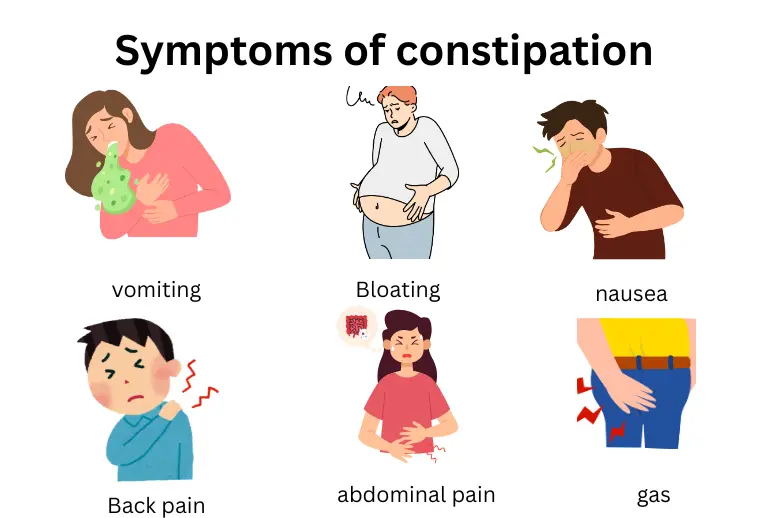
Digestive Symptoms
| Symptom | Description |
|---|---|
| Bloating | Feeling of fullness or swelling in the abdomen |
| Abdominal Pain | Cramping or discomfort |
| Gas | Increased flatulence and pressure |
| Loss of Appetite | Reduced desire to eat |
| Vomiting | May occur in severe constipation cases |
Bowel Symptoms
| Symptom | Description |
| Hard Stools | Dry and difficult-to-pass stool |
| Infrequent Bowel Movements | Fewer than three per week |
| Straining | Difficulty passing stool |
| Feeling Incomplete | Sensation that the bowel is not fully emptied |
Ever notice how your stomach feels “off” when you’re constipated? That’s because your digestive tract functions as one continuous system rather than separate parts.
Scientific Explanation: What Research Shows
Research supports the connection between constipation and nausea.
The digestive tract contains a complex network of nerves known as the enteric nervous system, sometimes called the “second brain.” This system helps regulate digestion, bowel movements, and communication between the gut and brain.
When constipation develops:
- Waste remains in the colon longer.
- The colon stretches.
- Nerve signals change.
- Digestive movement slows.
- Nausea may occur.
Scientists also recognise that severe constipation can contribute to delayed gastric emptying, a condition where food moves more slowly from the stomach into the small intestine.
This explains why some people feel both constipated and nauseous at the same time.
Risk Factors That Increase Constipation-Related Nausea
Certain factors make constipation more likely and can increase the chance of developing nausea.
Poor Hydration
Water helps soften stool. Without enough fluids, stool becomes harder to pass.
Low-Fibre Diet
Fibre adds bulk to stool and helps it move through the digestive tract.
Common low-fibre foods include:
- Fast food
- Processed snacks
- Sugary desserts
- White bread
Lack of Physical Activity
Exercise stimulates intestinal movement. A sedentary lifestyle often contributes to constipation.
Certain Medications
Several medications may cause constipation:
| Medication Type | Potential Effect |
| Opioid Pain Relievers | Significant constipation |
| Antidepressants | Reduced bowel motility |
| Iron Supplements | Hard stools |
| Antacids with Calcium | Slower digestion |
Medical Conditions
Certain conditions can increase the risk:
- Irritable bowel syndrome (IBS)
- Hypothyroidism
- Diabetes
- Parkinson’s disease
- Neurological disorders
How to Relieve Constipation and Nausea
The good news? In many cases, treating constipation also improves nausea.
Increase Water Intake
Aim for adequate daily hydration.
Water helps:
- Soften stool
- Improve bowel movement frequency
- Reduce digestive discomfort
Eat More Fibre
Fibre-rich foods include:
- Apples
- Pears
- Oatmeal
- Beans
- Lentils
- Broccoli
- Chia seeds
Gradually increase fibre intake to avoid excess gas.
Stay Active
Even a 20–30 minute walk can encourage bowel movement activity.
Your intestines appreciate movement almost as much as your fitness tracker does.
Consider Over-the-Counter Remedies
Some options include:
- Fiber supplements
- Stool softeners
- Osmotic laxatives
Always follow package directions and consult a healthcare provider if symptoms persist.
Establish a Bathroom Routine
Try to use the bathroom at the same time each day.
Consistency helps train the digestive system and supports regular bowel habits.
Foods That May Help Relieve Constipation
Best Foods for Digestive Health
| Food | Benefit |
| Prunes | Natural laxative effect |
| Kiwi | Supports bowel regularity |
| Oats | Excellent fibre source |
| Beans | Excellent fiber source |
| Spinach | Supports digestive movement |
| Chia Seeds | Absorb water and soften stool |
Foods to Limit
| Food | Why Limit It |
| Fast Food | Often contributes to constipation |
| Processed Snacks | Typically low in fibre |
| Excess Cheese | May slow digestion in some people |
| Sugary Desserts | Typically low in fiber |
7-Day Diet Plan to Help Relieve Constipation
The goal is simple: increase fibre, drink enough water, and include foods that support healthy digestion. While no single meal works like magic, a consistent eating plan can help restore regular bowel movements.
Important: Drink at least 8–10 glasses of water daily while following this plan. Fibre works best when paired with adequate hydration. So take 1tbsp ispaghol husk in 1 glass of water before every meal.
Day 1
| Meal | Foods |
|---|---|
| Breakfast | Oatmeal topped with chia seeds and sliced banana |
| Snack | Apple with skin |
| Lunch | Lentil soup with whole-grain chapati |
| Snack | Handful of almonds |
| Dinner | Grilled chicken, brown rice, and steamed broccoli |
Fibre Focus: Oats and chia seeds provide soluble fibre that helps soften stool.
Day 2
| Meal | Foods |
|---|---|
| Breakfast | Whole-grain toast with avocado and a boiled egg |
| Snack | Pear |
| Lunch | Mixed bean salad with vegetables |
| Snack | Yogurt with flaxseeds |
| Dinner | Baked salmon with quinoa and spinach |
Fibre Focus: Pears contain natural fibre and sorbitol, which may support bowel movements.
Day 3
| Meal | Foods |
|---|---|
| Breakfast | Smoothie with spinach, banana, kiwi, and chia seeds |
| Snack | Handful of walnuts |
| Lunch | Vegetable soup and whole-grain crackers |
| Snack | Orange |
| Dinner | Turkey stir-fry with Chapati and vegetables |
Fibre Focus: Kiwi has shown positive effects on bowel regularity in several studies.
Day 4
| Meal | Foods |
|---|---|
| Breakfast | Greek yogurt with berries and oats |
| Snack | Prunes |
| Lunch | Chickpea salad with cucumbers and tomatoes |
| Snack | Apple |
| Dinner | Grilled fish with sweet potato and green beans |
Fibre Focus: Prunes contain fibre and natural compounds that can stimulate bowel activity.
Day 5
| Meal | Foods |
|---|---|
| Breakfast | Whole-grain cereal with milk and sliced strawberries |
| Snack | Pear |
| Lunch | Black bean wrap with vegetables |
| Snack | Handful of pumpkin seeds |
| Dinner | Chicken breast with quinoa and roasted vegetables |
Fiber Focus: Beans are among the most effective foods for increasing daily fibre intake.
Day 6
| Meal | Foods |
|---|---|
| Breakfast | Oatmeal with raisins and flaxseeds |
| Snack | Kiwi |
| Lunch | Lentil curry with brown rice |
| Snack | Carrot sticks and hummus |
| Dinner | Grilled shrimp with mixed vegetables |
Fibre Focus: Flaxseeds absorb water and help make stool easier to pass.
Day 7
| Meal | Foods |
|---|---|
| Breakfast | Smoothie with spinach, banana, kiwi, and chia seeds |
| Snack | Prunes |
| Lunch | Vegetable and bean soup |
| Snack | Mixed berries |
| Dinner | Baked chicken, steamed broccoli, and sweet potato |
Fibre Focus: In severe constipation, you can take a tbsp of castor oil in 1 glass of milk for effective results.
When Should You See a Doctor?
While occasional constipation and nausea often improve with lifestyle changes, some symptoms require medical evaluation.
Seek medical attention if you experience:
- Severe abdominal pain
- Persistent vomiting
- Blood in stool
- Unexplained weight loss
- Constipation lasting more than three weeks
- Inability to pass gas or stool
These symptoms may indicate a more serious underlying condition.
Can Constipation Cause Nausea in Children?
Yes, children can also experience nausea from constipation.
Children often develop constipation due to:
- Low fluid intake
- Dietary changes
- Toilet training challenges
- Avoiding bowel movements
Parents may notice:
- Reduced appetite
- Stomach pain
- Irritability
- Nausea
A paediatrician can help determine the best treatment approach if symptoms continue.
Frequently Asked Questions
Can constipation cause nausea every day?
Yes. Chronic constipation can lead to ongoing nausea, especially if stool remains backed up for extended periods. Treating the underlying constipation usually helps reduce symptoms.
Can constipation cause vomiting?
Yes. Severe constipation or faecal impaction can lead to vomiting. This symptom may indicate a significant blockage and requires medical evaluation.
How long does nausea from constipation last?
Nausea often improves once bowel movements return to normal. The duration varies depending on the severity of the constipation and the treatment used.
Conclusion
So, can constipation cause nausea? Absolutely. When stool builds up in the colon, it can slow digestion, increase abdominal pressure, and trigger nausea. The connection may seem surprising at first, but the science behind it is well established.
The good news is that most cases improve with simple lifestyle changes such as increasing fibre intake, drinking more water, staying active, and maintaining regular bathroom habits. If symptoms become severe or persistent, seek medical advice to rule out underlying conditions.