
Introduction
Have you ever looked in the mirror and wondered why your face seems fuller than the rest of your body? You’re definitely not alone. Many people search for how to lose fat in your face because facial fullness can sometimes make you appear heavier than you actually are.
As someone who has worked in the health and fitness content industry for years, I’ve seen countless people chase miracle face-slimming tricks. Spoiler alert: most of them don’t work. If a cream could magically melt face fat overnight, we’d all have model-like jawlines by now.
The good news? There are practical and science-based ways to reduce facial fat.
Understanding Face Fat: Why Does It Happen?
Before learning how to lose fat in your face, it helps to understand why facial fat develops in the first place.
Several factors influence facial fullness:
- Overall body fat percentage
- Genetics
- Water retention
- Poor diet
- Lack of sleep
- High sodium intake
- Aging
- Hormonal changes
Some people naturally store more fat in their cheeks and jawline.
Face Fat vs Water Retention
Many people confuse facial fat with puffiness.
| Feature | Face Fat | Water Retention |
|---|---|---|
| Develops gradually | Yes | No |
| Changes daily | Rarely | Often |
| Caused by body fat | Yes | No |
| Triggered by sodium | Sometimes | Often |
| Improves quickly | No | Yes |
Knowing the difference helps you choose the right solution.
Can You Target Fat Loss in Your Face?
This is probably the most common question people ask.
The short answer is no.
Your body doesn’t allow you to choose where fat comes off first. When you lose weight overall, your body decides where it burns fat.
The Truth About Spot Reduction
Research consistently shows that spot reduction doesn’t work.
That means:
- Face exercises alone won’t burn face fat.
- Jawline gadgets won’t melt cheek fat.
- Face creams won’t reduce fat cells.
Instead, the most effective way to learn how to lose fat in your face is by reducing your overall body fat percentage.
Ever wondered why some people suddenly look completely different after losing just 10–15 pounds? Their facial features become more visible because body fat decreases throughout the body.
Bio and Profile of a Typical Person Looking to Lose Face Fat
| Profile Detail | Information |
| Age Range | 18–45 years |
| Primary Concern | Fuller cheeks, double chin, puffy face |
| Main Goal | Defined jawline and slimmer facial appearance |
| Common Lifestyle Habits | Sedentary work, irregular sleep, processed foods |
| Typical Challenges | Overall, fat loss and healthy lifestyle changes |
| Best Solution | 4–12 weeks, depending on body composition |
| Expected Timeline | 4–12 weeks depending on body composition |
Create a Calorie Deficit
The most effective strategy for how to lose fat in your face starts with a calorie deficit.
A calorie deficit occurs when you burn more calories than you consume.
Simple Ways to Create a Calorie Deficit
- Reduce sugary drinks
- Limit processed snacks
- Control portion sizes
- Reduce fat and carbs in your diet
- Eat more protein
- Increase physical activity
Even a modest calorie deficit can produce noticeable facial changes over time.
Focus on a High-Protein Diet
Protein helps preserve muscle while supporting fat loss.
Why Protein Matters
Protein can:
- Increase fullness
- Reduce cravings
- Support metabolism
- Preserve lean muscle mass
Good protein sources include:
- Eggs
- Chicken breast
- Fish
- Greek yogurt
- Cottage cheese
- Lentils
- Beans
IMO, protein is one of the most underrated tools for fat loss.
Reduce Sodium Intake to Minimise Facial Puffiness
Sometimes people don’t actually need to lose face fat.
They simply need to reduce facial bloating.
Foods High in Sodium
| Food | Sodium Level |
| Fast food burgers | Very High |
| Chips | High |
| Instant noodles | Very High |
| Processed meats | High |
| Frozen meals | High |
Foods That Help Reduce Facial Puffiness
Some foods naturally help reduce water retention and bloating:
| Food | Benefit |
|---|---|
| Cucumber | High water content |
| Watermelon | Supports hydration |
| Leafy greens | Rich in potassium |
| Berries | Low in calories and high in antioxidants |
| Greek yogurt | High in protein |
| Salmon | Contains healthy fats |
Reducing sodium often creates visible improvements within a few days.
That’s one reason people suddenly wake up looking leaner after cleaning up their diet.
Drink More Water
Sounds boring, right?
Yet hydration remains one of the simplest ways to improve facial appearance.
Benefits of Staying Hydrated
- Reduces water retention
- Supports metabolism
- Improves skin health
- Helps control appetite
Aim for 2–3 litres daily depending on activity level.
Your body holds onto water when it thinks dehydration might occur. Strange but true.
Exercise Regularly for Overall Fat Loss
If you truly want to master how to lose fat in your face, regular exercise should become part of your routine.
Best Cardio Options
- Walking
- Running
- Cycling
- Swimming
- Rowing
- Jump rope
Recommended Weekly Activity
| Activity Type | Weekly Target |
| Cardio | 150–300 minutes |
| Strength Training | 2–4 sessions |
| Walking | 8,000–10,000 steps daily |
Consistency beats intensity every single time.
Strength Training Helps Reveal Facial Definition
Many people focus only on cardio.
That’s a mistake.
Strength training builds muscle and improves overall body composition.
Benefits of Strength Training
- Increases calorie burn
- Supports long-term fat loss
- Improves posture
- Enhances overall appearance
A lean body often creates a leaner-looking face.
Get Better Sleep
Want a surprisingly powerful solution for how to lose fat in your face?
Sleep more.
How Poor Sleep Affects Your Face
Lack of sleep can:
- Increase hunger hormones
- Promote weight gain
- Cause puffiness
- Increase cortisol levels
Aim for 7–9 hours every night.
FYI, many people spend hundreds on skincare while ignoring sleep completely. That’s like washing your car while leaving the engine broken.
Limit Alcohol Consumption
Alcohol often contributes to facial bloating.
Why Alcohol Makes Your Face Look Fuller
Alcohol:
- Causes dehydration
- Promotes water retention
- Increases calorie intake
- Disrupts sleep quality
Reducing alcohol consumption can create visible changes surprisingly quickly.
How to Lose Fat on Your Chin, Neck, and Cheeks
Many people notice extra fat around the chin, neck, and cheeks before they notice it anywhere else. While you can’t specifically target fat loss in one area, reducing your overall body fat can make a huge difference in your facial appearance.
The good news is that even a small amount of weight loss often creates noticeable changes in your face. As your body fat percentage decreases, your jawline becomes more visible, your cheeks look less full, and a double chin may start to shrink.
Why Fat Builds Up Around the Chin and Neck
Several factors can contribute to extra fat in these areas:
- Excess body fat
- Genetics
- Ageing and loss of skin elasticity
- Poor posture
- High sodium intake
- Water retention
Some people naturally store more fat under the chin and around the cheeks. That doesn’t mean you’re stuck with it forever. Consistent healthy habits can gradually improve facial definition.
Best Exercises for a Slimmer Chin and Jawline
Facial exercises won’t directly burn fat, but they may strengthen the muscles around your face and neck, creating a firmer appearance.
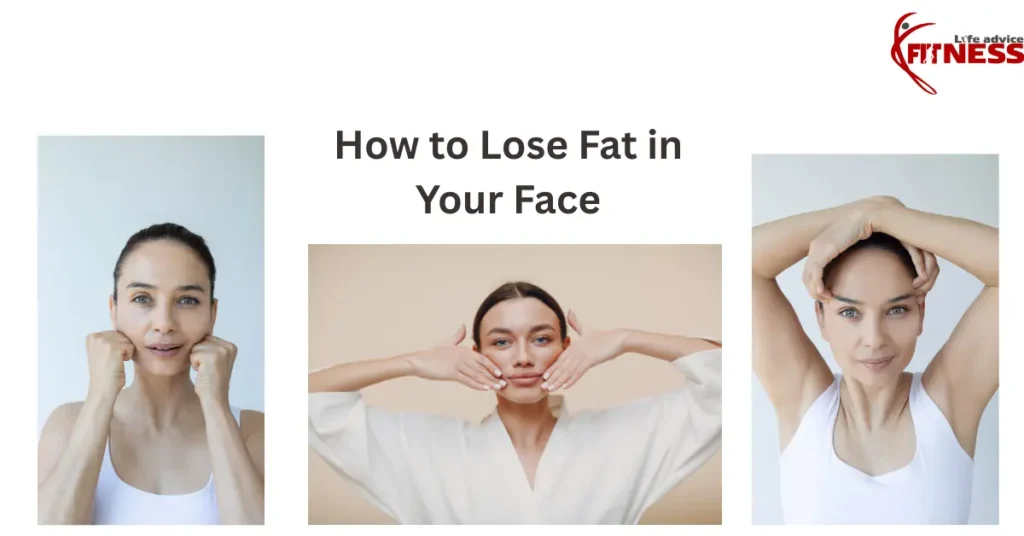
Chin Lifts
This exercise targets the muscles under your chin and neck.
How to do it:
- Stand or sit with your back straight.
- Tilt your head back and look toward the ceiling.
- Pucker your lips as if you’re trying to kiss the ceiling.
- Hold for 5–10 seconds.
- Repeat 10–15 times.
Neck Stretch Exercise
This movement helps strengthen neck muscles and improve posture.
How to do it:
- Sit comfortably.
- Slowly tilt your head backwards.
- Press your tongue against the roof of your mouth.
- Hold for 5 seconds.
- Repeat 10 times.
Jaw Release Exercise
This exercise works the muscles around the jaw and cheeks.
How to do it:
- Sit upright.
- Move your jaw as if you’re chewing gum.
- Keep your lips closed.
- Slowly open and close your mouth.
- Repeat for 30 seconds.
Cheek Lift Exercise
This simple exercise may help tone cheek muscles.
How to do it:
- Smile as widely as possible.
- Place your fingers lightly on the top of your cheeks.
- Lift your cheeks toward your eyes.
- Hold for 5 seconds.
- Repeat 15 times.
Tongue Press Exercise for Double Chin
Many fitness experts recommend this exercise for strengthening muscles beneath the chin.
How to do it:
- Sit with good posture.
- Press your tongue firmly against the roof of your mouth.
- Tilt your head slightly back.
- Hold for 5–10 seconds.
- Repeat 10–15 times.
Lifestyle Habits That Help Reduce Face Fat
Along with exercise, these habits can make a noticeable difference:
- Drink at least 8–10 glasses of water daily.
- Reduce sugary drinks and processed foods.
- Limit salty snacks that cause facial bloating.
- Get 7–9 hours of sleep every night.
- Walk at least 8,000–10,000 steps daily.
- Include strength training 3–4 times per week.
Facial Exercises: Do They Work?
Many videos promise dramatic face transformations.
The reality is more nuanced.
Potential Benefits
Facial exercises may:
- Strengthen facial muscles
- Improve muscle tone
- Enhance circulation
Limitations
Facial exercises cannot:
- Directly burn face fat
- Replace overall weight loss
- Create overnight results
Use them as a supplement, not a primary strategy.
Best Foods to Eat for a Leaner Face
Nutrition plays a huge role in reducing facial puffiness and supporting fat loss.
Face-Friendly Foods
| Food Category | Examples |
| Lean Protein | Chicken, fish, eggs |
| Fruits | Apples, berries, oranges |
| Vegetables | Spinach, broccoli, and cucumber |
| Healthy Fats | Avocados, nuts, olive oil |
| Whole Grains | Oats, brown rice, quinoa |
These foods support both weight loss and overall health.
Common Mistakes People Make
Chasing Quick Fixes
Many people look for shortcuts instead of sustainable habits.
Ignoring Overall Weight Loss
You can’t selectively remove fat from your cheeks.
Consuming Too Much Sodium
Excess sodium often creates facial puffiness.
Skipping Sleep
Poor sleep sabotages weight-loss efforts.
Inconsistent Habits
Results come from daily actions, not occasional bursts of motivation.
How Long Does It Take to Lose Face Fat?
This depends on:
- Starting body fat percentage
- Genetics
- Diet quality
- Exercise routine
- Consistency
Many people notice reduced facial puffiness within 1–2 weeks.
More significant facial fat reduction usually appears within 4–12 weeks of consistent fat loss.
Patience matters.
Your face won’t transform overnight, but it absolutely can change over time.
Sample Daily Plan for Face Fat Reduction
Morning
- Drink water
- Eat a protein-rich breakfast
- Take a 20-minute walk
Afternoon
- Eat lean protein and vegetables
- Stay hydrated
- Avoid sugary snacks
Evening
- Strength training or cardio
- Healthy dinner
- Limit sodium intake
Night
- Avoid alcohol
- Sleep 7–9 hours
Frequently Asked Questions
1. Can facial exercises help reduce face fat?
Facial exercises may strengthen muscles and improve facial tone, but they do not directly burn fat. Overall, fat loss remains the most effective approach.
2. What causes a double chin?
A double chin can result from excess body fat, genetics, ageing, poor posture, or loose skin.
3. How fast can I lose fat in my face?
Some people notice less puffiness within days, while meaningful fat loss usually takes several weeks of consistent healthy habits.
Conclusion
Learning how to lose fat in your face doesn’t require expensive gadgets, miracle creams, or viral social media hacks. The real solution involves reducing overall body fat, eating a nutritious diet, staying hydrated, exercising regularly, and getting quality sleep.
A sharper jawline and slimmer face may not appear overnight, but they can absolutely happen with patience and smart lifestyle choices.