
Introduction
If you’re trying to eat healthier, lose weight naturally, improve energy levels, or simply feel better, learning the list of whole food diet foods is one of the smartest ways to start.
Many people today rely heavily on packaged meals, sugary snacks, and ultra-processed foods because they’re convenient. Unfortunately, these foods often contain added sugars, refined grains, unhealthy fats, and ingredients that do little to support long-term health.
As a dietitian, I give you a complete guide of fresh fruits, vegetables, whole grains, beans, nuts, seeds, eggs, fish, and minimally processed dairy products.
What Is a Whole Food Diet?
A whole food diet focuses on foods that are minimally processed and contain few or no added ingredients.
The goal is:
Eat foods that look similar to how they appeared in nature.
Examples include:
- Apples instead of apple-flavoured snacks
- Oatmeal instead of sugary cereal
- Potatoes instead of fries
- Chicken breast instead of processed chicken nuggets
This eating pattern does not require perfection. You do not need to eliminate every packaged product from your kitchen. Instead, the goal is to make whole foods the basis of your diet.
What Counts as a Whole Food?
Whole foods generally have:
- Minimal processing
- No artificial ingredients
- No added sugars
- Few preservatives
- Natural nutrients still intact
Examples are:
- Fresh fruits
- Vegetables
- Eggs
- Lentils
- Oats
- Brown rice
- Nuts
- Fish
- Plain yogurt
What Foods Are Not Considered Whole Foods?
Ultra-processed foods are usually included as.
Examples include:
- Soda
- Candy
- Packaged desserts
- Instant noodles
- Processed meats
- Sugary cereals
- Fast food meals
- Energy drinks
Why Are More People Choosing Whole Foods?
Health-conscious individuals are increasingly moving toward whole foods because they provide better nutrition with fewer unnecessary ingredients.
Compared with highly processed foods, whole foods usually contain:
- More fiber
- More vitamins and minerals
- More antioxidants
- Less added sugar
- Less sodium
- Fewer unhealthy fats
Whole Foods, which are closer to nature, help in:
- According to research in “The Thrive Diet“, a whole food diet helps in controlling energy levels
- An article published in July 2010 shows that a whole food diet helps in gut health and Digestion
- Weight management: Research shows that a whole food, plant-based diet achieves greater weight loss compared with other dietary interventions that do not restrict calories or mandate exercise.
- Hunger control
- Sleep quality
Complete List of Whole Food Diet Foods
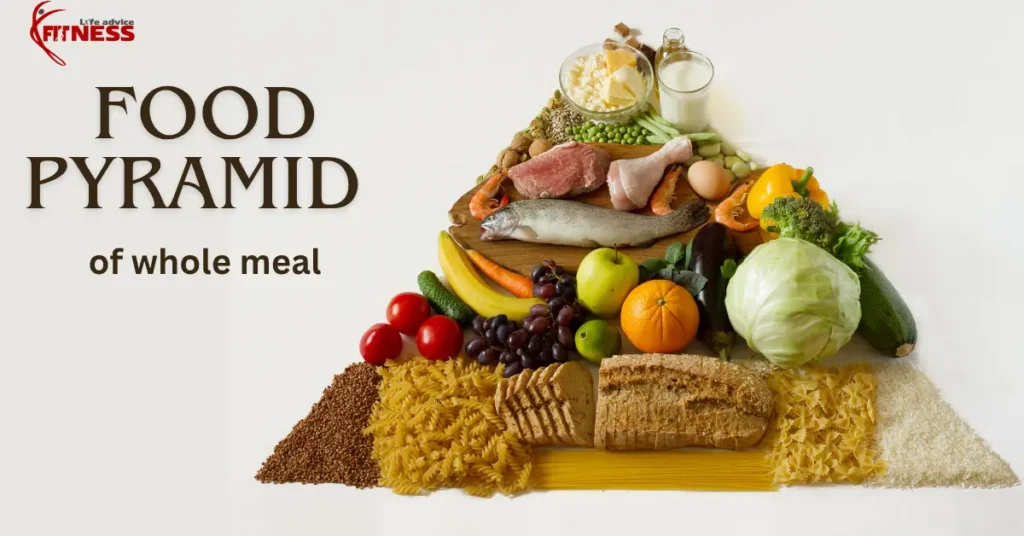
Fruits
Fruits provide vitamins, antioxidants, water, and fibre.
Best Fruits to Include
- Apples
- Bananas
- Oranges
- Berries
- Mangoes
- Pears
- Peaches
- Cherries
- Kiwi
- Grapefruit
- Pomegranate
- Papaya
- Watermelon
Fresh and frozen fruits without added sugar are both excellent options.
Vegetables
Vegetables are one of the most nutrient-dense foods.
Best Vegetables for a Whole Food Diet
- Spinach
- Broccoli
- Carrots
- Bell peppers
- Tomatoes
- Cucumbers
- Mushrooms
- Cabbage
- Cauliflower
- Zucchini
- Green beans
- Sweet potatoes
- Eggplant
- Pumpkin
Aim to eat multiple colours throughout the week because different colours provide different nutrients.
Whole Grains
Whole grains contain all parts of the grain and provide more nutrients than refined grains.
Examples of Whole Grains
- Oats
- Brown rice
- Quinoa
- Whole wheat
- Barley
- Millet
- Buckwheat
- Farro
- Whole grain bread
Protein Foods
Protein supports muscles, hormones, immune health, and satiety.
Animal-Based Proteins
- Eggs
- Chicken
- Turkey
- Fish
- Seafood
- Plain Greek yoghurt
- Cottage cheese
Plant-Based Proteins
- Lentils
- Chickpeas
- Black beans
- Kidney beans
- Tofu
- Tempeh
- Edamame
Healthy Fats
Healthy fats support brain health, hormones, and heart health.
Best Whole Food Fat Sources
- Avocados
- Olive oil
- Almonds
- Walnuts
- Pistachios
- Cashews
- Chia seeds
- Flaxseeds
- Pumpkin seeds
Dairy and Dairy Alternatives
Choose minimally processed options whenever possible.
Examples include:
- Milk
- Plain yogurt
- Kefir
- Cottage cheese
- Unsweetened soy milk
Herbs and Spices
Herbs and spices improve flavour without adding calories or sugar.
Examples include:
- Garlic
- Ginger
- Cinnamon
- Turmeric
- Basil
- Oregano
- Rosemary
- Black pepper
Health Benefits of a Whole Food Diet
Supports Healthy Weight Management
Whole foods are naturally filling because they contain more fibre and protein.
This helps reduce overeating without needing to count calories obsessively.
Improves Heart Health
Research consistently shows diets rich in fruits, vegetables, nuts, legumes, and fish reduce cardiovascular risk factors.
These foods may help improve:
- Blood pressure
- Cholesterol levels
- Inflammation
Better Blood Sugar Control
Whole foods digest more slowly than refined carbohydrates, helping reduce sudden blood sugar spikes.
This is especially important for individuals with prediabetes or type 2 diabetes.
Supports Gut Health
Dietary fibre feeds beneficial bacteria in the gut.
A healthier gut microbiome may support:
- Digestion
- Immunity
- Mental health
- Metabolism
Reduces Chronic Inflammation
Many whole foods contain antioxidants that help protect cells from damage and reduce inflammation.
Table 2: Nutritional Comparison
| Food | Fiber | Protein | Added Sugar | Satiety |
| Apple | High | Low | None | High |
| Apple juice | Very low | Very low | Often added | Low |
| Oatmeal | High | Moderate | None | High |
| Sugary cereal | Low | Low | High | Low |
| Brown rice | Moderate | Moderate | None | Moderate |
| White bread | Low | Low | Often added | Low |
Scientific Evidence Supporting Whole Foods
Research from major health organisations strongly supports eating whole foods.
The Mediterranean diet, one of the world’s most studied dietary patterns, emphasises:
- Fruits
- Vegetables
- Legumes
- Whole grains
- Nuts
- Olive oil
Studies show these dietary patterns are associated with lower risks of:
- Heart disease
- Type 2 diabetes
- Obesity
- Stroke
- Certain cancers
The World Health Organisation and many national dietary guidelines recommend prioritising minimally processed foods over ultra-processed products.
Common Symptoms Linked to Highly Processed Diets
While symptoms can have many causes, diets high in processed foods are commonly associated with:
- Low energy
- Constipation
- Blood sugar crashes
- Frequent hunger
- Digestive discomfort
- Weight gain
Table 3: Symptoms and Potential Dietary Causes
| Symptom | Possible Dietary Cause |
| Fatigue | Excess added sugar |
| Constipation | Low fibre intake |
| Cravings | Highly processed foods |
| Bloating | Low fruit and vegetable intake |
| Frequent hunger | Low protein intake |
7-Day Whole Food Meal Plan
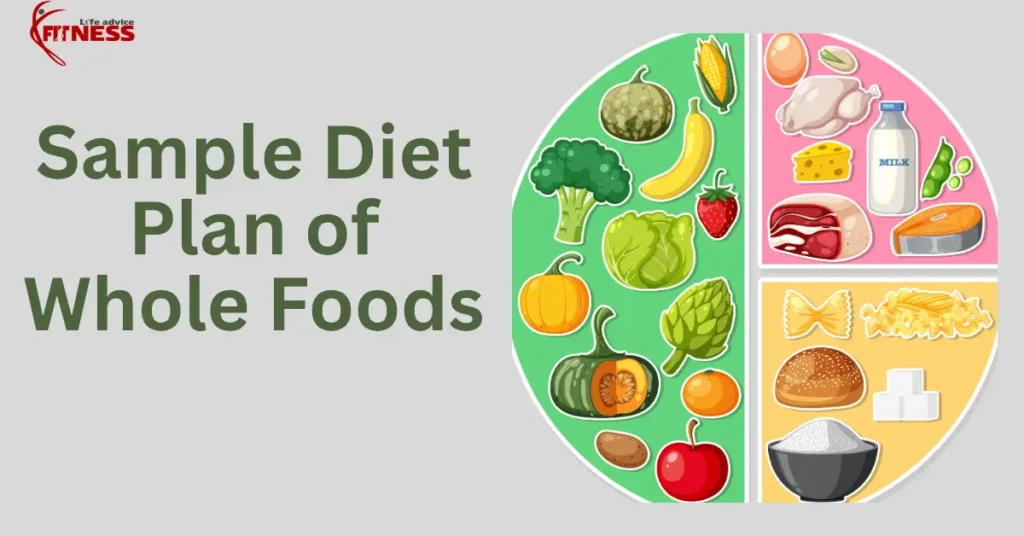
Table 4: Sample Meal Plan
| Meal | Food | Portion |
| Breakfast | Oatmeal with berries and walnuts | 1 bowl |
| Snack | Apple with peanut butter | 1 medium apple |
| Lunch | Chicken, brown rice, vegetables | 1 plate |
| Snack | Boiled egg sandwich with cucumber | 1 cup |
| Dinner | Salmon with broccoli and sweet potato | 1 serving |
Approximate calories: 1800-2200 calories daily depending on age, activity level, and goals.
Meal Timing Suggestions
- Breakfast within 1-2 hours of waking.
- Eat every 3-5 hours.
- Include protein at every meal.
- Avoid long periods without eating if you are prone to overeating later.
Healthy Snack Ideas
- Nuts
- Greek yogurt
- Fruit
- Hummus and vegetables
- Cottage cheese
- Boiled eggs
Hydration Recommendations
- Women: 2-2.7 litres daily
- Men: 2.5-3.7 litres daily
- Increase intake during exercise or hot weather.
Dietitian’s Recommendations
Start Small
Trying to change everything overnight often leads to frustration.
Instead:
- Add vegetables to lunch.
- Replace soda with water.
- Choose oatmeal over sugary cereal.
Small changes become habits.
Prioritize Protein
Protein helps support muscle mass and fullness.
Include protein sources at every meal.
Fill Half Your Plate with Vegetables
This simple strategy automatically improves nutrient intake. And reduce the portion size. Do not skip meals.
Shop the Perimeter of the Grocery Store
Fresh produce, dairy, meat, and seafood are usually located around the outside aisles.
Add fibre
To feel full, add fibre before every meal.
Common Mistakes People Make
- Trying to eat perfectly.
- Removing all carbohydrates.
- Forgetting protein intake.
- Avoiding healthy fats.
- Buying too much fresh produce.
- Not planning meals.
Myth vs Fact
| Myth | Fact |
| Whole food diets are expensive | Beans and oats are affordable |
| You need organic food | Conventional produce still offers benefits |
| Carbohydrates are unhealthy | Whole grains support health |
| Packaged foods are always bad | Minimal processing can still be nutritious |
Expert Tips for Long-Term Success
- Read ingredient labels.
- Keep healthy snacks available.
- Plan meals before shopping.
- Cook extra portions for leftovers.
- Focus on progress instead of perfection.
FAQs
What is the best list of whole food diet foods for beginners?
Start with fruits, vegetables, oats, eggs, beans, yoghurt, nuts, and fish.
Can a whole food diet help with weight loss?
Yes. Many people naturally reduce calorie intake because whole foods are more filling and nutrient-dense.
Are frozen fruits and vegetables considered whole foods?
Yes. Frozen produce without added sugar or sauces remains highly nutritious.
Do I need to avoid all processed foods?
No. Foods such as frozen vegetables, plain yoghurt, and canned beans can still fit within a whole food eating pattern.
Conclusion
The list of whole food diet foods is simpler than most people expect.
Fill your plate with fruits, vegetables, whole grains, lean proteins, legumes, nuts, seeds, and healthy fats. Limit heavily processed foods whenever possible and focus on consistency rather than perfection.
A whole food diet is not a short-term challenge. It is a sustainable way of eating that supports energy, digestion, heart health, weight management, and overall well-being for years to come.
The healthiest diet is not the one you follow perfectly for two weeks. It is the one you can enjoy and maintain for life.